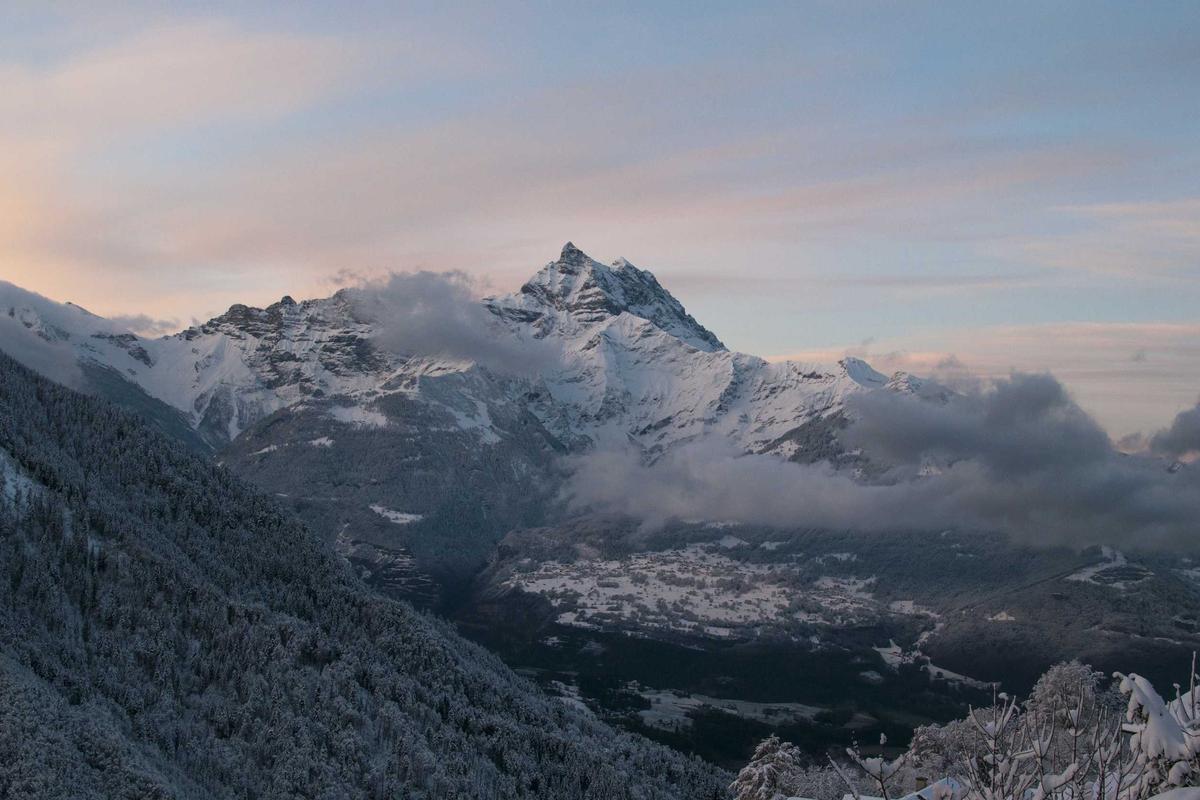
The mercury climbed to 47.1°C in the German village of Duisburg yesterday, a reading that has shattered the previous national record by 1.2°C and sent shockwaves through a continent already reeling from a summer of unprecedented mortality. This is not a weather event. This is a structural collapse of the climatic envelope in which our civilisation developed, measured in parts per million of carbon dioxide and tonnes of ice melt per second.
The German weather service, DWD, confirmed the reading after cross-checking instrumentation at the station, which has been in continuous operation since 1891. The previous record, set in July 2019, stood at 45.9°C. That record itself was considered extreme. The new figure represents a jump that climate modellers had not expected for another decade under the most aggressive emissions scenarios. The heatwave gripping Europe has now claimed over 4,000 lives across Spain, Portugal, France, and Italy, with the elderly and those with pre-existing respiratory conditions bearing the brunt. The excess mortality figures from the European Union's statistical office are stark: June and July combined saw 42% more deaths than the five-year average for those months.
The United Kingdom, still reeling from its own record-breaking 40.3°C in July, has issued a stark warning about energy security. The National Grid has activated contingency measures, including the reactivation of two coal-fired power plants that were slated for decommissioning. The reason is simple: renewable generation has fallen short. Wind speeds across the North Sea have been anomalously low for three consecutive weeks, and river flows in France and Germany have dropped to levels that restrict hydroelectric output and impede the cooling of nuclear reactors. The UK's Energy Secretary, Grant Shapps, stated that the country faces a “significant risk of supply shortfalls” if the heatwave persists into August, as forecast models suggest.
The physics here is unforgiving. Each degree of warming increases the atmosphere's capacity to hold water vapour by about 7%. That means more intense rainfall events when conditions are right, but also faster evaporation and drier soils when they are not. The current heatwave is being driven by a stationary high-pressure system, colloquially called a “heat dome,” that parks over the continent and acts as a lid on convection. This is not a new phenomenon, but its intensity and duration are now amplified by a warmer background state. The heat content of the top 2,000 metres of the ocean has been increasing unabated since the 1980s, and that energy is released into the atmosphere during persistent blocking patterns.
The term “deadliest summer on record” is measured in years of life lost, not just counted deaths. Each extreme event produces morbidity that lingers for months. Hospital admissions for heatstroke, kidney failure, and cardiovascular events spike. Agricultural yields for staple crops like wheat and maize are projected to fall by 10-15% across southern Europe this year, driving up food prices and increasing import dependence on regions that are themselves experiencing climate stress. The World Food Programme has warned that global food supplies are entering a period of chronic instability, a direct consequence of the same fossil fuel combustion that drives the warming.
Technological solutions exist. They include expanding grid-scale battery storage to smooth intermittent renewables, building more interconnectors between countries to share surplus generation, and investing in demand-side management technologies like smart meters and dynamic pricing. But these are not being deployed at the pace required. The International Energy Agency’s Net Zero by 2050 roadmap shows that global investment in clean energy must triple by 2030. Current trends put that figure at a doubling at best. The gap between what is needed and what is being done is measured in billions of tonnes of CO2 per year.
The German record is not an outlier. It is a data point in a trend line that has been climbing for half a century. The climate system is not an abstract concept. It is the sum of every temperature reading, every melting glacier, every parched field. And it is telling us, with increasingly blunt force, that our current trajectory is untenable. The urgency is not for tomorrow. It is for today, when the temperature in a small German town exceeded anything in its recorded history, and when the people of Europe pay the price in lives and economic disruption for a transition that has not yet arrived.







