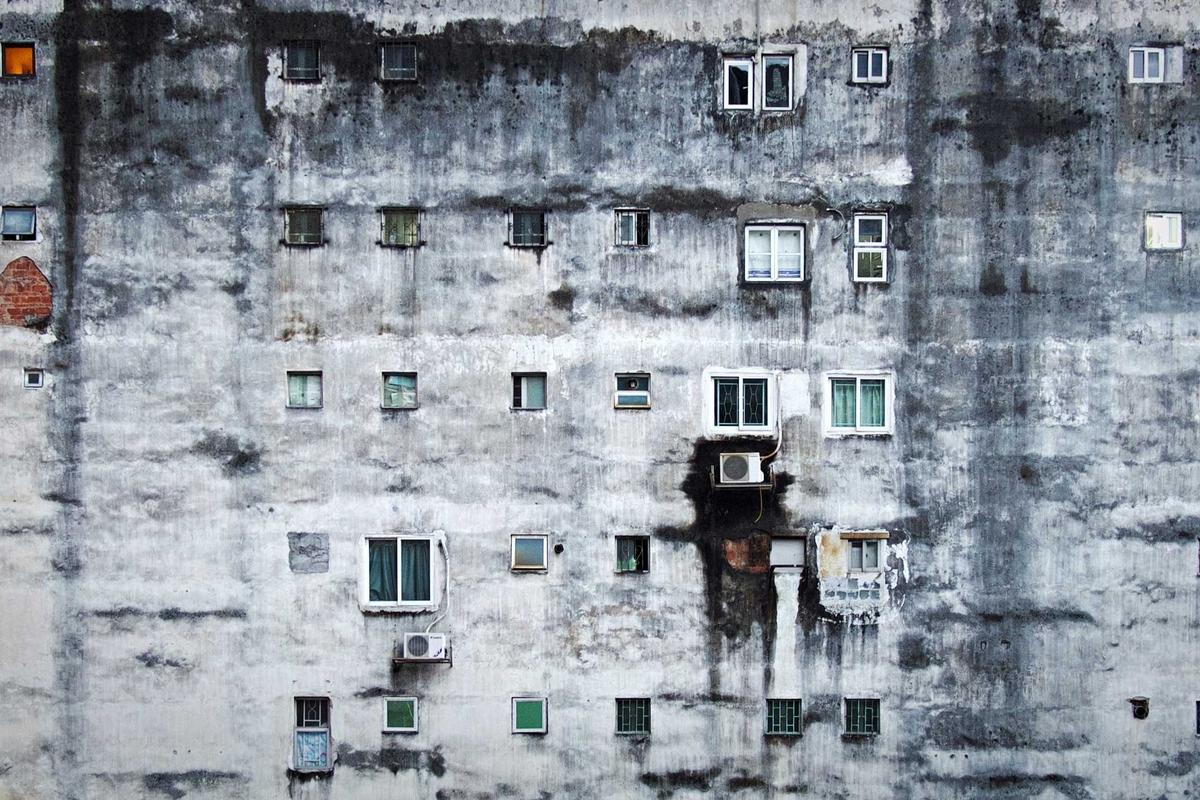
The sight of stranded passengers at Frankfurt Hauptbahnhof this week, staring at departure boards that might as well have been showing abstract art, was a tableau of a system in distress. Deutsche Bahn, once the envy of Europe, has become a symbol of infrastructure decay. Signal failures, crumbling tracks, and a workforce stretched thin have turned the German rail network into a daily lottery. As one commuter told me, 'You don't plan your journey anymore. You hope.'
But beneath the surface of this logistical collapse lies a deeper story about Europe's infrastructure crisis. The German rail chaos is not an isolated incident; it is a symptom of a continent-wide neglect of public investment. France's TGV network is ageing, Italy's high-speed lines are dogged by delays, and even Switzerland's punctual trains are showing cracks. The irony is that while Britain's HS2 project has been derided as a costly white elephant, its very existence now looks prescient.
HS2, the controversial high-speed rail line linking London to the Midlands and beyond, has been pilloried for budget overruns and delays. Yet its model of long-term, state-backed investment is precisely what Europe's railways need. The German chaos is a reminder that infrastructure cannot be left to market forces or short-term political cycles. It requires a vision that spans decades, not election terms.
On the streets of Frankfurt, the human cost is palpable. Small business owners near the station report a drop in custom; tourists miss connections; workers face impossible commutes. This is not just about trains. It is about the erosion of trust in public services, a creeping sense that the state has abandoned its duty to provide reliable foundations for daily life.
Britain's HS2, for all its flaws, represents a commitment to that duty. The project has been a lightning rod for criticism, but its vindication lies in the contrast with Germany's infrastructure malaise. The lesson is clear: underinvestment is not a saving, but a costly deferral. As Europe scrambles to patch up its rail networks, the HS2 model offers a blueprint for resilience. The question is whether politicians have the nerve to follow it.
The German rail chaos is a warning shot. Ignore it at our peril.