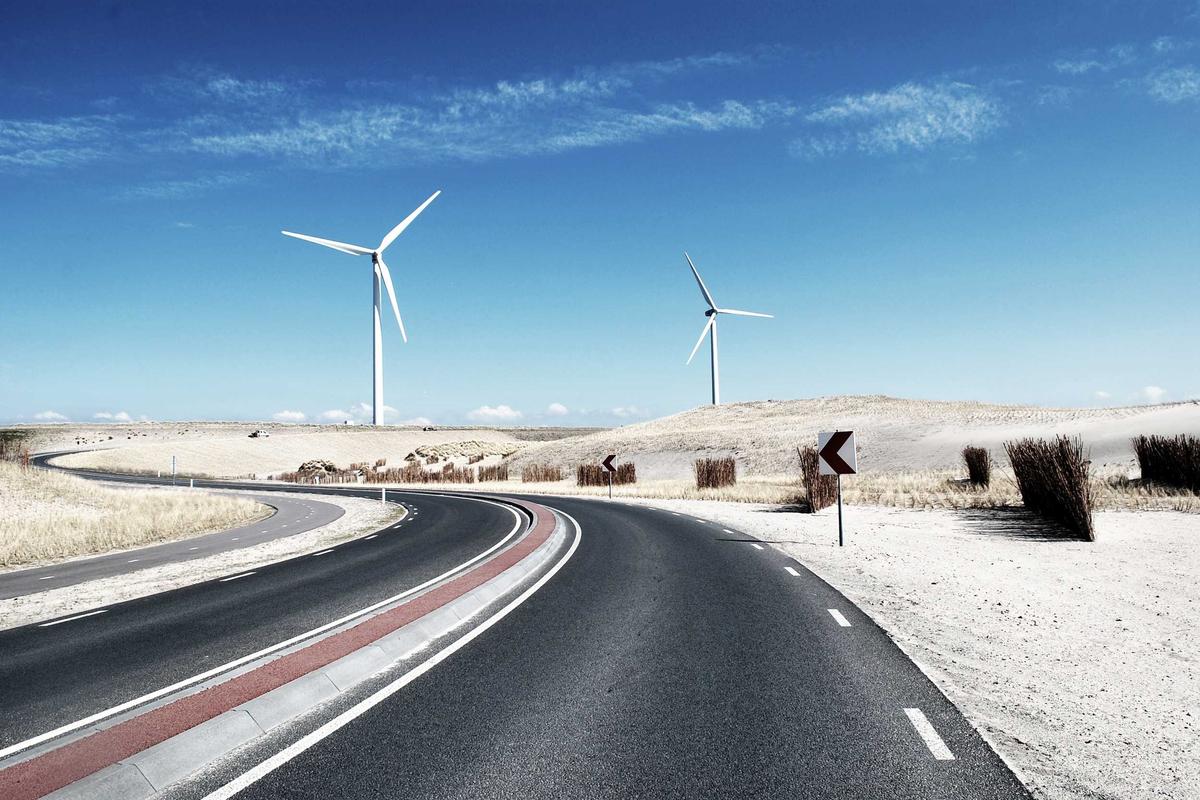
Berlin is facing a stark choice. Amid the dual pressures of phasing out nuclear power and reducing reliance on Russian gas, the German government is reportedly considering a temporary revival of coal-fired power plants to shore up energy security. This move, however, flies in the face of the nation's climate commitments and risks reversing years of progress in emissions reduction.
The British model, with its emphasis on energy efficiency and renewables, presents an alternative. By prioritising grid flexibility, demand-side management, and a rapid scale-up of offshore wind and solar, the UK has managed to stabilise its power supply while cutting carbon output. The physics is unyielding: coal produces roughly twice the CO2 per kilowatt-hour as natural gas. Germany, with its deep industrial base and wind power potential, need not default to fossil fuels.
Yet the temptation is understandable. Coal is abundant, established, and can be turned on quickly. The reality of a cold European winter, with gas supplies constrained and nuclear plants shut, can prompt desperate measures. But we have been here before. The carbon that would be released stays in the atmosphere for centuries. Calm urgency is required.
Technological solutions exist. Germany can invest in grid-scale battery storage, expand interconnectors with Nordic neighbours, and accelerate energy efficiency programmes. The data shows that every euro spent on reducing demand saves three euros in new generation capacity. The British example demonstrates that a coordinated policy, coupled with public engagement, can achieve both security and decarbonisation.
However, the political calculus is complex. The coalition government in Berlin balances Greens against free-market liberals. The lure of cheap, reliable coal is hard to resist. But the global biosphere does not negotiate. Atmospheric CO2 levels are now 420 ppm, a concentration not seen in millions of years. The window to act is narrowing.
The question is not whether Germany can avoid a coal revival. It can. The question is whether its leaders possess the resolve to pursue the cleaner, longer-term path. The British model shows it is possible. The physics of climate change shows it is necessary. The choice, as always, lies in our hands.