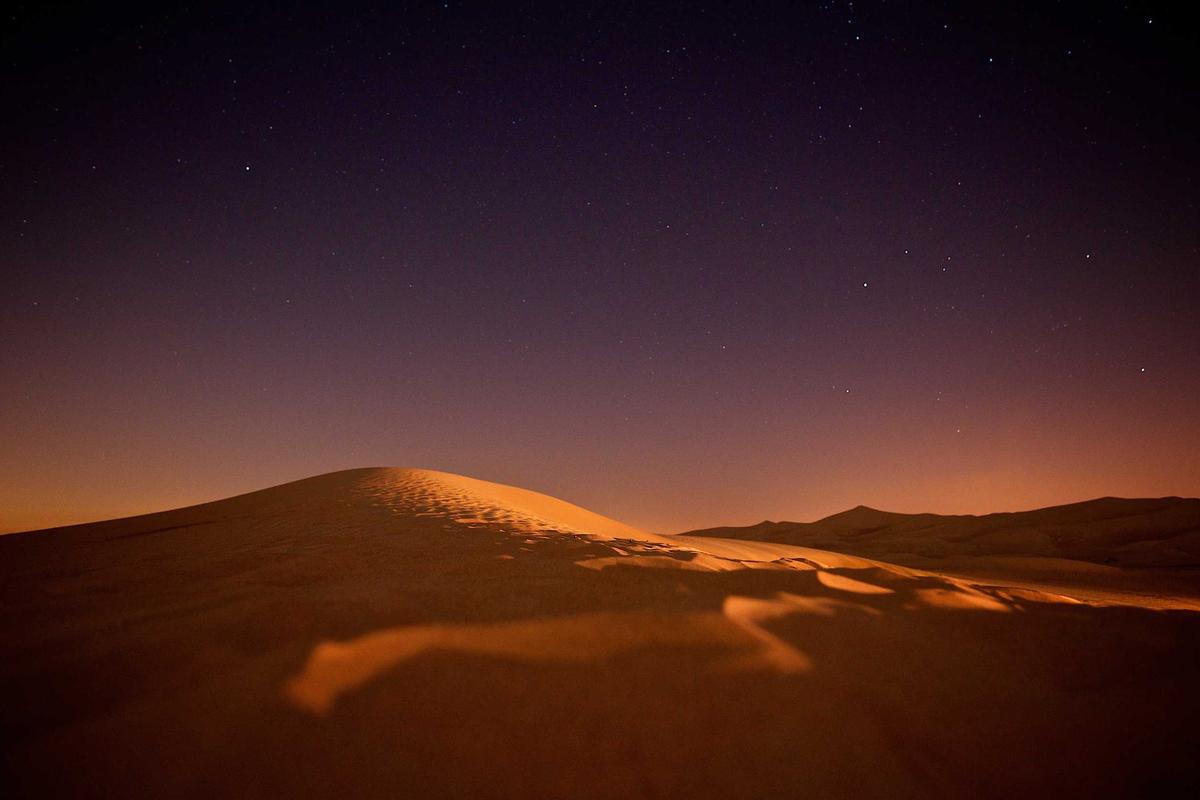
In a discovery that has sent tremors through the scientific community and caused at least three paleontologists to choke on their poppadoms, British boffins have taken the lead on analysing a five-million-year-old whale graveyard in the Atacama Desert of Chile. Yes, you heard that correctly. A graveyard. For whales. In a desert. It’s the kind of plot twist that would make Moby Dick blush and Captain Ahab wonder if he’d been chasing the wrong species all along.
The site, known as Cerro Ballena (literally ‘Whale Hill’ for those whose Spanish extends only to ordering paella), contains the fossilised remains of at least 40 ancient whales, alongside a menagerie of other unfortunate sea creatures including seals, dolphins, and an extinct species of elephant-like thing that evidently got lost on its way to the watering hole. The scene, says the University of Bristol’s Dr. Nick Pyenson, is a ‘bone bed of exceptional preservation’. Translation: it’s a prehistoric car crash of epic proportions, and we’ve got the photographs to prove it.
Now, your humble correspondent, Biff Thistlethwaite – a man who once mistook a whale skeleton for a giant lychee after a particularly heavy night on the West Country scrumpy – has a few questions. Mainly: who died first? Did they gather for a final, mournful song? Or did the biggest one simply look at the others and say, ‘Follow me, lads, I know a shortcut to the Pacific’? Because five million years ago, this was not a desert. It was a shallow sea, and something went terribly, terribly wrong.
The leading theory is that these whales were poisoned by toxic algae blooms, red tides that turned the water into a sort of natural nerve agent. The beasts suffocated, sank, and were buried by sediment. It’s a classic whodunnit with an environmental twist, and the scientists are having a field day. But let’s be honest: the real question on everyone’s lips is, ‘How do we make this into a theme park?’ I propose a ride called ‘The Great Whale Die-Off: A Family Fun Adventure’ with animatronic sea monsters and a gift shop selling tiny plastic tubs of ‘Ancient Algae Snacks’.
The British connection, of course, adds a layer of delightful absurdity. Because nothing says ‘British ingenuity’ like a bunch of chaps in tweed jackets examining the bones of dead whales in the driest place on earth. One imagines them complaining about the lack of decent tea and the terrible service at the nearest pub (which is only about 2,000 miles away). ‘Smashing fossil, old boy, but have you tried the local gin? It’s got a distinct taste of arid regret.’
This discovery isn’t just about ancient bones, however. It’s a stark reminder that the planet has been through mass extinctions before, and it’s not afraid to do it again. The same toxic algae that killed these whales fifty centuries ago still blooms today, often caused by the very human activities we pretend aren’t a problem. But let’s not get bogged down in the message. We’ve got a whale of a story here, literally, and the tabloids are already sharpening their puns.
In conclusion, I raise a glass of aviation gin (the only acceptable tipple for a story this airborne) to the whales of Cerro Ballena. They died in a sea of poison, but they’ve given us a snorkel into the past. And to the British scientists leading the analysis: keep up the good work, and for heaven’s sake, pack some proper biscuits. The digestive struggles are real.
Biff Thistlethwaite, filing from a bar in Santiago where the tonic is suspiciously warm and the ice cubes look like they’ve seen things.