The sudden death of Rajiv Mehta, the 68-year-old founder of Aam Global, one of the world's largest mango exporters, in a hiking accident in the Swiss Alps has sent shockwaves through international commodity markets. His 34-year-old son, Arjun Mehta, was arrested at the scene on suspicion of manslaughter, though sources close to the investigation hint at a broader probe into the company's financial dealings. UK investors, who hold significant stakes in Aam Global's London-listed bonds, are now bracing for volatility as the conglomerate's opaque supply chains face renewed scrutiny. Dr. Helena Vance, Science & Climate Correspondent, analyses the intersection of a tragic accident, corporate governance, and the physical risks of a changing planet.
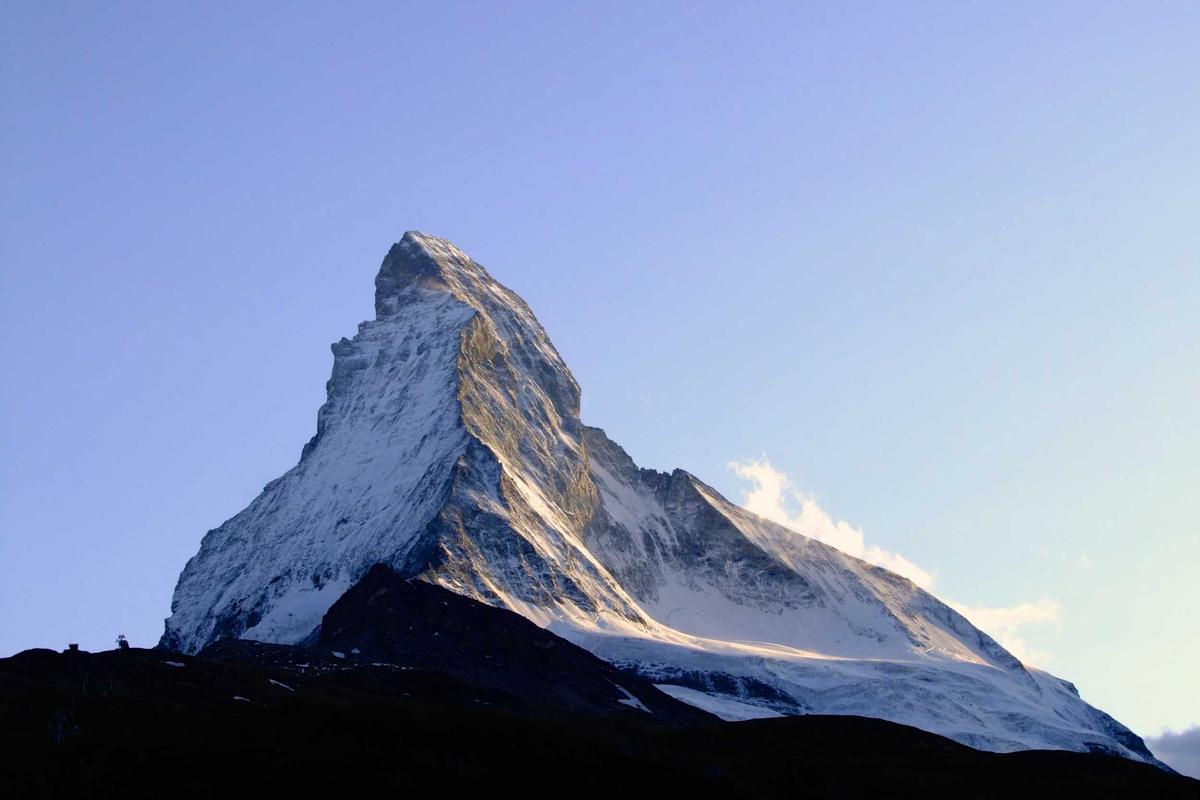
The incident occurred on the Gornergrat ridge, a popular but treacherous hiking route near Zermatt. Rajiv Mehta slipped on loose scree at approximately 3,200 metres, falling 200 metres into a crevasse. Arjun Mehta, who was ahead on the trail, was detained after witnesses reported a heated argument moments before the fall. Swiss police have not yet filed charges, but the arrest has triggered a cascade of alarm among Aam Global's creditors. The company's stock, listed in Mumbai and via depositary receipts in London, has been suspended pending an internal investigation.
This is more than a family tragedy. The mango trade is a bellwether for climate-driven supply chain fragility. Aam Global controls 40% of India's Alphonso mango exports, a crop increasingly vulnerable to erratic monsoons and rising temperatures. Dr. Mehta's death comes amid a heatwave that has already slashed this year's harvest by 15%, pushing wholesale prices to record highs. The arrest threatens to destabilise forward contracts that UK pension funds rely on for inflation-linked returns.
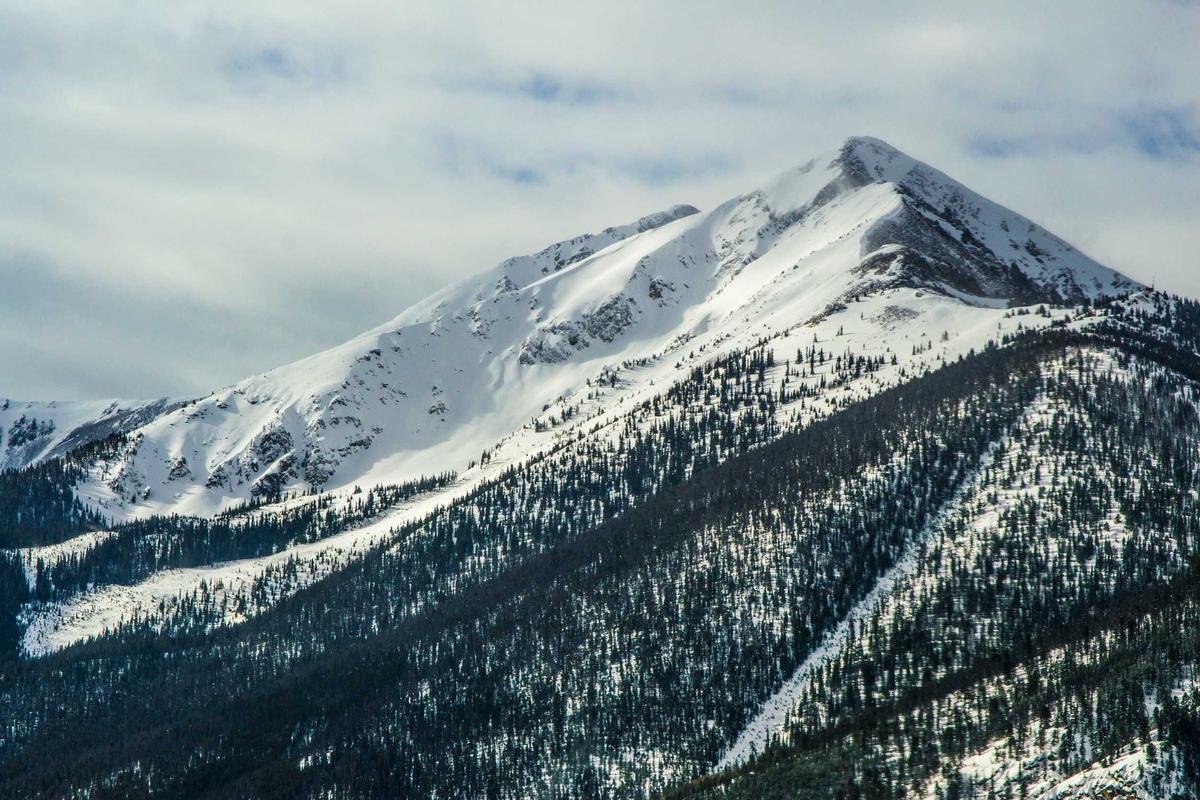
The physical geography of the Alps, meanwhile, offers a grim metaphor. The Gornergrat glacier, visible from the accident site, has retreated 1.5 kilometres since 1900. Permafrost melt is making Alpine trails more unstable, a factor Swiss authorities are now examining. While the Mehta case is legally about human action, the backdrop is a world where once-stable systems are fracturing.
Aam Global's bonds, rated BBB- by S&P, have been under pressure since the company disclosed last month that it had hedged currency risk via derivatives tied to Swiss franc interest rates. The arrest raises questions about whether Arjun Mehta, who oversaw treasury operations, acted alone. Swiss prosecutors have not confirmed if financial records were seized, but the family's private bank in Zurich has declined to comment.
UK asset managers, including Legal & General and Aviva, have urged calm, but the bond spreads tell another story. Yields have widened 80 basis points since the news broke. One trader described the mood as "ice cold fear". The real risk is contagion to other emerging market agribusinesses, which often operate with thin regulation and opaque ownership.
The question of motive will dominate headlines, but the structural fragility exposed here is more profound. Global food supply chains are concentrated in a few hands, and those hands are increasingly shaky. The Alps are thawing, mango yields are falling, and a single family's tragedy can ripple through the portfolios of millions.
As we await the autopsy and forensic accounting, one fact remains: the intersection of personal ambition and planetary limits is a dangerous place. The Mehta family's story is a microcosm of a civilisation pushing against ecological boundaries without adequate safety ropes. The markets will price this risk eventually, but for now, they are stumbling, much like a man on a melting mountain.