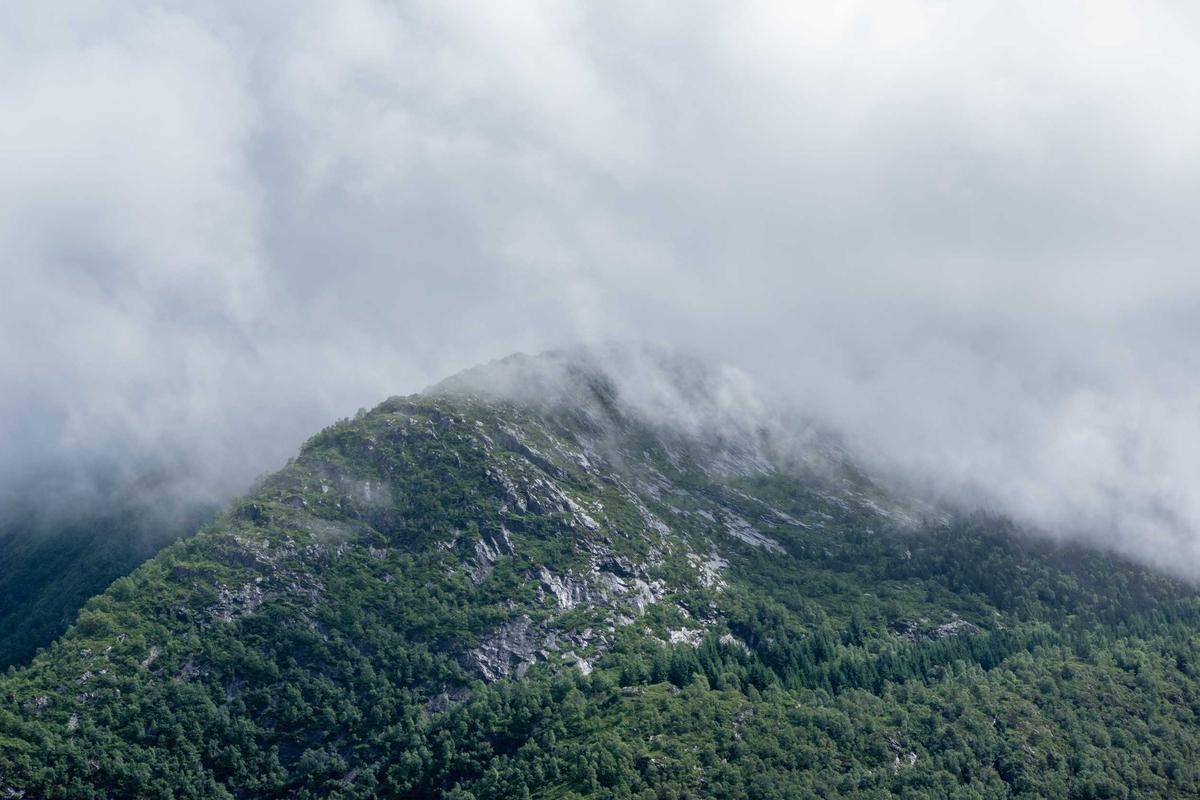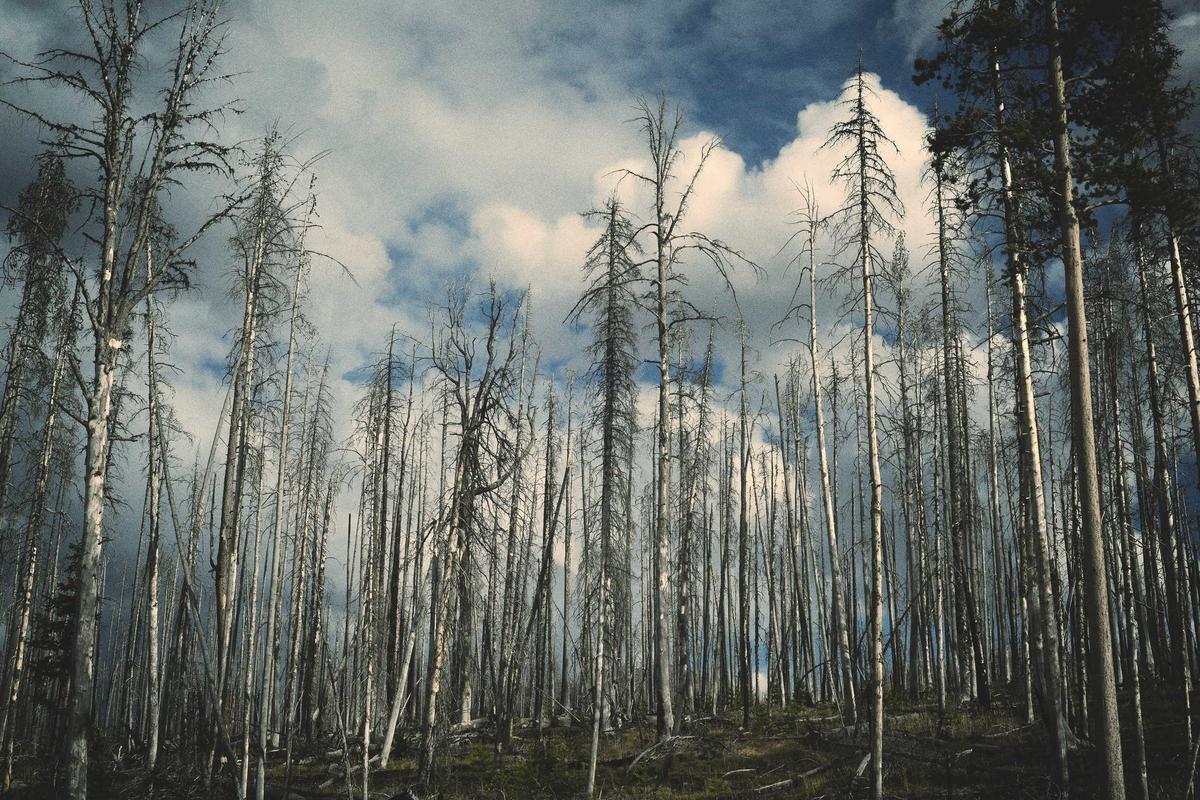
The unchecked wildfire consuming swathes of Greece signals more than a natural disaster. It represents a strategic failure in crisis response coordination that hostile actors will dissect for intelligence gaps. British holidaymakers now face chaotic evacuation as the fire front advances faster than emergency services can redeploy.
This event exposes a critical logistics vulnerability: the reliance on fragile transport infrastructure in high-season tourist zones. The evacuation chaos is a textbook case for any nation-state studying soft target disruption. The fire’s trajectory suggests either poor modelling by Greek civil protection or deliberate exploitation of wind patterns—both require immediate review by allied defence planners.
Cyber warfare analysts should note the ongoing disinformation campaign targeting evacuation routes on social media. False reports of safe zones have already caused near-crushing incidents. This is a rehearsal for hybrid warfare tactics: use a natural crisis to amplify civilian panic and degrade trust in official channels.
Military readiness assessments must factor in the inability of NATO’s southern flank to manage concurrent emergencies. While Greece’s fleet of firefighting aircraft is operational, the lack of real-time data fusion between aerial and ground units is a glaring intelligence failure. British citizens should not rely solely on embassy WhatsApp groups; secure satellite communications are non-negotiable in these scenarios.
Logistics, hardware, and human capital are now under direct threat. The evacuation of tourists from Rhodes and Corfu requires a phased extraction plan akin to non-combatant evacuation operations. The UK’s Rapid Deployment Force should be on standby. If the fire crosses into archaeological sites or critical energy infrastructure, the impact on national security will be felt across the continent.
This is not a weather event. It is a stress test of European civil defence mechanisms. The next actor to watch is not the fire: it is any state that now possesses a blueprint for exploiting climate-induced crises. The chess piece has moved.