The news from Port Talbot is not merely a story of electrical faults and fiscal figures. At its core, it is a human drama of hope, fear, and the grinding gears of industrial change. Tata Steel’s ambitious £1.25bn green furnace, meant to herald a cleaner era for British steelmaking, has been hit by a delay. An electrical fault, the company says. But on the streets of this Welsh town, the fault line runs deeper.
This is a place where steel is not just a product but a pulse. Generations have known the glow of the furnaces, the rhythm of the shifts, the identity forged in metal. The transition to green technology was supposed to be a promise: that the future could still belong to them, albeit in a cleaner form. Now, that promise flickers.
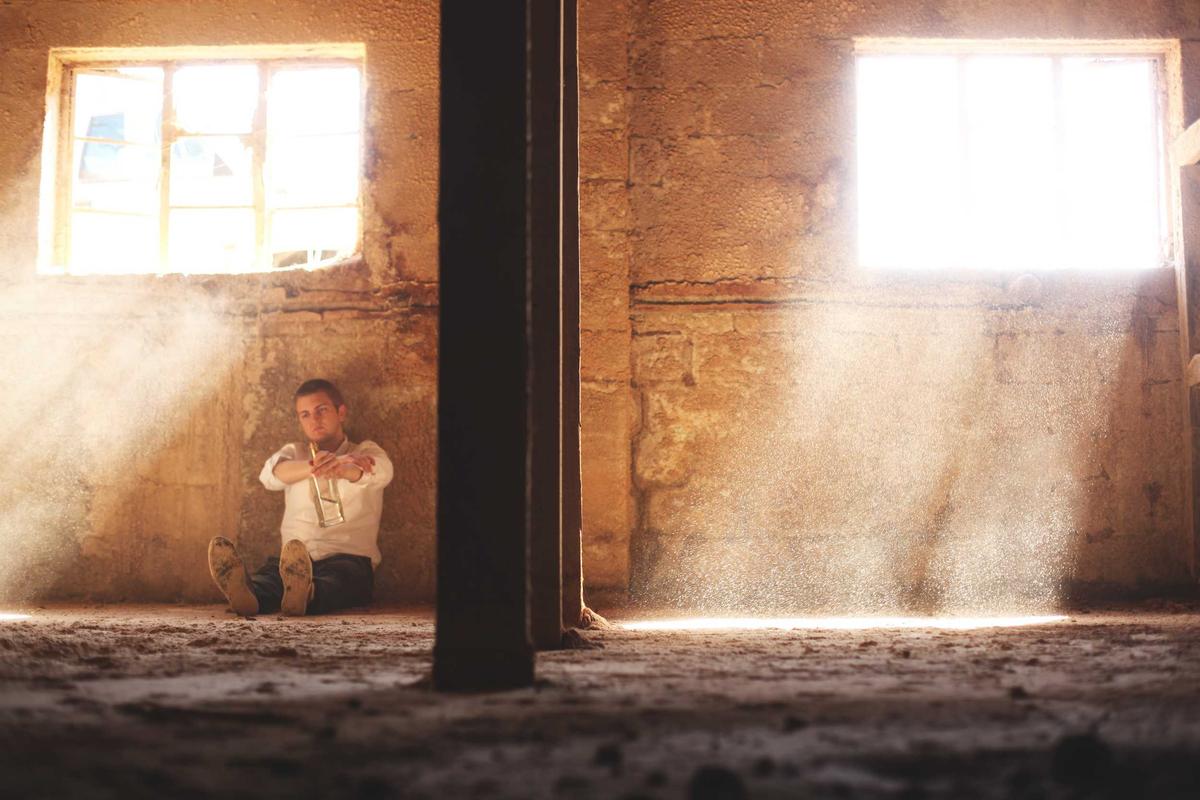
For the workers, the delay is an agony of limbo. Job losses have already been announced, with nearly 3,000 positions on the line. The green furnace was the lifeline. Every day of postponement deepens the uncertainty. In the town’s pubs and cafes, the talk is not of carbon targets but of mortgages and school fees. It is a calculation of survival.
Economists will debate the impact on the UK’s net-zero ambitions. Politicians will exchange blame. But the true cost is counted in the quiet anxiety of a family at the dinner table, the hesitant optimism of an apprentice now fearing redundancy, the resilience of a community that has weathered closures before but wonders how many more blows it can take.
This is the cultural shift of our time: the painful birth of a green economy, where the virtues of sustainability clash with the vices of disruption. The electrical fault is a technical problem, but the real fault is in how we navigate the human transition. As Port Talbot waits, one thing is clear: the story of steel is also the story of us.