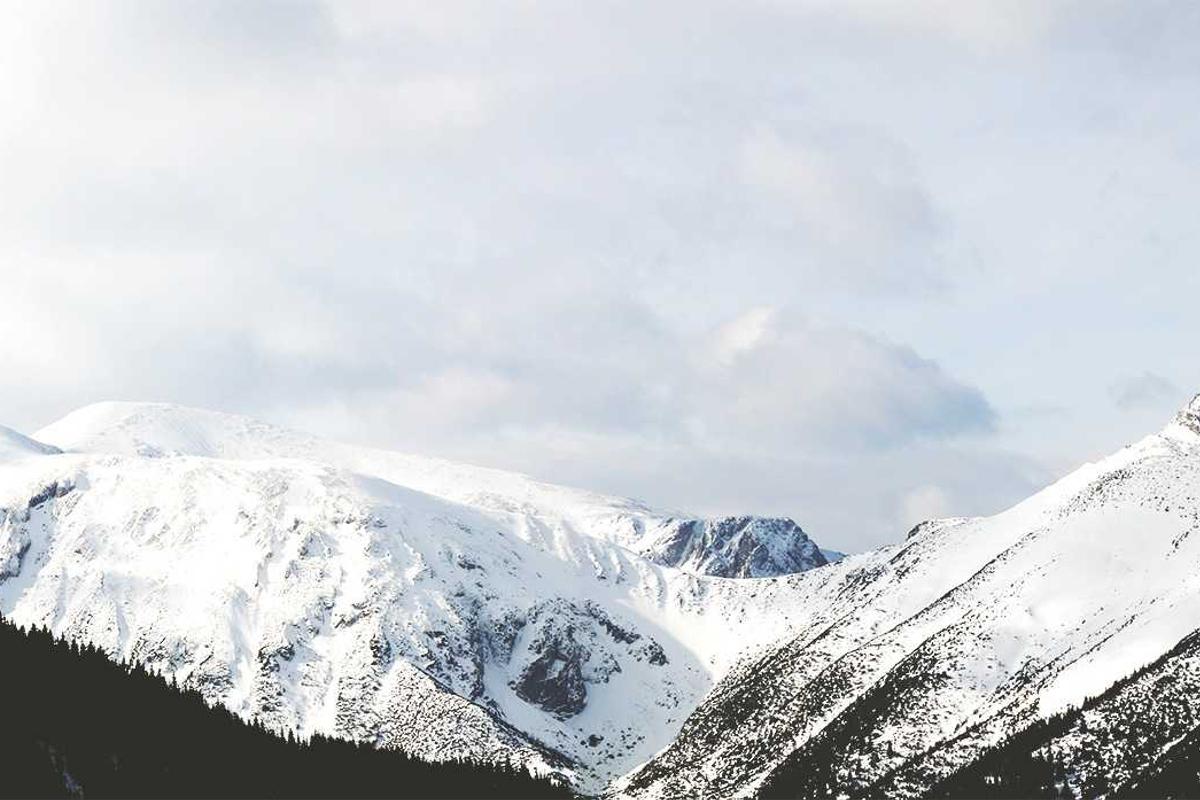
A Nepali mountain guide has been pulled alive from the death zone of Mount Everest after six days stranded above 8,000 metres, sources confirm. The rescue, described by veteran climbers as nothing short of a miracle, unfolded in a window of marginal weather that closed almost as soon as the helicopter touched down.
The guide, identified as 34-year-old Kami Tamang from Solukhumbu, was last seen on Monday descending from the summit when he reportedly slipped and injured his leg. For six days, he lay exposed on the Southeast Ridge, his oxygen running out, his limbs frozen. Fellow climbers radioed his location but high winds and cloud made any attempt impossible.
Then, on Saturday morning, a sliver of clear sky appeared above the Balcony section at 8,400 metres. A single Eurocopter AS350 B3, piloted by veteran rescue flyer Siddhartha Gurung, took off from Base Camp. The helicopter hovered at the absolute limit of its performance envelope. The air is so thin at that altitude that the rotors struggle to bite. Gurung, a man who has pulled bodies off the mountain for years, told colleagues it was the hardest landing he had ever made.
Tamang was found unconscious, his down suit shredded, his goggles caked in ice. He had severe frostbite on both hands and feet and was suffering from advanced hypothermia and altitude sickness. The rescue team had just minutes to strap him into a harness before the clouds rolled back in. The helicopter descended like a stone, the pilot fighting for lift all the way.
Tamang is now at the military hospital in Kathmandu. Doctors say he will lose several fingers and toes but will live. His family, who had been praying at the monastery in Namche Bazaar, received the news in silence. They have not yet spoken publicly.
This rescue raises uncomfortable questions. How does a guide, someone paid to keep others safe, end up abandoned on the highest peak on earth? Sources within expedition companies whisper that commercial pressure to summit is relentless. That oxygen bottles are jealously guarded. That the line between guide and client has blurred to the point of danger.
Records show that over 300 people have died on Everest since 1922. This year alone, five have perished. The mountain is littered with bodies. But this time, the body came back. That is the story. Not heroism, not glory. Just a man who refused to die, and another man who flew into a place where helicopters should not fly.
The investigation into the circumstances of Tamang’s abandonment will begin when he is well enough to speak. But the track record of accountability on Everest is poor. Operators hide behind nondisclosure agreements. Insurance companies settle. The mountain absorbs the blame.
For now, Kami Tamang lies in a hospital bed, his future changed forever. The bill for the rescue is reportedly $50,000. Who pays? That is the question no one wants to answer.