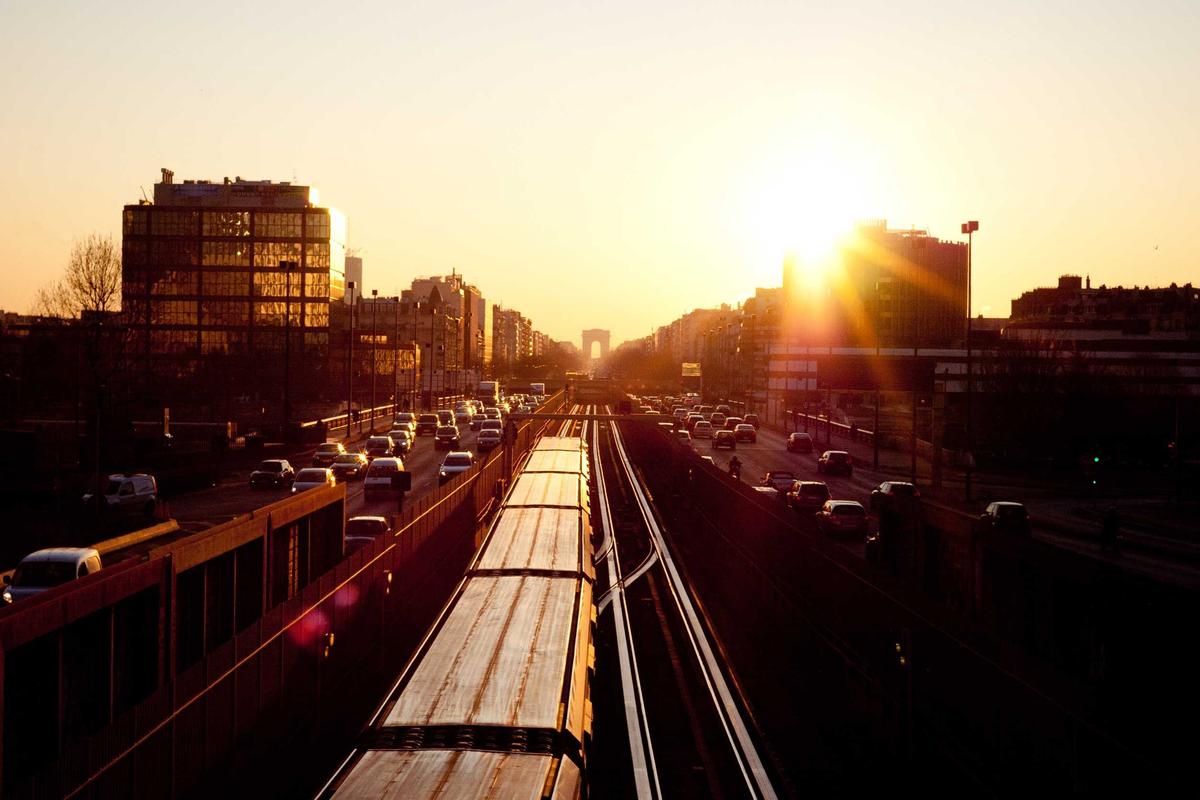
An unprecedented heatwave is scorching the United Kingdom, with temperatures smashing all previous records. The mercury has soared past 40 degrees Celsius in parts of southern England, a level never before recorded in this green and pleasant land. The government has declared a national emergency as the extreme weather places immense strain on roads, railways, and power grids. In London, tube lines have been suspended due to warped rails, and some hospitals have had to cancel non-urgent surgeries as air conditioning units fail under the load.
The heatwave is not confining itself to British shores. Across the Channel, France and Spain are also experiencing their own historic highs, with wildfires raging from the Gironde to the Sierra de Gredos. Climate scientists have been clear: this is not a freak event but a harbinger of our warming world. The jet stream is behaving oddly, a peculiarity of the changing climate that parks high-pressure systems over western Europe for longer periods. The result is a blast of Sahara air that turns our temperate island into a temporary furnace.
For the technologist, the crisis is a stark reminder that our digital society is only as resilient as its physical foundations. Data centres, those cloud servers we depend on for our daily scroll, are sucking in hot air to cool themselves, pushing local power grids to the limit. Meanwhile, solar panels are generating abundant energy at peak hours, but the grid cannot store it all. The battery storage revolution cannot come soon enough.
Our obsession with screens during a heatwave is ironic. We retreat indoors to the comfort of air conditioning, but that AC unit is pumping waste heat into the urban canyon, exacerbating the problem for street-level life. The Urban Heat Island effect is now a public health crisis. Vulnerable populations, the elderly and the homeless, are most at risk. Smart cities need to think about green infrastructure, reflective roofs and vertical gardens, not just faster broadband.
The other black mirror moment: the Alpine ski resorts are bare, the crops in the Po Valley are withering, and the Thames at its source has dried up. Our collective appetite for cheap flights and beef is coming home to roost. Every algorithm we design should now have a carbon cost baked in. The architects of our digital future must factor in planetary boundaries.
As the heatwave peaks, the question is not just about survival today but about how we redesign tomorrow. Let this be the turning point where we stop treating the climate like a background app and start treating it like the core operating system of our civilisation. The user experience of society has never been more uncomfortable. Time to patch the bugs.