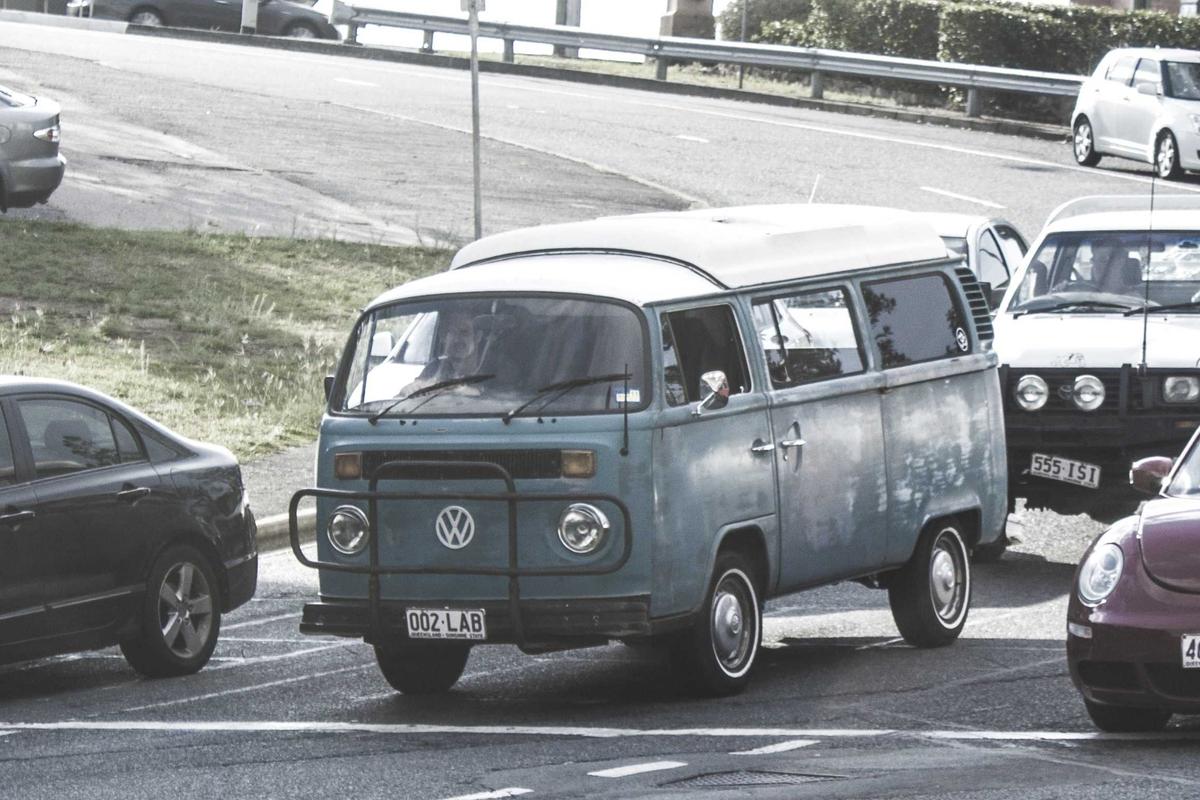
The Polish government has resurrected bus route 666 to the coastal resort of Hel, a move that reeks of populist pandering rather than sound economic planning. Starting this tourist season, the number 666 bus will again trundle from Władysławowo to Hel, a 36-kilometre journey along a narrow spit of land. The route was suspended in 2023 after a local priest raised hell about its satanic connotations, but the tourism board has clearly decided that devilish branding is good for business.
Let us be clear: this is a gimmick. The route's notoriety is a marketing ploy, but it exposes a deeper malaise in Poland's fiscal management. Why are public funds being squandered on a stunt that generates headlines but negligible returns? The route carried just 2,000 passengers in its previous incarnation, a pittance that barely covers the diesel costs. Meanwhile, Poland's inflation rate is hovering above 4%, and the central bank is grappling with a weakening złoty. Capital flight is a persistent threat, and this government is burning cash on a bus number.
Gilt yields in the UK have taught us that markets punish fiscal frivolity. Poland's debt-to-GDP ratio is still manageable, but these symbolic gestures signal a lack of discipline. The Highway to Hel is a distraction from the real infrastructure needs: modernising railways, repairing pot-holed roads, and investing in ports that actually generate trade. Instead, we get a bus route that serves up irony rather than economic utility.
Of course, the tourism boost is a mirage. Social media influencers will flock to snap selfies with the devilish number, but that is not sustainable growth. Poland needs to attract long-term capital, not fleeting Instagram fame. The zloty has weakened 8% against the euro in the past year, and foreign investors are eyeing other emerging markets with more orthodox policies. A bus route to Hel is not going to reverse that trend.
Let us not forget the opportunity cost. The funds used to subsidise this route could have been deployed to cut corporate taxes or reduce red tape. Instead, we have a publicly funded publicity stunt that caters to the worst instincts of clickbait culture. The Polish tourism board would do well to remember that markets are efficient. They see through the devilish smokescreen.
Inflation expectations are anchored by credible policy, not bus numbers. If Poland wants to be taken seriously by bond markets, it should focus on fiscal consolidation, not novelty routes. The Highway to Hel is a dead end for economic prudence. The only hell here is the one of missed opportunities.