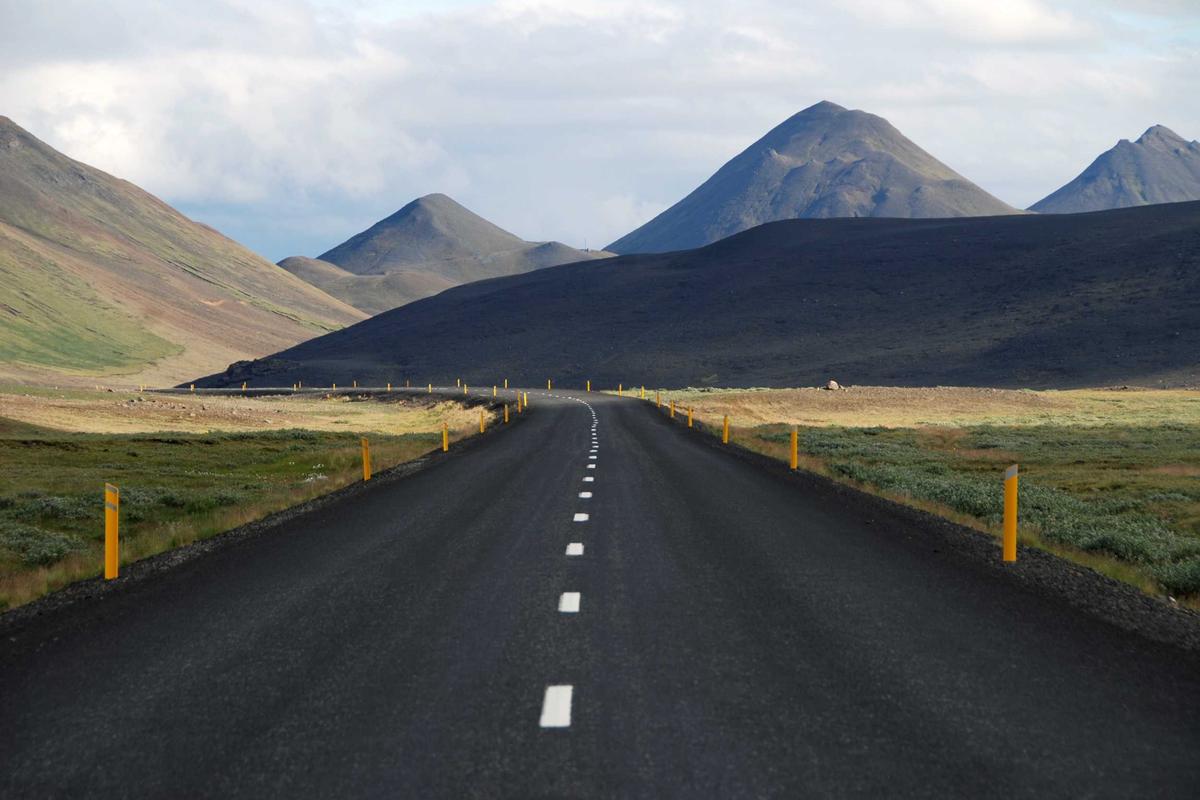
In a development that will raise eyebrows in Washington and delight the black-market economists of the City, a band of bikers has taken on the role of fuel smugglers, running Iranian petrol across the Himalayas into Pakistan. The operation, first reported by local outlets, sees riders on modified motorcycles traverse the treacherous passes of Balochistan, evading US sanctions and border patrols to deliver what is effectively contraband crude.
Forget the Suez Canal. This is the new supply chain: a two-wheeled, high-risk venture that speaks volumes about global energy arbitrage. Iranian fuel, cheap and plentiful thanks to sanctions that have cut off official export routes, now finds its way to Pakistani pumps via a route that would make a Stieg Larsson plot look tame. Each rider carries up to 80 litres in jerrycans, strapped to their bikes, navigating unpaved roads at altitudes that would leave a Range Rover coughing.
This is a market inefficiency writ large. The global price of oil is set by Brent and WTI, but the local price in Quetta or Peshawar is determined by how many bikers survive the journey. The margins are intoxicating: Iranian petrol sells for a fraction of the global price, and in Pakistan, where inflation is running hot and the rupee is in freefall, every litre saved is a victory against the IMF’s austerity.
The US Treasury will be livid. These sanctions were designed to strangle Iran’s oil revenue, not to create a cottage industry of daredevil smugglers. But what the Treasury fails to grasp is that prohibition always creates a premium, and that premium is collected by those willing to take the risk. This is the same logic that drove rum-runners in the 1920s and drug cartels in the 1980s.
The Pakistani government, meanwhile, is in a bind. It needs cheap fuel to quell public anger over skyrocketing prices, but it cannot be seen to flout US sanctions. Official imports from Iran are a no-go, but turning a blind eye to a few hundred bikers is a quiet victory. The central bank, which has been haemorrhaging foreign reserves, will note that every litre of smuggled fuel reduces the demand for dollars on the official market. It is a de facto loosening of monetary policy, achieved by informal means.
Yet the risks are considerable. The terrain is lethal; the border guards have orders to shoot; and the US could demand action. But for now, the bikes keep rolling. The economic signal is clear: when official channels are blocked, the market finds a way. And in this case, that way is a motorcycle, a jerrycan, and a hill tribesman with a map.
The bottom line: the Himalayan fuel run is a masterclass in regulatory arbitrage. It is inefficient, dangerous, and small-scale, but it highlights a fundamental truth. Sanctions cannot eliminate demand. They can only push it into the shadows. And in the shadows, the price is set by the courage of the smuggler and the desperation of the buyer.