The New York Knicks have completed the most improbable comeback in NBA Finals history, overturning a 3-1 series deficit to defeat the Los Angeles Lakers in Game 7. The victory, sealed by a last-second three-pointer, sent Madison Square Garden into unprecedented pandemonium. However, celebrations quickly escalated into widespread civil disorder across Manhattan, with fires, looting, and clashes with police leaving over 200 injured. The mayor has declared a state of emergency.
Yet amidst the chaos, a strategic shift is emerging. The British Basketball League (BBL) has announced plans to scout for transatlantic talent, capitalising on potential NBA player disenchantment with the American system. This move reflects the harsh physical realities of professional sports: a finite pool of elite athletes, shifting economic pressures, and the relentless thermodynamics of human performance. As with climate systems, disruptions ricochet through interconnected networks. The Knicks' riot is not an isolated event but a symptom of systemic stress.
From an energy transition perspective, the sports industry consumes vast fossil fuel resources: travel, stadium lighting, and broadcasting. The BBL's expansion could reduce transatlantic flights if more games are played in Europe, lowering the carbon footprint. However, the underlying driver remains the same: the intense competition for resources, whether it be basketball championships or remaining carbon budget.
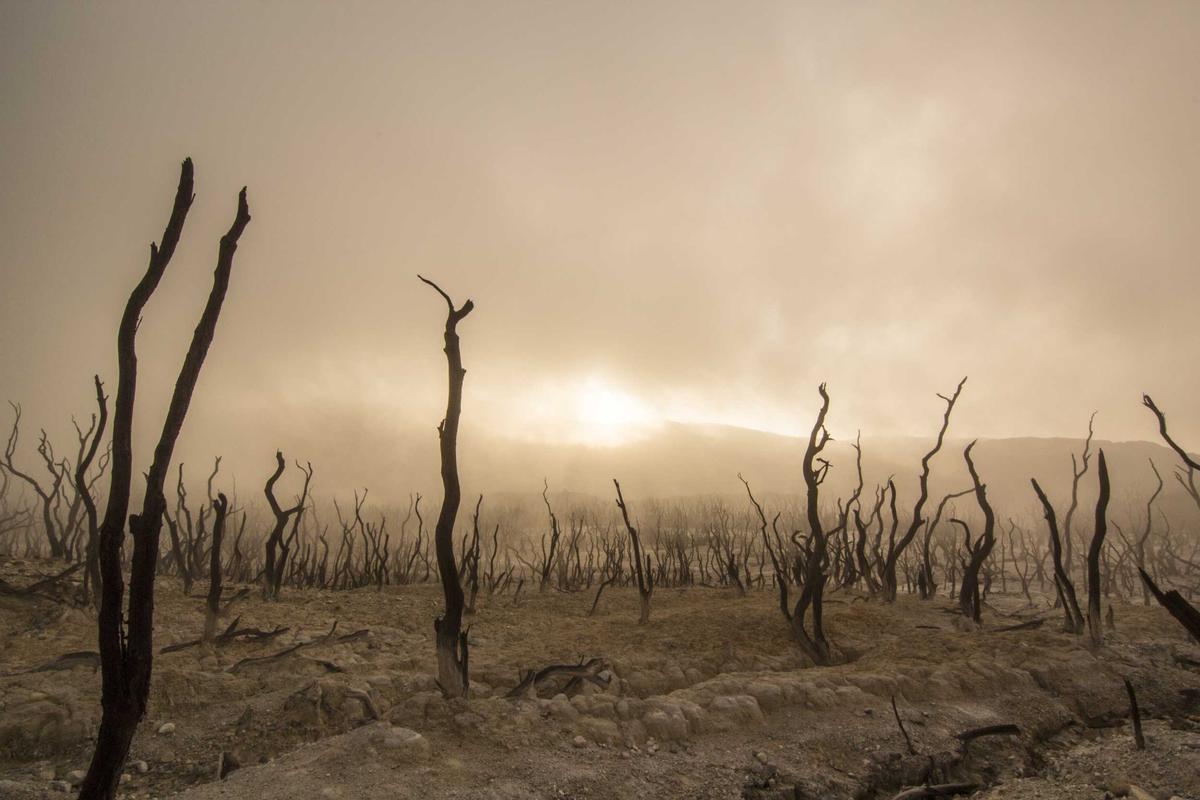
This event mirrors the broader biosphere collapse: a system under pressure, where feedback loops amplify small changes into massive outcomes. A single shot, a riot, a league pivot. The Knicks' victory will be forgotten in a decade. The climate emergency will not. We must channel the same urgent, data-driven intensity we apply to sports toward mitigating our planetary crisis. The riot is a reminder: when thresholds are breached, the consequences are unpredictable and severe.