In a development that has sent shockwaves through the chancelleries of Whitehall and the gin-soaked editorials of Fleet Street, His Majesty's Government has today issued an urgent call for 'de-escalation' following Iran's theatrical threat to close the Strait of Hormuz. Because nothing says 'diplomatic finesse' like a rogue state threatening to choke the world's oil supply while Britain politely asks everyone to calm down.
The Admiralty, no doubt dusting off its charts of the Gulf and praying for a nice, quiet afternoon tea, has reportedly dispatched a strongly worded telegram to Tehran. The message, delivered via a flotilla of uncertain resolve, essentially says: 'Please don't do that. It would be frightfully inconvenient.' Meanwhile, in the corridors of power, ministers are practising their 'stern but concerned' faces for the inevitable television interviews. 'We are monitoring the situation closely,' they will intone, as if staring at a live feed of a ticking bomb qualifies as statecraft.
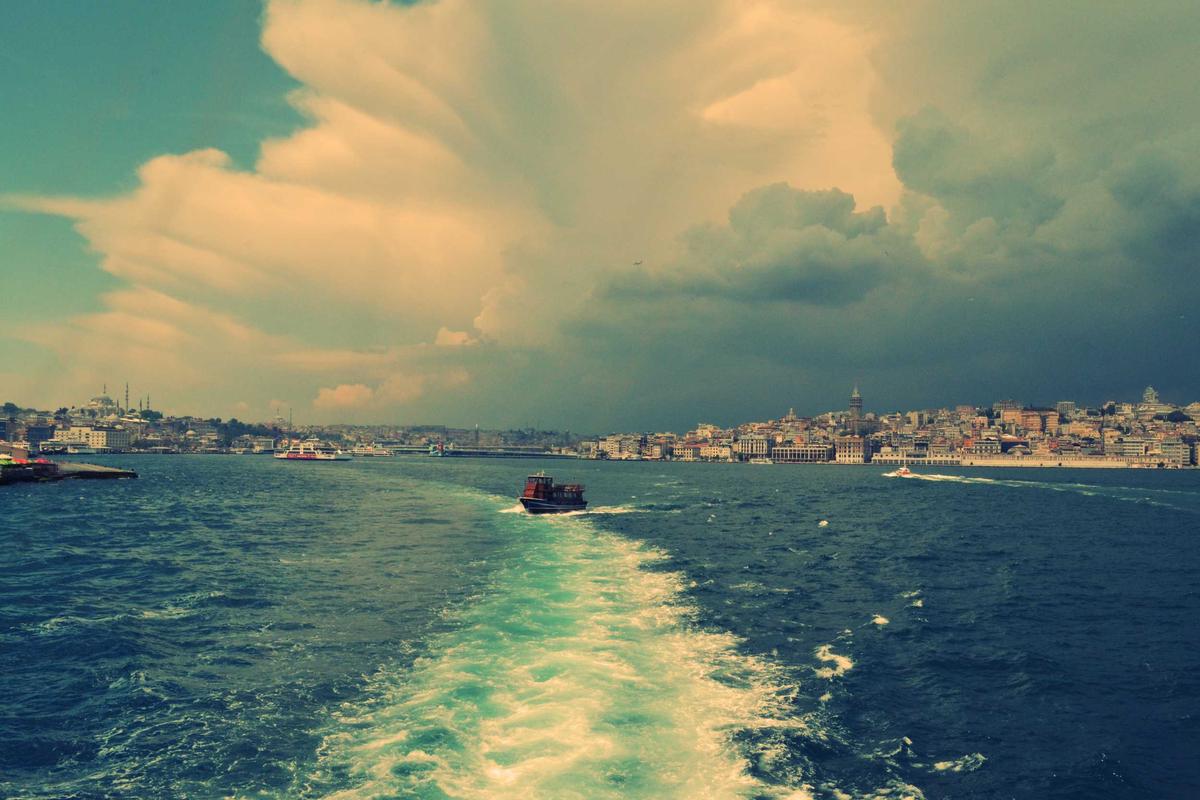
Let's be clear: the Strait of Hormuz is not some obscure waterway frequented by melancholic seagulls and the occasional dhows. It is the world's most lucrative maritime choke-point, through which a fifth of global oil trade passes daily. Iran's suggestion that it might block this passage is the geopolitical equivalent of a ticket inspector threatening to shut down the London Underground because he didn't get his tea break. It is absurd, it is dangerous, and it is entirely in character for a regime that views international diplomacy as a spectator sport.
One can almost picture the scene in Tehran: a roomful of hardliners banging their fists on a table decorated with photographs of angry mullahs, while a man in a slightly too tight uniform announces, 'We shall close the strait! That will show the Great Satan!' To which the only sensible response is, 'Congratulations, you've just cut off your own nose to spite your face. And also everyone else's nose. And their entire oil-based economy.'
But here we are, with Britain playing the role of the polite butler at a slightly unhinged dinner party, asking the guests to please put down the cutlery and not set fire to the tablecloth. The Foreign Office's official statement, no doubt penned by a man whose last exciting moment involved a slightly under-salted scone, will be a masterpiece of understatement: 'We urge all parties to show restraint and pursue diplomatic solutions.' Translation: 'For the love of God, please don't do anything stupid until we've finished our holiday rotas.'
In the meantime, petrol prices are already twitching nervously, like a suspect in an interrogation room. The average motorist, already reeling from the cost of a pint and a packet of crisps, can expect to pay the price for this high-stakes game of 'who blinks first'. And while Britain may no longer rule the waves, it does have a very nice aircraft carrier that is reportedly quite good at looking menacing in photographs.
So here's to de-escalation: that noble art of not doing something catastrophic until after lunch. Perhaps Iran will see reason. Perhaps the world will sigh with relief. Or perhaps we'll all be cycling to work by Thursday, powered by righteous indignation and the faint hope that someone, somewhere, has a plan that doesn't involve the phrase 'monitoring the situation'.
Until then, I'll be at the bar. Save me a seat, and don't mention the oil.