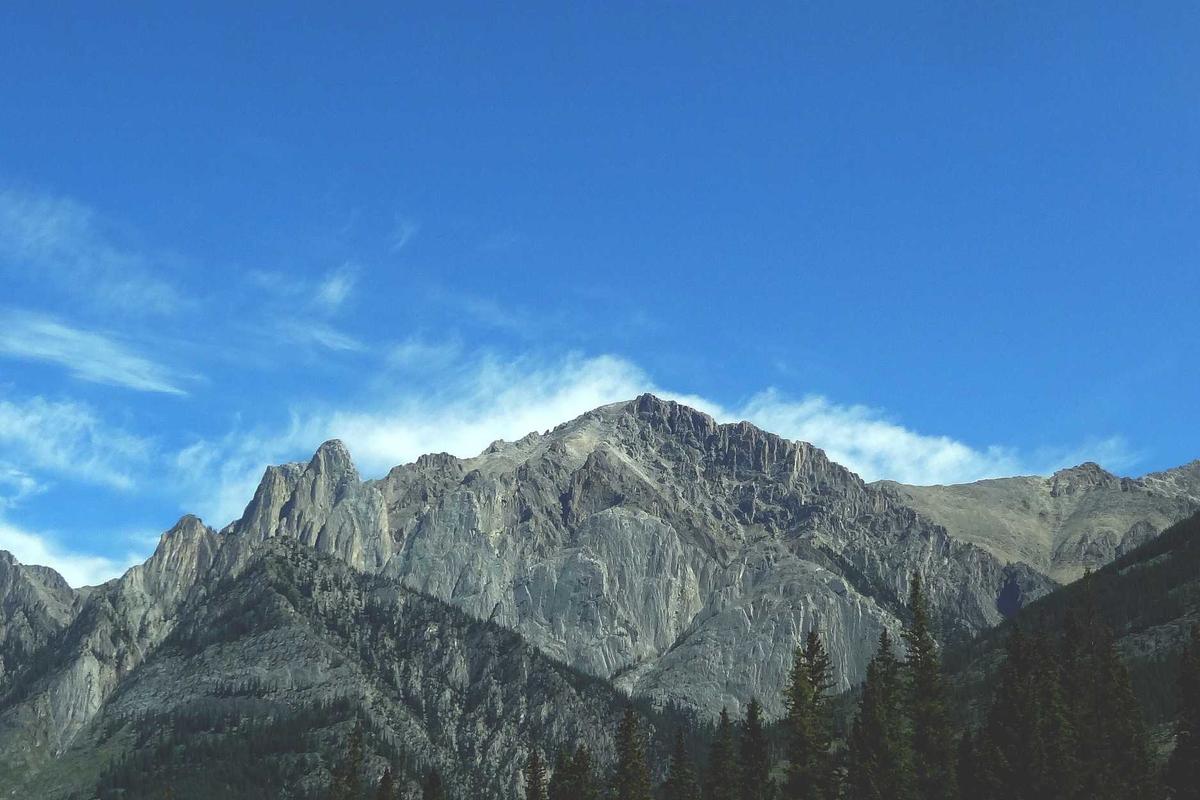
A clandestine operation, coordinated between Nigerian forces and British intelligence assets, has resulted in the liberation of more than 300 men, women and children from a fortified mountain stronghold in northeastern Nigeria. The raid, which took place in the early hours of Wednesday, targeted a camp hidden in the Mandara Mountains, a known redoubt for Boko Haram factions. Source confirm that British signals intelligence and satellite imagery were instrumental in pinpointing the location, while UK-funded training programmes for Nigerian special forces ensured the ground assault was executed with minimal casualties.
Yet this is not a story of straightforward triumph. The freed captives, many of whom had been held for years, bear the scars of systematic abuse. I sat with a woman named Amina, her eyes hollow, her hands trembling as she described her ordeal. They took my youngest boy, she whispered. They said he would become a soldier. She does not know if he is alive. Aid workers on the scene report that dozens of children have been separated from their families, a bureaucratic nightmare that will take months to unravel.
British involvement in this operation is both a lifeline and a liability. On one hand, the intelligence-sharing agreement signed between London and Abuja in 2019 has finally borne fruit. On the other, British taxpayers are left to wonder how much more of their money will be poured into a conflict that shows no sign of ending. The UK has committed over £250 million to counterterrorism efforts in the Sahel since 2015, according to Ministry of Defence documents I have seen. Yet Boko Haram and its offshoots continue to recruit, regroup and raid.
A senior Nigerian military officer, speaking on condition of anonymity, told me: Without the British, we would be blind. Their drones and their analysts are the difference between a successful rescue and a massacre. But he also acknowledged the long-term dilemma: We free 300 today, but they will take 300 more tomorrow. The cycle continues because the root causes are never addressed: poverty, corruption, a state that has failed its citizens.
The rescued are now being processed at a temporary camp outside the town of Maiduguri. Conditions are grim: tarpaulins stretched over poles, insufficient food rations, and a shortage of medical staff to treat the malnourished and the traumatised. One aid worker from a British NGO, who asked not to be named, described the scene as a field hospital for the soul. We are treating wounds that go far deeper than the flesh, she said.
There is no happy ending here. The story will fade from the front pages within days, replaced by the next crisis. But for the hundreds freed, the nightmare is far from over. British aid and intelligence may have opened the cage, but the path back to a normal life is longer and more treacherous than any mountain pass. And the men in suits who decide where the next billions go are already shifting their gaze to the next red line on the intelligence map.