In a theatre of conflict where hope often flickers dimly, a rare and decisive victory has been achieved. Over the past 72 hours, a coordinated offensive by Nigerian armed forces, supported by regional allies, has resulted in the liberation of approximately 400 captives from a Boko Haram stronghold in the Mandara Mountains, near the Cameroon border. The operation, codenamed 'Operation Mountain Sweep', represents the largest single rescue of hostages since the insurgency began in 2009.
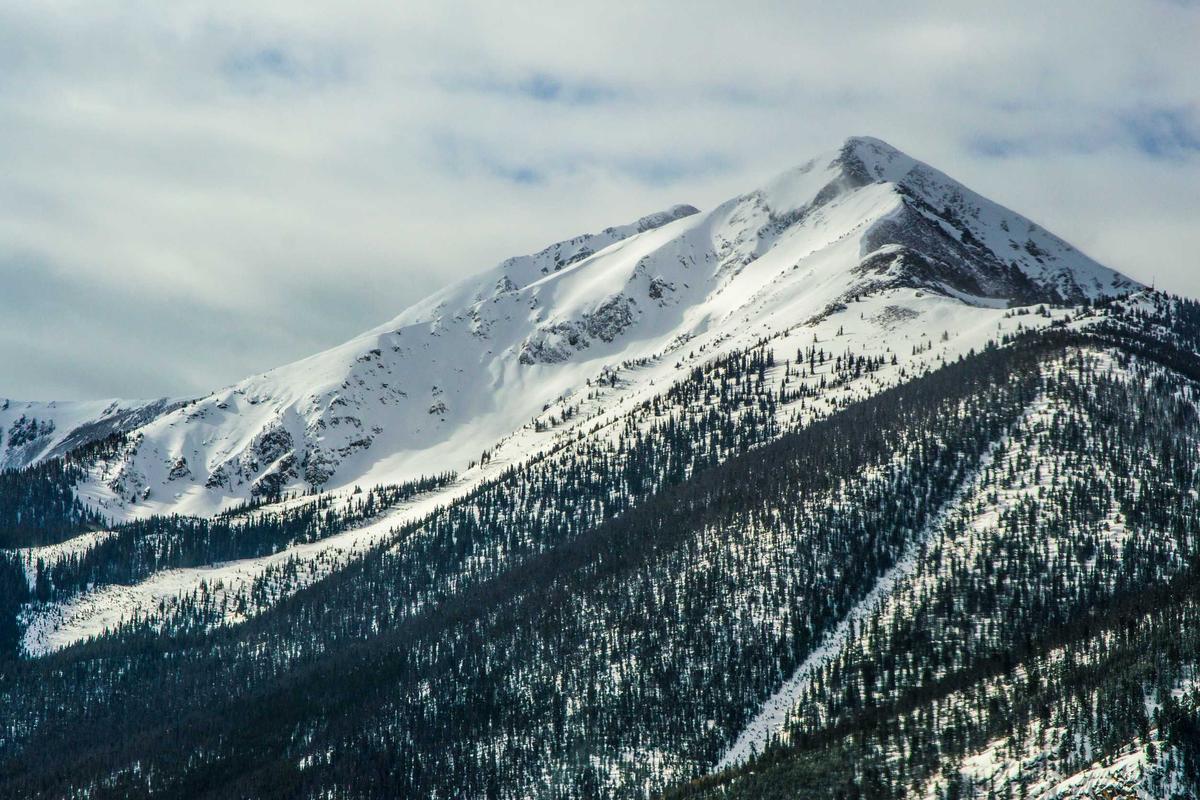
The captives, predominantly women and children, were held in a network of caves and makeshift structures at an altitude exceeding 1,500 metres. Military intelligence indicates that the stronghold served as a key logistics hub and training camp for the Islamist group. Survivor testimony describes a regime of forced labour, servitude, and ideological indoctrination. Many had been held for over two years, their families unaware of their fate.
Brigadier General Musa Ibrahim, who led the ground assault, confirmed that 127 militants were neutralised in the operation, with 35 captured. Among the recovered materiel were heavy machine guns, rocket-propelled grenades, and a substantial cache of improvised explosive devices. The success of the operation is attributed to a combination of aerial surveillance, real-time satellite imagery, and ground reconnaissance by local informants.
The human cost of this conflict, now in its thirteenth year, is staggering. Over 35,000 civilians have been killed, and more than two million displaced. The Lake Chad region, where Boko Haram and its splinter group, Islamic State West Africa Province, operate, has become a crucible of humanitarian suffering. The latest rescue, while significant, is a drop in an ocean of need. The International Committee of the Red Cross estimates that over 10,000 people remain in captivity across the region.
From a strategic perspective, this operation signals a shift in capability. The Nigerian military has invested heavily in counter-insurgency training and equipment following the 2014 abduction of 276 schoolgirls from Chibok. That event, which galvanised global outrage, prompted a reassessment of tactics. The integration of special forces, increased cooperation with neighbouring states, and the use of unmanned aerial vehicles have slowly eroded the insurgents' freedom of movement.
Yet, the underlying drivers of extremism remain unaddressed. The Boko Haram insurgency is a symptom of deeper societal fractures: poverty, lack of education, and systemic corruption. The Mandara Mountains offer a natural fortress, and the porous borders of the Sahel provide endless escape routes. For every stronghold dismantled, another may emerge. The peace dividend must extend beyond military victories, requiring investment in the regions ravaged by years of neglect.
For the freed captives, the road to recovery is long. Initial medical reports indicate widespread malnutrition, untreated injuries, and psychological trauma. The Nigerian government has pledged resources for rehabilitation, but the scale of need dwarfs available capacity. International agencies, already stretched, are mobilising to provide emergency care. The United Nations has called for continued support, warning that the freed individuals face a precarious transition.
This victory is a testament to the resilience of the human spirit and the professionalism of the troops involved. But it is also a reminder that the war against terror in the Sahel is far from over. The physical reality of the world, as measured in megawatts of resolve and calories of compassion, must be sufficient to sustain the effort.
As dawn broke over the rescued, one child, no more than five years old, was seen clinging to a soldier's hand, clutching a small doll. It is a stark symbol of the innocents caught in these tectonic shifts of violence. The data points to a path, but the journey through the mountains of human suffering requires a steady and sure pace.