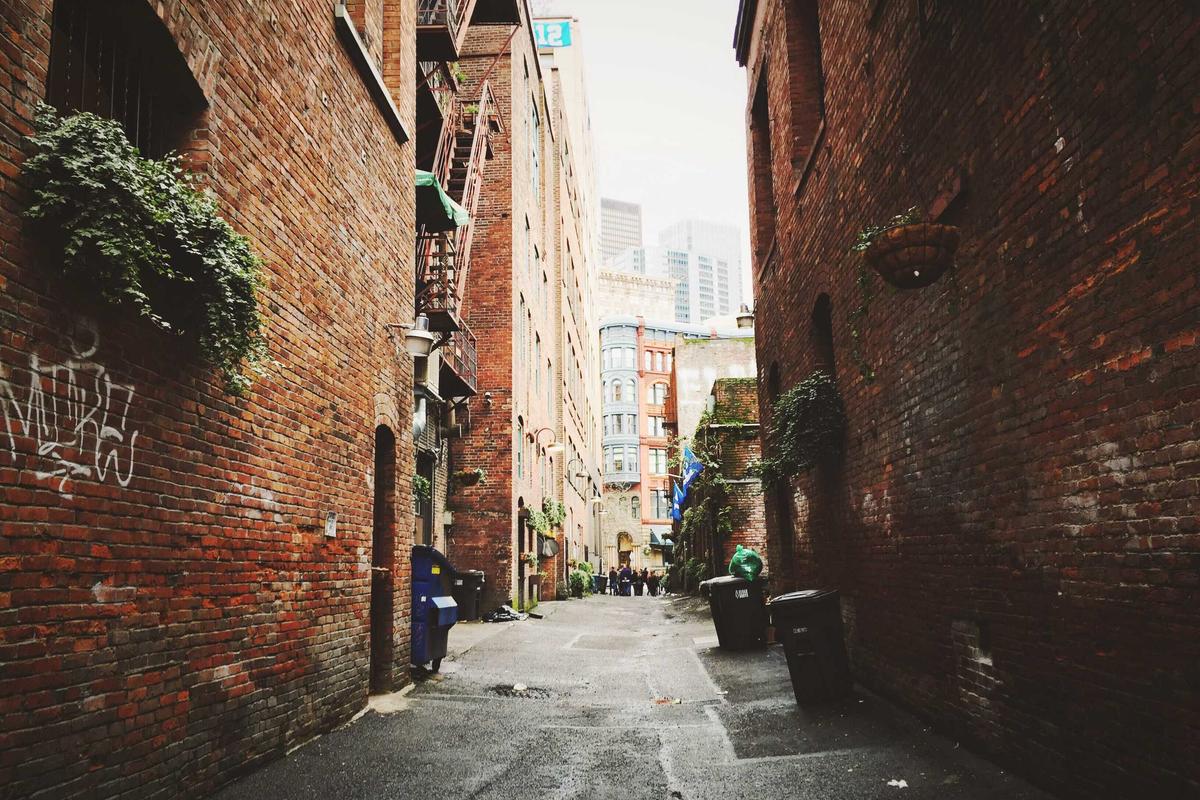
The smoke had barely cleared from the streets of east Belfast on Thursday morning when the recriminations began. Residents emerged to survey the damage. A burnt-out bus. Rubbish bins reduced to twisted metal. Graffiti scrawled on a community centre wall. The violence that erupted overnight was not spontaneous. It was orchestrated. Sources on the ground tell me loyalist factions have been mobilising for weeks. The trigger? A combination of Brexit fallout, political deadlock at Stormont, and a simmering resentment over the Northern Ireland Protocol. But this is about more than trade arrangements. This is raw, visceral anger. A community feels abandoned. And when people feel abandoned, they burn things.
One woman I spoke to, her voice still trembling, described watching her home go up in flames. “I will never get over watching my home burn,” she said. Her eyes were red. She clutched a photograph of her children. She had lived in that terraced house for 20 years. Now it’s gone. The police say they are investigating. But the damage goes beyond bricks and mortar. The psychological scars are deep. This is a community that has seen its share of trouble. The Good Friday Agreement brought peace, but not prosperity. The protocol, designed to prevent a hard border with Ireland, has instead created a border in the Irish Sea. Unionists feel cut adrift. Loyalists feel their identity is under threat.
Inside the corridors of power, the reaction has been predictable. The Prime Minister called for calm. The First Minister blamed the protocol. The Irish Taoiseach blamed the Brexit deal. But none of them were on the streets last night. None of them had to explain to their children why they could no longer go to the park. The real question is: what comes next? I am told by a senior Whitehall source that the government is scrambling. They know the protocol is not working. But they also know reopening it could unravel the entire Brexit agreement. There is no easy way out.
The polling data is stark. Support for the union is at its lowest among young people. The demographic clock is ticking. Unionism is ageing. Meanwhile, nationalist parties are gaining ground. This is not just a crisis of governance. It is a crisis of identity. And identity is a fire that burns long after the flames are out.
For now, Belfast is quiet. The army has not been called in. But the tension is palpable. I spoke to a community worker who has spent decades building bridges. He was near tears. “This is the worst I’ve seen since the Troubles,” he said. “And I’m terrified it will get worse.” The next few weeks will be critical. The government is under pressure to act. But action requires consensus. And consensus is in short supply.
I will be watching the shifts in the lobby. Listening for whispers of a cabinet split. The backbench Tories are restless. Some are calling for the protocol to be scrapped. Others fear the consequences. The DUP is playing hardball. They know they hold the balance of power at Stormont. They will use it.
The tragedy is that the people who suffered most last night are the ones with the least power. They did not vote for the protocol. They did not ask for this. They just want to live in peace. But peace is a fragile thing. It can be shattered in a single night. And once shattered, it is hard to rebuild.
This is Eleanor Rigby, Political Bureau Chief, for the Daily Record.