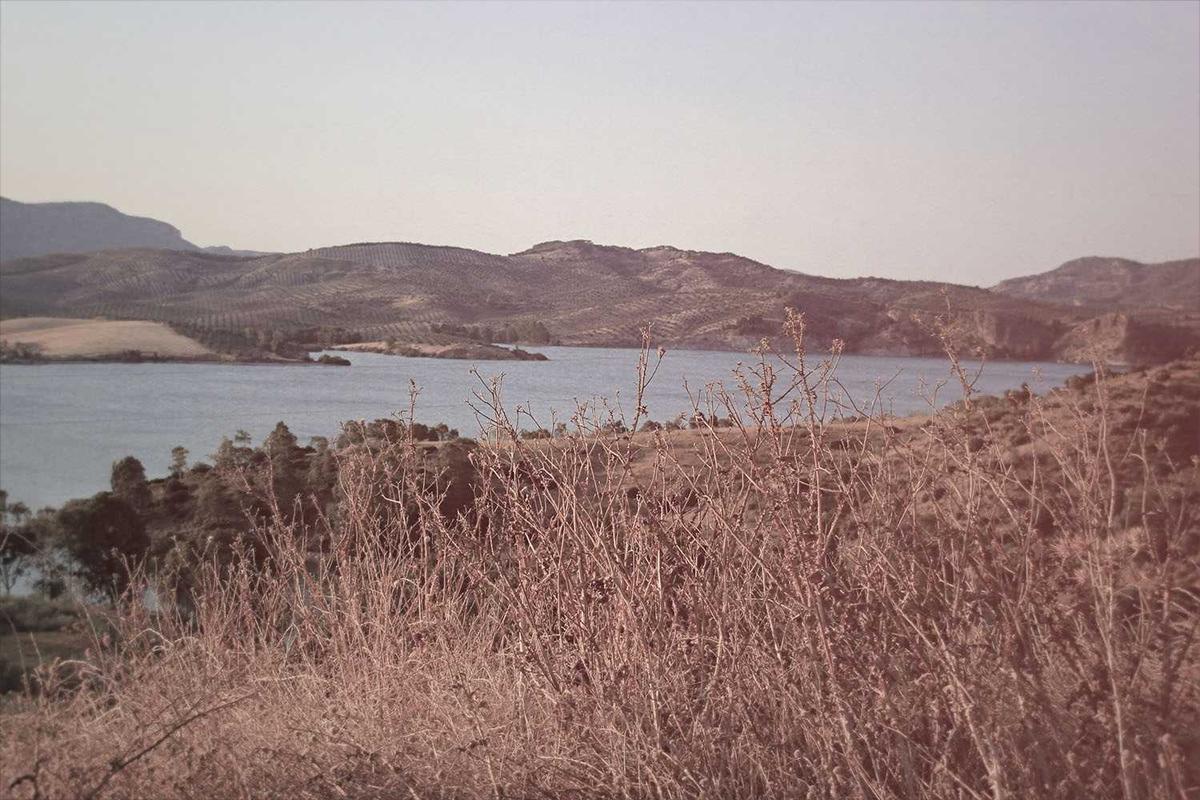
Where the coastline of North Sumatra meets the sea, a dense, tangled green is slowly pushing back against the sky. For decades, this boundary was a scar. Mangrove forests, the great carbon-sucking guardians of the tropics, were felled in droves for shrimp farms and palm oil plantations.
Now, amid the global panic over climate change, a quieter, more hopeful story is unfolding. Communities that once stripped the land bare are planting it back. The re-greening of the mangrove belt is not just an ecological win, it is a lesson in human folly and atonement.
To walk through a restored mangrove is to feel the weight of a generation's mistake lifting. The air is thick with the smell of brine and rotting leaves, a pungent signature of life. The nets of the fishermen, once empty, hold promise again.
But it is the carbon, trapped in the waterlogged roots, that makes scientists dream. These soggy forests can store carbon four times faster than a rainforest. The global push for net-zero has finally noticed.
Money is flowing in, from Norway, from the World Bank. Yet the real shift is cultural. The men who once slashed and burned now guard the saplings with a fierce pride.
They have rediscovered an ancient knowledge: that mangrove is the mother of the sea. The scale of restoration is still a fraction of what was lost, but the trajectory has reversed. For the first time in a generation, the mangroves are winning.
This is not just a carbon offset, it is a human recalibration, a muddy, stubborn hope.