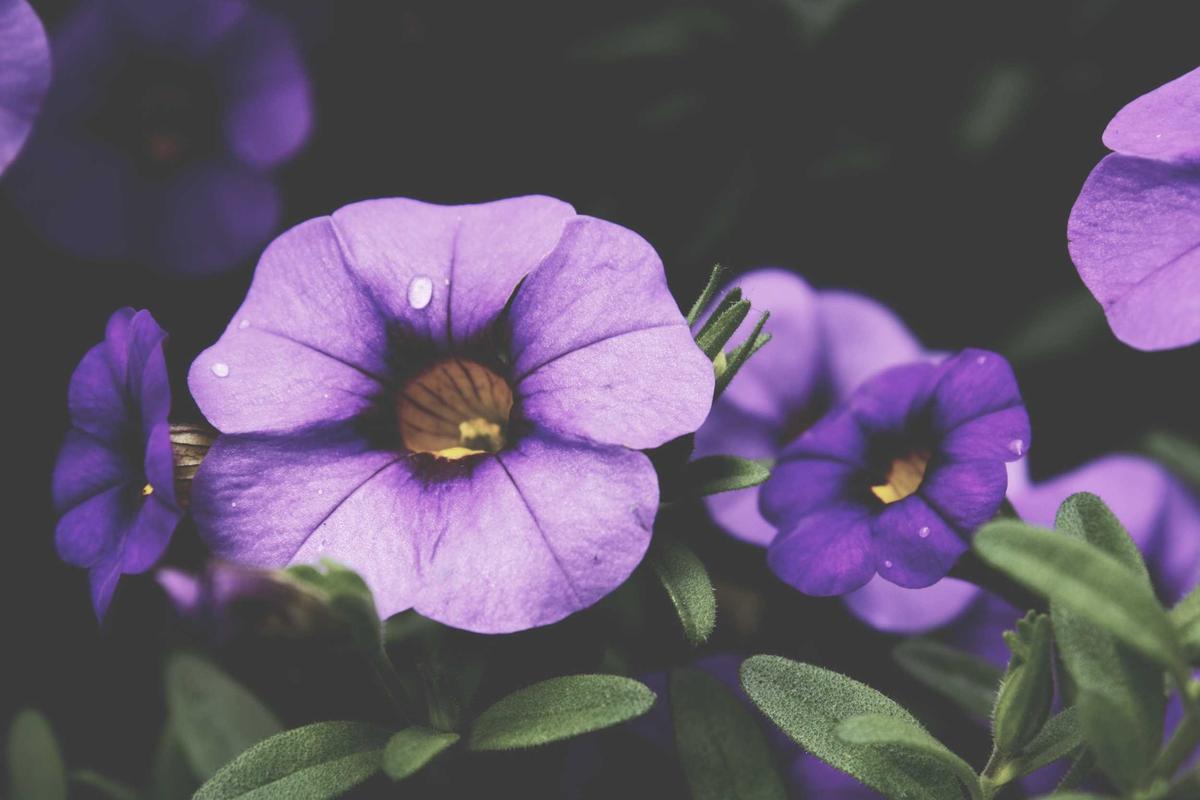
A new category of beverages is emerging in India, built around the country’s domestically cultivated butterfly pea flower, marketed as ‘blue gold’. The flower, known locally as aparajita, yields a vivid blue colouring that is neutral in taste but rich in antioxidants. A growing number of startups are using it to produce colour-changing teas, cocktails and soft drinks, capitalising on consumer demand for natural ingredients and Instagram-friendly aesthetics.
Industry analysts estimate the Indian functional beverage market could be worth $4 billion by 2026, with butterfly pea flower products occupying a niche but expanding segment. Producers are developing partnerships with British exporters to supply the flower extract to the United Kingdom, where interest in natural colourants and botanical infusions is rising.
British firms, facing post-Brexit trade barriers in European markets, are increasingly looking to India for new supply chains. The UK’s Food and Drink Federation reported a 12 per cent increase in food and drink exports to India in the past year, with natural extracts among the fastest-growing categories.
Regulatory hurdles remain. Butterfly pea flower is not yet approved as a novel food in the European Union, but UK authorities have signalled a more flexible approach. The UK Food Standards Agency is reviewing its classification, which could open the door for larger-scale imports.
Amid this commercial activity, questions of intellectual property and fair trade have surfaced. The flower has been used in traditional Indian medicine and cuisine for centuries. Farmer cooperatives in states such as Kerala and West Bengal are seeking certification schemes to ensure royalties flow back to growers.
The British high commission in New Delhi is facilitating trade delegations to connect UK buyers with Indian processors. A spokesperson said the partnership aligns with the UK’s Indo-Pacific tilt and post-Brexit strategy of diversifying trade relationships.
Analysts caution that the ‘blue gold’ trend could face the same boom-bust cycle seen with other superfoods such as quinoa or açai. Overreliance on a single ingredient for visual novelty may limit long-term growth. Nevertheless, the current trajectory suggests a durable market for natural colourants as consumers move away from synthetic dyes.
“This is not just a fad,” said a senior analyst at a Mumbai-based consultancy. “The functional beverage sector has legs. What remains to be seen is how well the supply chain can scale without degrading the resource base or excluding traditional growers.”
For now, immediate opportunities lie in premium, small-batch products that command higher margins. UK-based spirits companies are experimenting with butterfly pea flower gin, while Indian tea brands are launching colour-changing blends aimed at export markets.
The full economic impact will depend on regulatory decisions in both countries. If the UK grants novel food status, imports could rise sharply. If not, the industry may remain confined to domestic and niche export channels.