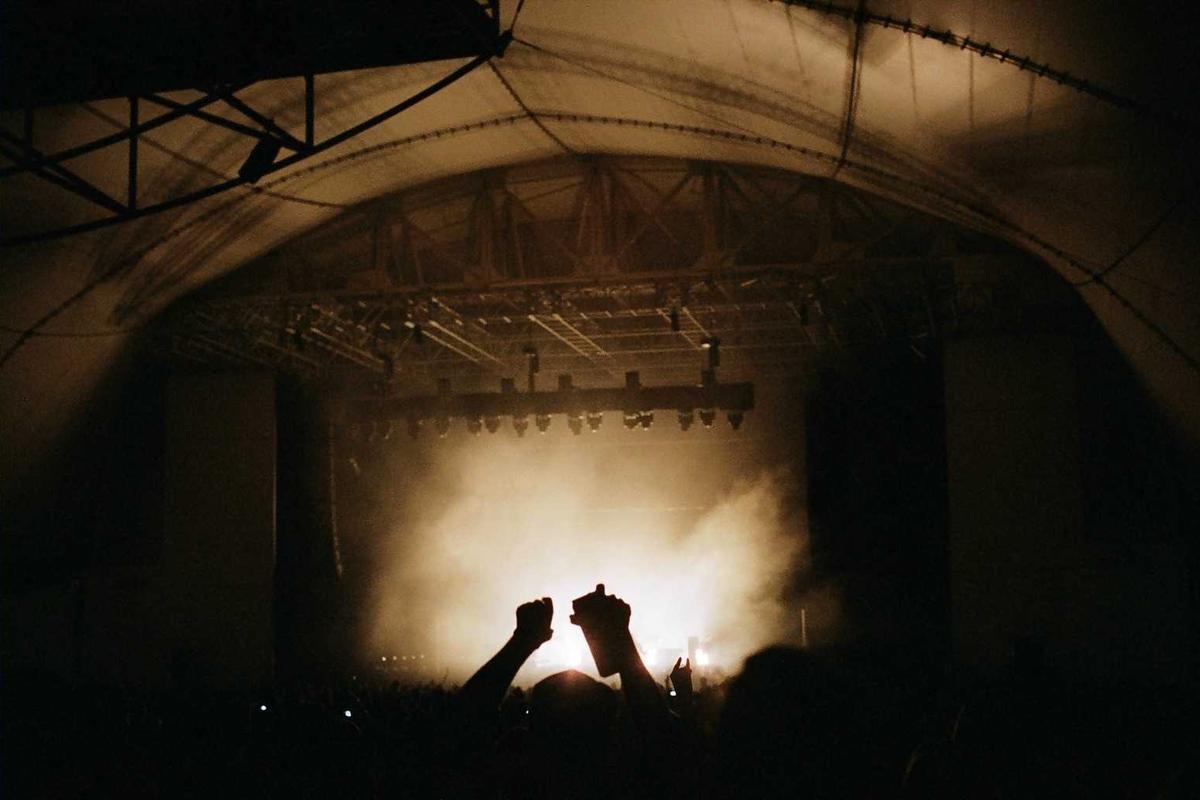
The iconic Azteca Stadium looms over Mexico City, a concrete coliseum poised to host the World Cup’s opening ceremony in just hours. But beneath the fanfare and flags, a digital nervous system is vibrating with tension. This is not your grandfather’s tournament. The security apparatus here is a fusion of legacy hardware and bleeding-edge software: facial recognition cameras, drone jammers, and a command centre that feels more like a tech startup war room than a sports venue. The question is whether this machine can hold the line against a spectre of threats that have grown as complex as the code that underpins them.
Inside the stadium, workers are making final adjustments to a network of infrared sensors and AI-driven analytics platforms. Each camera is a node in a sprawling surveillance Web, feeding data into a centralised platform that can identify suspicious behaviour with algorithmic precision. The system is designed to detect anything from abandoned bags to crowd surges, using machine learning models trained on years of match-day data. But as any cybersecurity expert will tell you, a system is only as strong as its weakest link. And here, the weakest link might be the very technology designed to protect us.
The command centre is a study in controlled chaos. Banks of monitors display live feeds from every angle of the stadium, alongside social media scraping tools that monitor for chatter about potential threats. The operators wear earpieces, speaking in hushed tones about ‘anomalies’ and ‘false positives’. One screen shows a thermal map of the pitch, another a real-time graph of network traffic. The system is a beautiful, terrifying symphony of data. But there is a darker chord beneath the melody.
Three weeks ago, a penetration test revealed a vulnerability in the stadium’s access control system. A white-hat hacker managed to clone a staff badge using a simple RFID reader, a flaw that has since been ‘patched’. But the patch is software, and software is never perfect. The real concern is that the very infrastructure designed to keep fans safe could be turned against them. A coordinated cyberattack could cripple the turnstiles, scramble the surveillance feeds, or worse. The ghost of Stuxnet lingers in the air.
Outside, the security perimeter is a physical manifestation of the same anxieties. Thousands of police and private security personnel form a human firewall around the stadium. But they are supplemented by something new: a fleet of autonomous drones that hum overhead, their cameras feeding into the same neural network as the fixed installations. The drones are a marvel of engineering, but they also raise questions of privacy and accountability. Who watches the watchmen? In this case, an algorithm that could make a split-second decision about what constitutes a threat.
The fans are starting to arrive, a slow trickle that will become a flood by kickoff. They are scanned, patted down, and funneled through metal detectors. Their faces are photographed and checked against databases of known troublemakers. For most, this is a minor inconvenience. But for a security state, it is a necessary ritual. The World Cup is a stage for both glory and disaster, and the Azteca Stadium is a microcosm of a world struggling to balance openness with the imperative of safety.
The greatest fear is not the lone wolf with a bomb, but the cascading failure of the system itself. A denial-of-service attack on the network could blind the command centre at a critical moment. A false alarm from an AI model could trigger a panic that causes more harm than any actual threat. The modern security apparatus is a house of cards held together by fibre optic cables and code. And as the world watches, we are all participants in a live experiment on the resilience of digital civilization.
As the sun sets over Mexico City, the floodlights flicker on, casting long shadows across the pitch. The stadium is a cathedral of sport, but also a fortress of bits and bytes. The match will be decided on the field, but the outcome of this tournament will be shaped by the invisible infrastructure that surrounds it. The technology is brilliant, but flawed. The security is robust, but fragile. And the fans, oblivious, will cheer on their teams while the digital guardians hold their breath.