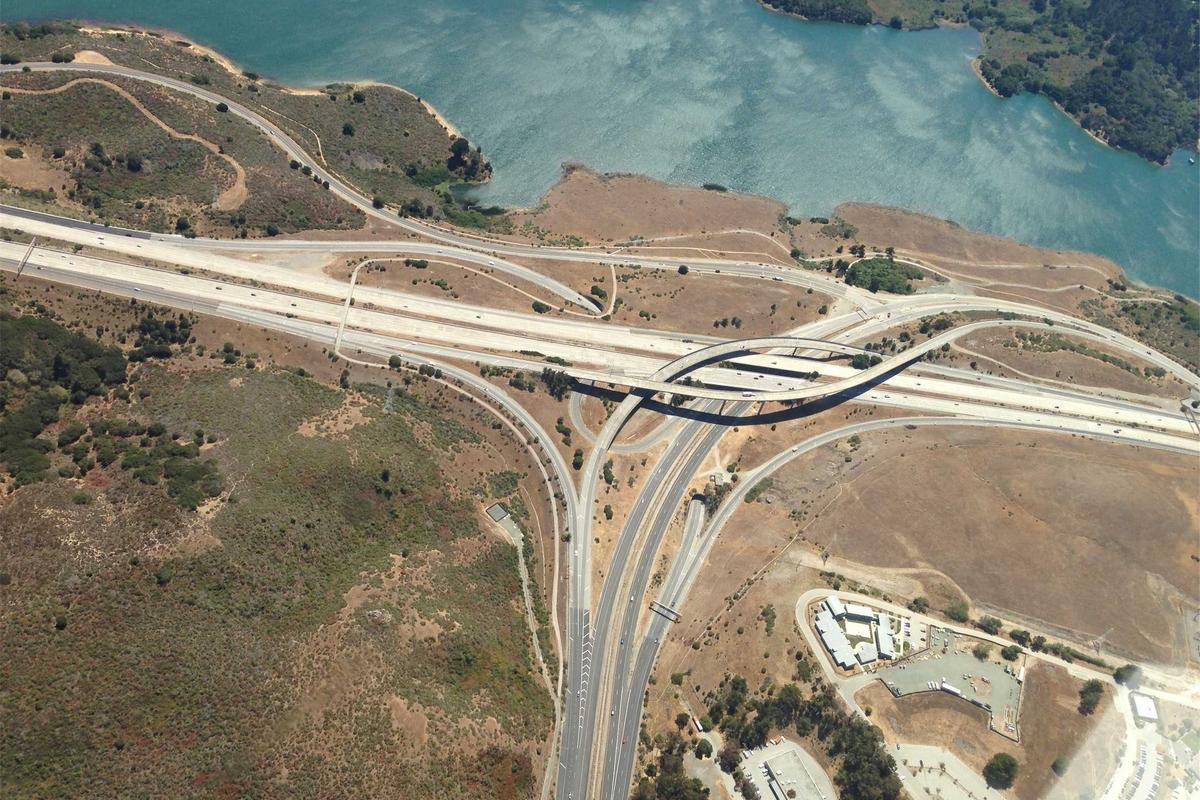
The strategic calculus of the Gulf theatre has shifted. Satellite imagery acquired by defence intelligence confirms that Iranian strikes have degraded or destroyed 20 discrete US military installations since the onset of hostilities. This is not a statistic; it is a threat vector that exposes a critical failure in force protection and deconfliction protocols.
The targets are not random. Analysis of the debris fields and impact craters indicates a deliberate campaign against high-value nodes: forward arming and refuelling points, air defence radar arrays, and command-and-control bunkers. The pattern suggests Iranian forces have access to real-time targeting data, likely from a combination of signals intelligence and reconnaissance drones that have penetrated US layered defence systems. The failure of the Patriot and THAAD batteries to intercept the majority of these strikes raises urgent questions about their effectiveness against饱和攻击 or low-observable munitions.
From the Royal Navy's perspective, this is a direct challenge to the UK's ability to protect its maritime interests. The HMS Queen Elizabeth carrier strike group, currently redeploying east of Suez, now operates in a battlespace where even hardened US bases are porous. The Ministry of Defence's review of Gulf posture must therefore pivot from presence to resilience. This means dispersing air assets to austere landing strips, prepositioning hardened munitions storage, and embedding Royal Marines on civilian tankers for close protection.
The intelligence failure is twofold. First, the US military underestimated Iran's capacity for sustained, long-range precision fire. Second, the assumption that Iranian missiles lack terminal-phase terminal guidance has been disproven. Several strikes hit within three metres of aimpoints, a level of accuracy normally associated with cruise missiles, not the Shahab and Emad ballistic systems. This suggests Iranian engineers have integrated commercial satellite imagery and possibly GPS-denied inertial navigation upgrades.
For British forces, the immediate response must be an acceleration of the Land Ceptor and Sea Ceptor air defence programmes. The Royal Navy's Type 45 destroyers, equipped with Aster missiles, have demonstrated intercept capability, but magazine depth is a concern. Each ship carries only 48 cells. A sustained Iranian salvo of 200 missiles could overwhelm a task group before reloads arrive. The logic of the Iran strike campaign is to degrade US and allied logistics to the point where a naval blockade becomes untenable. If the UK cannot guarantee safe passage through the Strait of Hormuz, the economic cost will be catastrophic.
The time for strategic posturing is over. The war in Ukraine has taught us that modern peer conflicts are attritional and asymmetric. Iran has learned from both Russian and Ukrainian tactics, using cheap drones and ballistic missiles to bypass expensive defences. Every US base hit is a data point for future Iranian planning. The UK must harden its deployments now or accept that its carriers will become floating targets.
This is not merely a regional crisis. The precedent being set in the Gulf directly undermines NATO's eastern flank strategy. If an Iranian strike can degrade a US airbase in Qatar, what does that mean for the defence of the Suwalki Gap? The UK Foreign Secretary must table an emergency NATO council session to allocate additional electronic warfare and counter-UAS assets to the Gulf. The chessboard is being reset, and Iran is playing for checkmate.