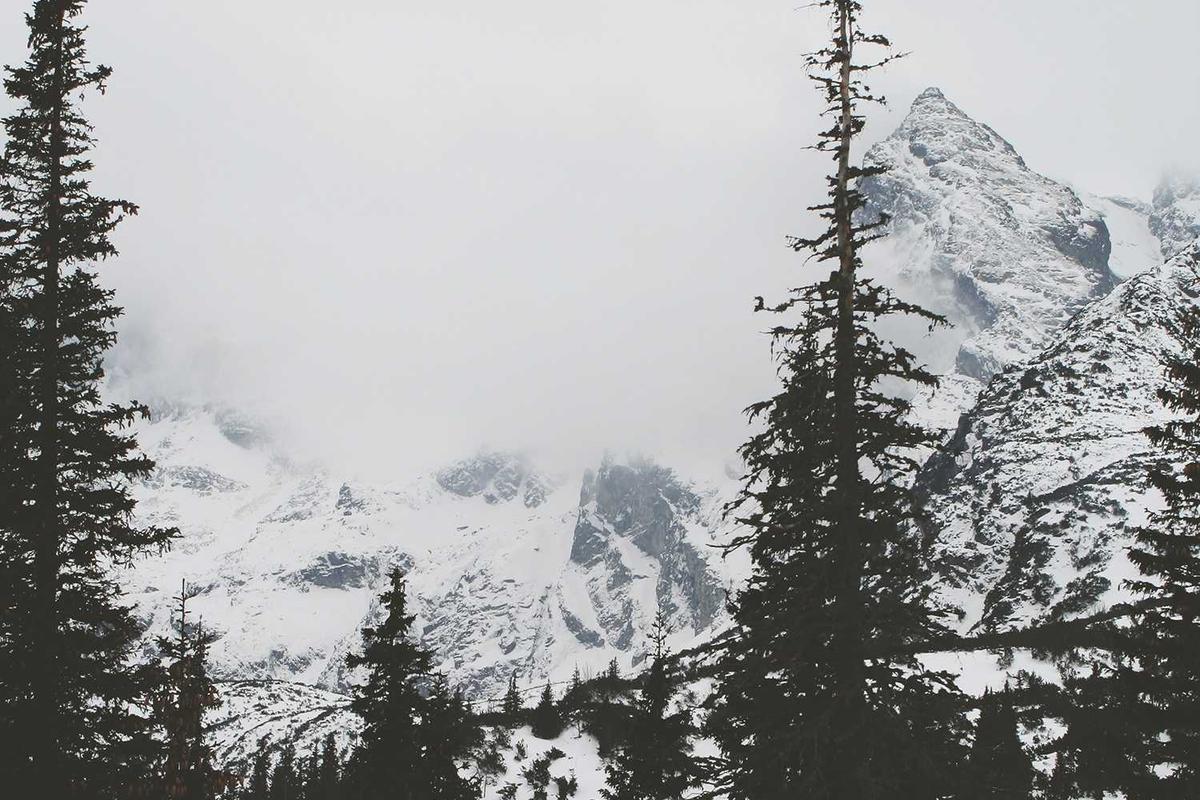
In a development that has sent ripples through transatlantic diplomatic channels, US Vice President JD Vance has been photographed at a luxury Swiss resort alongside Iranian officials. The meeting, which took place at the Grand Hotel des Alpes in St. Moritz, has prompted the UK Foreign Office to issue a carefully worded statement questioning the transparency of American negotiation tactics.
According to sources briefed on the encounter, the talks were intended to address the impasse over Iran's enriched uranium stockpile, which now stands at 4,500 kilograms according to the International Atomic Energy Agency (IAEA). This is 15 times the limit set by the 2015 Joint Comprehensive Plan of Action. The choice of venue a five-star resort with ski slopes and a Michelin-starred restaurant has raised eyebrows among European diplomats accustomed to more austere settings for nuclear negotiations.
"The optics are concerning," said a UK Foreign Office spokesperson who requested anonymity due to the sensitivity of the matter. "We were not informed of this meeting in advance. While we welcome any genuine effort to de-escalate tensions, there are protocols that should be followed among allies."
This is not the first time the Trump administration has bypassed traditional diplomatic channels. In 2018, former National Security Advisor John Bolton held secret talks with North Korean officials in Singapore without prior consultation with European partners. The pattern suggests a deliberate strategy of unilateralism that has strained relationships with key NATO allies.
The physics of nuclear proliferation are unforgiving. Iran's enrichment levels, now at 60% purity, are just a short technical step from weapons-grade material (90% enrichment). As a physicist, I can tell you that the time to breakout using the current stockpile is estimated at two to three weeks, according to the most recent IAEA safeguards report. Every day of delay in reaching a verifiable agreement increases the risk of a cascade event in the Middle East, where Saudi Arabia, Turkey, and the UAE have all signaled their intent to pursue nuclear energy programmes.
The Swiss resort meeting comes at a particularly volatile moment. Iran has been engaging in "nuclear brinkmanship," inching closer to weapons capability while demanding sanctions relief. The Trump administration has pursued a 'maximum pressure' campaign, but critics argue that this approach has only pushed Iran to accelerate its enrichment programme. Germany's Foreign Minister Annalena Baerbock described the situation as a "slow-motion crisis" during a press conference in Berlin last week.
What makes the Swiss meeting especially problematic from a scientific perspective is the lack of technical verification measures. Any nuclear agreement must be backed by robust monitoring, including continuous IAEA access to all facilities and satellite surveillance of suspicious sites. The photographs from St. Moritz show Vance and Iranian Foreign Minister Hossein Amir-Abdollahian seated at a table with no visible technical briefcases or documents, suggesting these were high-level political discussions rather than detailed technical negotiations.
Environmental implications compound the urgency. Iran's nuclear facilities, particularly the underground Fordow enrichment plant, are located in seismically active regions. A nuclear accident in such a setting could release radioactive contaminants into the atmosphere, affecting neighbouring countries and potentially the entire Northern Hemisphere. The Chernobyl exclusion zone stands as a grim reminder of how long such damage persists over 35 years and still counting.
The UK has historically played a mediating role in Iran nuclear talks, alongside France and Germany (the E3). Their exclusion from this round suggests a breakdown in the very diplomatic architecture that produced the 2015 deal. "The days of nuclear diplomacy through the E3 are not over," insisted a French diplomatic source. "But they are clearly under pressure."
As scientists and policymakers parse the implications of this clandestine summit, one thing is clear: the window for a diplomatic solution is closing. The Earth's atmosphere does not recognize political boundaries, nor does the half-life of enriched uranium. The coming weeks will determine whether the Swiss resort talks represent a genuine breakthrough or another misstep in a decades-long crisis that has brought the world closer to the brink of nuclear catastrophe.