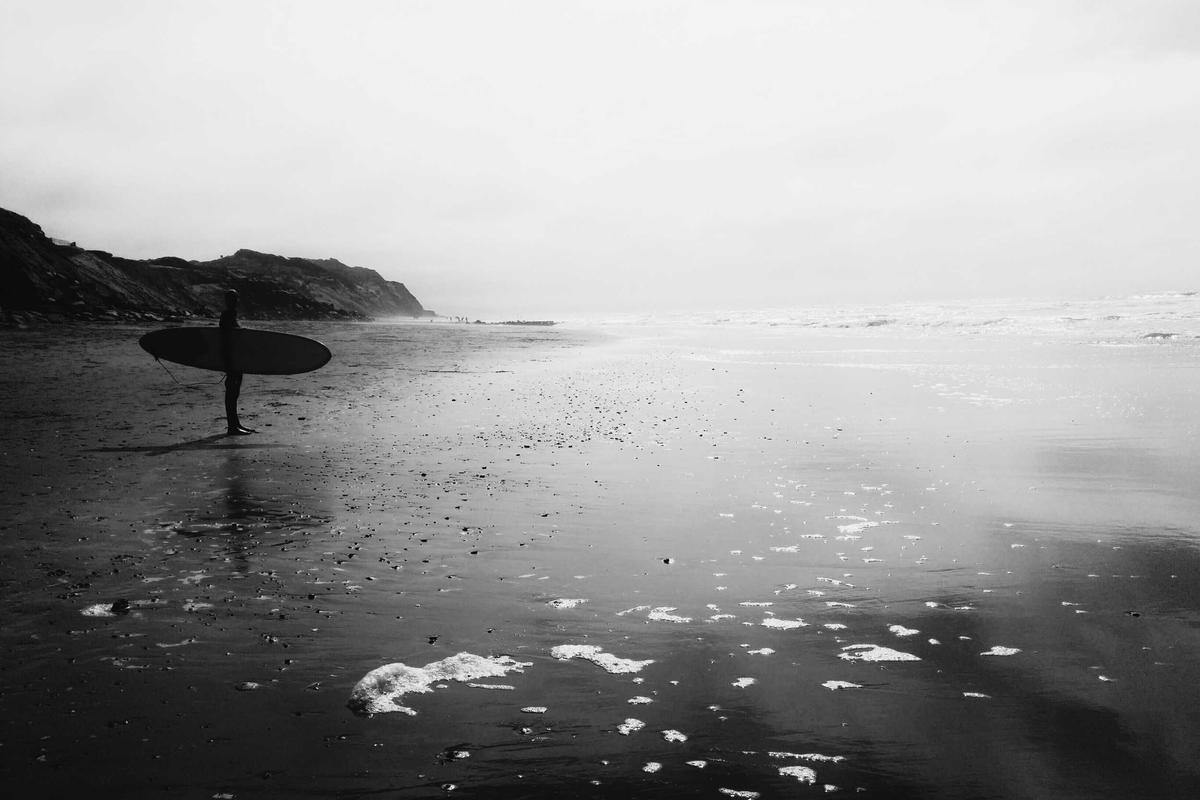
The UK’s Kent coast has been placed on high alert following a rare and vicious shark attack off Sydney, Australia, which left a British tourist in a coma. The victim, 32-year-old Liam Stokes from Canterbury, has now woken from an induced coma at St Vincent’s Hospital in Sydney, where he is recovering from severe lacerations to his leg and torso. The attack, which occurred on Monday morning at the popular Bondi Beach, has triggered a coordinated response from Kent’s coastal authorities, who are reviewing safety protocols amid a global rise in shark encounters.
Dr. Helena Vance, Science & Climate Correspondent, reports: "This incident is a stark reminder that our oceans are changing. We are seeing a measurable shift in marine predator behaviour, linked directly to warming sea temperatures and altered prey distribution. The UK is not immune to this trend."
The attack has prompted the Kent Resilience Forum, which includes the Environment Agency, HM Coastguard, and local councils, to hold an emergency meeting. They are assessing the risk along Kent’s 350-mile coastline, from Margate to Dungeness. While shark attacks in UK waters are extremely rare, with only two recorded in the past 200 years, the warming of the North Sea and English Channel is creating new habitats for species such as the blue shark and porbeagle, which can grow up to 3.5 metres.
Dr. Vance explains: "The scientific community has been warning for years that biodiversity reshuffling would include apex predators. As the Gulf Stream influences our waters, we are seeing an influx of temperate and subtropical species. The North Sea has warmed by 0.3°C per decade since the 1980s. That might sound small, but for a system that has been stable for millennia, it represents a fundamental ecological shift."
Local fishermen have reported increased sightings of larger sharks in recent years, including a 2-metre porbeagle caught off Hastings last summer. This has led to calls for renewed investment in shark monitoring and public education. The Shark Trust, a UK-based charity, has urged calm, stating that the risk remains "negligible" but that beachgoers should avoid swimming at dawn and dusk, and not enter the water with open wounds.
Liam Stokes’ family released a statement thanking the medics and surfers who saved him. "We are relieved but know the road to recovery is long. We hope this raises awareness of the fragility of our connection to nature."
The Kent alert comes as scientists at the University of Southampton launch a new study using satellite tags to track shark movements in the Channel. Dr. Vance notes: "This is research with practical urgency. We need real-time data to calibrate our response. Every degree of warming changes the risk profile."
As the climate continues to shift, the question is not if but when these interactions will become more frequent. For now, Kent’s beaches remain open, but with an added sense of vigilance. The ocean, as Dr. Vance puts it, "is not a static entity. It is a dynamic system responding to our actions. We ignore that at our peril."