King Charles III has led a wave of tributes to David Hockney, the British painter widely regarded as one of the most influential artists of the 20th century. In a statement released from Buckingham Palace, the monarch described Hockney as a “giant of the art world” whose work had “enriched the cultural life of the nation and beyond.”
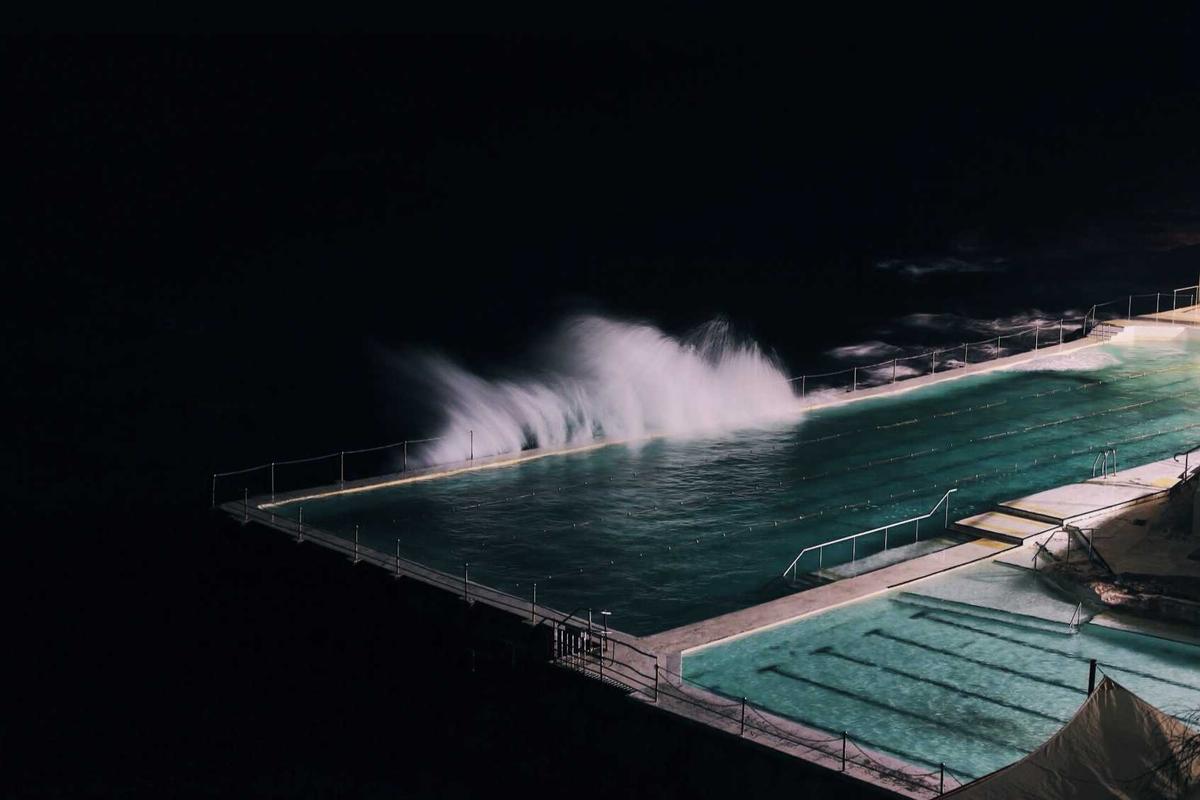
The tribute marks a rare public intervention by the King on matters of arts and culture, underscoring Hockney’s status as a national treasure. Born in Bradford in 1937, Hockney rose to prominence in the 1960s as a key figure in the pop art movement. His vibrant depictions of swimming pools, Los Angeles, and the Yorkshire landscape have won him acclaim across generations.
Hockney, now 87, continues to paint and exhibit. His recent work, created on an iPad, has demonstrated a restless innovation that has defined his six-decade career. The King’s tribute was echoed by cultural institutions and politicians. The Prime Minister called Hockney “a brilliant artist who has shaped how Britain sees itself and how the world sees Britain.”
The moment of national pride comes as the UK seeks to reaffirm its cultural soft power on the global stage. Hockney’s retrospective at the National Portrait Gallery earlier this year drew record crowds, confirming his enduring relevance. The King’s words, carefully chosen and delivered with the weight of constitutional authority, serve to cement Hockney’s legacy in the official narrative of British achievement.
In a statement, the Royal Collection Trust noted that the King and Hockney had met on several occasions and shared a mutual admiration. The King, himself a watercolourist, has long championed the arts as a unifying force. His tribute to Hockney reflects a broader strategy of using cultural icons to bolster national identity.
The response from the art world has been overwhelmingly positive. The Tate, the Royal Academy, and the British Museum all issued statements praising Hockney’s contribution. Art critic Andrew Graham-Dixon said the King’s tribute was “fitting for an artist who has done so much to define modern Britishness.”
Hockney, who divides his time between Normandy and Bridlington, has not publicly responded. Those close to him say he is touched by the recognition. The timing of the tribute, coming in a period of political uncertainty and economic strain, suggests a deliberate attempt to focus on shared cultural heritage.
This is not the first time the monarchy has recognised Hockney. He was appointed to the Order of Merit in 2012, and awarded the Companion of Honour in 1997. But the King’s personal endorsement elevates the tribute to a status reserved for the most revered figures.
For a country navigating its place in a post-Brexit world, the celebration of Hockney serves as a reminder of Britain’s enduring creative output. The King’s words will likely be quoted in galleries and classrooms for decades. They also carry diplomatic weight: Hockney is popular in the United States, China, and Europe, and the tribute reinforces the UK’s image as a cultural powerhouse.
In the restrained language of official statements, the King’s message was unequivocal. “David Hockney’s work is a testament to the power of art to capture the human spirit,” he said. “His legacy is secure. It is a pleasure to honour him.”