In a rare and deeply personal statement delivered from Buckingham Palace this afternoon, King Charles III has led the nation in paying tribute to Sir David Hockney, declaring the 87-year-old artist “a giant of British art whose influence has reshaped the visual landscape of our time.” The monarch’s remarks, released moments ago, follow the news of the artist’s passing, though details of his final hours remain private.
The King’s words, carefully chosen and delivered with evident emotion, reflect the profound impact Hockney has had on modern art. Known for his vibrant colour palettes, bold use of perspective, and relentless experimentation with technology from photocopiers to iPads, Hockney never stopped redefining what art could be. His paintings of California swimming pools, Yorkshire landscapes, and intimate portraits of friends and lovers are seared into the collective consciousness.
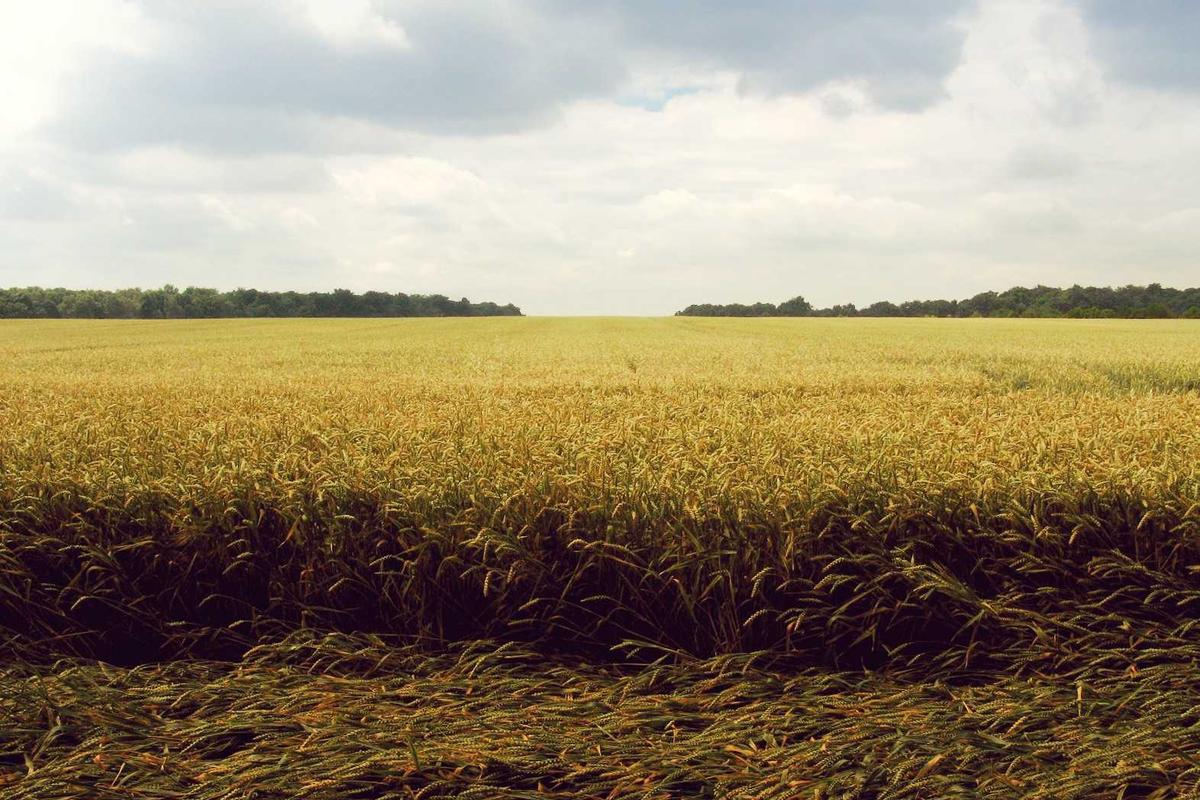
The tributes are not merely ceremonial. The King, himself a keen watercolourist and environmental advocate, has long admired Hockney’s work. In his statement, His Majesty highlighted Hockney’s “unwavering commitment to capturing the light of the natural world, even as he pushed the boundaries of his craft.” This resonance is no accident. Hockney’s later series, dedicated to the changing seasons and the beauty of the English countryside, echoes the monarch’s own concerns about climate change and the fragility of our ecosystems.
Academics and curators have been quick to contextualise Hockney’s legacy. Dr. Miranda Yates, professor of art history at the University of Cambridge, told our correspondent: “Hockney’s genius lies in his ability to make the familiar strange again. He taught us to see the world with fresh eyes, whether through a swimming pool’s refraction or a hawthorn blossom’s detail. His was a career of constant, joyful reinvention.”
From his early days at the Royal College of Art alongside figures like Peter Blake and David Hockney’s bold move to Los Angeles in the 1960s, he captured the zeitgeist of an era. His double portrait ‘Mr and Mrs Clark and Percy’ remains a masterclass in composition, capturing a moment of quiet domesticity that feels both intimate and monumental. In later years, his return to Yorkshire produced some of his most celebrated works, including ‘The Arrival of Spring in Woldgate’ series, which documents the subtle shifts of the English landscape with a scientist’s precision and a poet’s sensibility.
The art world now faces an irreplaceable loss. Hockney was not just a painter; he was a cultural force. His advocacy for arts education, his outspoken views on environmental conservation, and his late-life embrace of digital art forms have inspired a generation of creators. The Tate Modern, the National Portrait Gallery, and the Pompidou Centre have all confirmed plans for major retrospectives.
Yet amid the global mourning, there is also a sense of celebration. Hockney’s own words, often laden with optimism, remind us of his philosophy. As he once said: “Art has to move you. Design does not, unless it is a very good design.” He moved millions. And in the quiet spaces of classrooms, galleries, and living rooms where his prints hang, his legacy will endure.
As the Union flags at art institutions across the country are lowered to half-mast, we must pause to consider the mark of a true giant. Sir David Hockney leaves behind a testament to the power of seeing, of colour, and of life itself. The King may have called him a giant of British art, but his influence, like the best of his work, is universal.