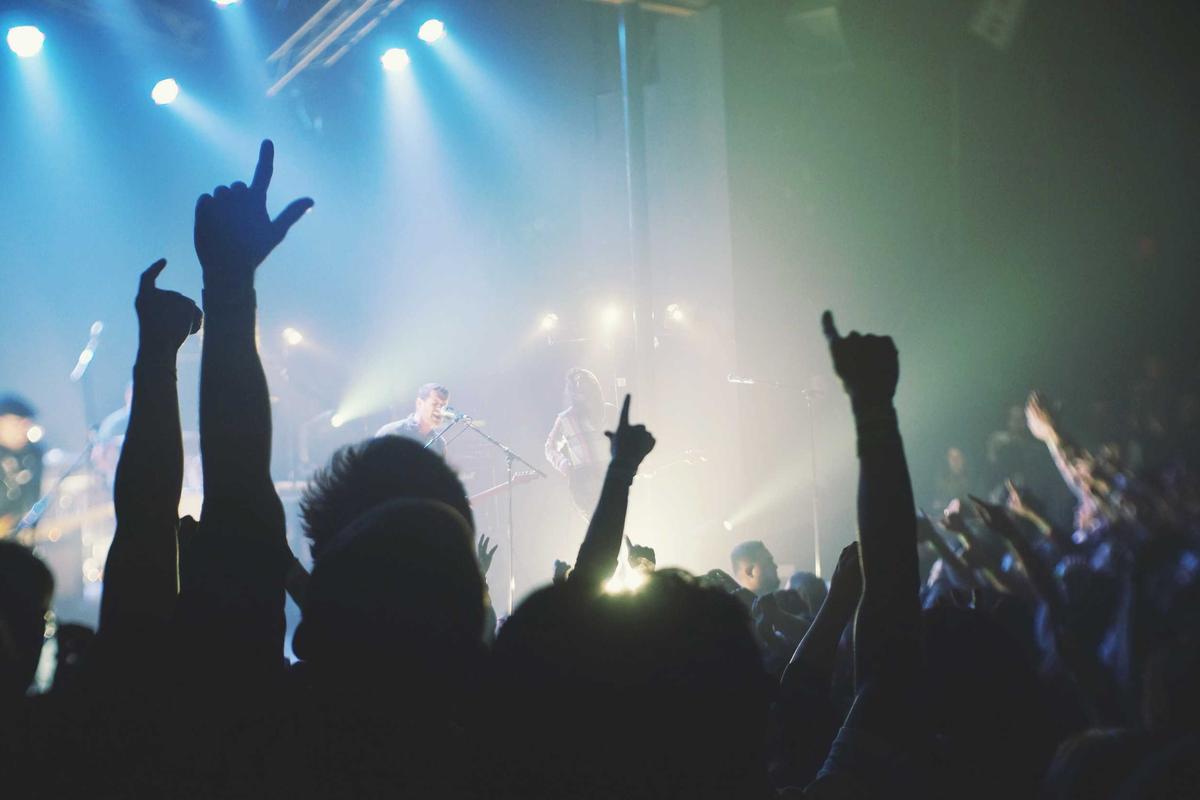
On a balmy evening in San Antonio, a strange sight unfolds: a sea of blue and orange huddled outside the AT&T Center. They are not locals. They are New Yorkers, displaced but defiant, who have travelled thousands of miles to watch their Knicks take on the Spurs. For many, this is no ordinary game. It is a pilgrimage. ‘Greatest day of my life,’ says Mike, a 34-year-old accountant from Queens, clutching a signed jersey. His eyes are wet. His voice cracks. And in that moment, he embodies something bigger than basketball: the enduring power of sporting alliances in a fragmented world.
These fans are part of a quiet diaspora. They move for work, for love, for cheaper rent, but they never really leave New York. Instead, they create mini-Manhattans in cities like Austin, Denver and San Antonio. They gather in sports bars, share streaming links and obsess over draft picks via group chats. The game itself becomes a proxy for home. When the Knicks win, it is validation. When they lose, it is a collective grief that only a true fan understands.
But why San Antonio? The Spurs are the Knicks’ spiritual antithesis: small-market, unflashy, relentless in their execution. Yet the final scoreboard tells a different story. The Knicks’ victory here feels like an upset, but for these fans, it is destiny. ‘We’ve been waiting since 1973,’ says Sarah, a graphic designer who flew in from Austin. She is referring to the team’s last championship. She was not alive then. Neither were most of these fans. But the memory is inherited, passed down like a family heirloom.
Social psychologists call this ‘vicarious nostalgia’ — the longing for a past you never experienced. It explains why grown adults weep over a ball bouncing through a hoop. It explains why a 34-year-old accountant calls this the greatest day of his life. These alliances are not rational. They are emotional punchlines to a joke only fans understand.
There is also a class dimension at play. The Knicks are the team of the everyman, the cab driver, the public school teacher. They are perpetually underfunded, overhyped and disappointing. Sound familiar? New Yorkers love a loser. They love the struggle. And when the underdog finally wins, even in a regular-season game in Texas, it feels like a collective triumph against the billionaire owners and the corporate suits.
Outside the arena, the celebration is raw and unscripted. Strangers hug. A middle-aged man does a victory lap around a lamppost. A woman in a Carmelo Anthony jersey cries into her boyfriend’s shoulder. ‘I called my dad,’ she says. ‘He’s 72 and cried too.’ This is the human cost of fandom: years of heartache, traded for one moment of pure joy. It is a gamble that never pays off. And yet they keep coming back.
As the night wears on, the fans disperse into the San Antonio heat. Some will fly home tomorrow. Others will return to their adopted cities, wearing their Knicks gear with a newfound swagger. For one evening, they were not transplants. They were part of a tribe. And in a world that feels increasingly disconnected, that is worth celebrating.