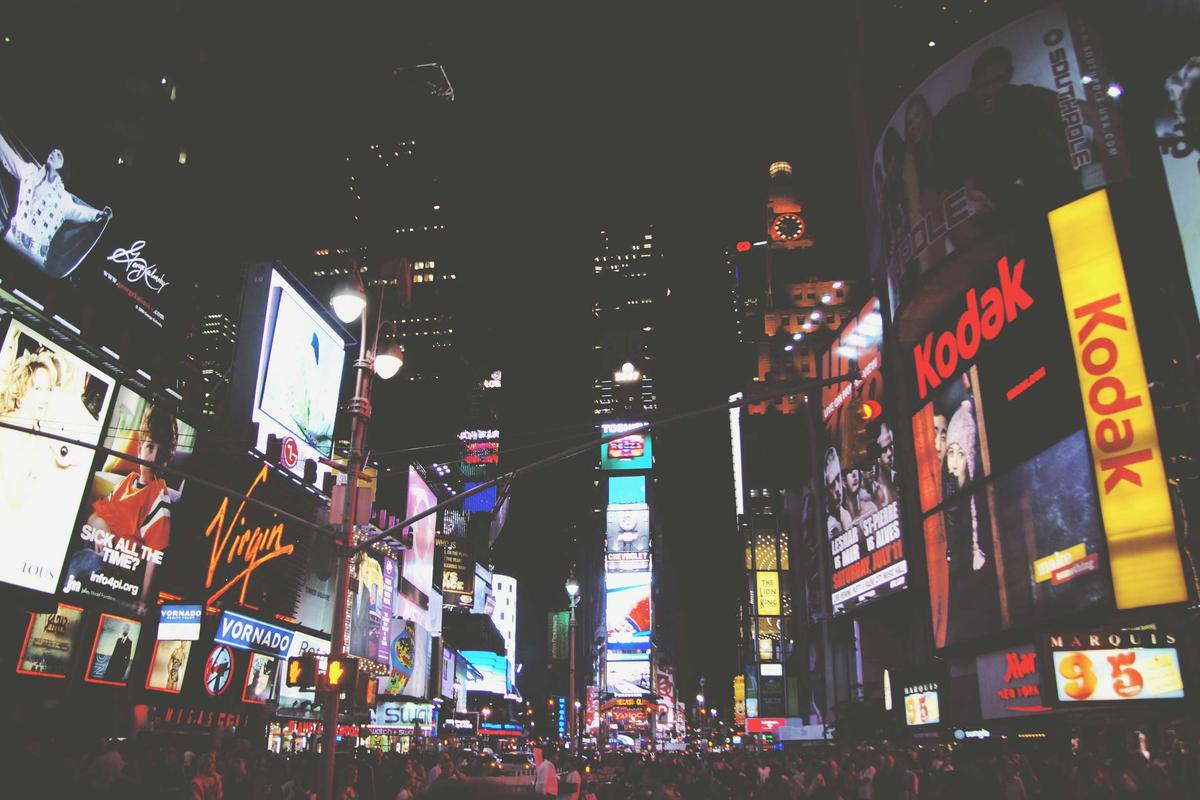
New York, 12 March. The Madison Square Garden arena was the scene of a stark contrast in atmospheres on Wednesday night, as the New York Knicks secured a thrilling victory against the Boston Celtics, sending the home crowd into a frenzy. Outside, a heavy security presence ordered by the Trump administration created a lockdown atmosphere more akin to a high-risk diplomatic summit than a basketball game. For British observers accustomed to the controlled, orderly nature of major sporting events, the juxtaposition of electric sporting triumph and institutional fortress pointed to deeper divisions in American public life.
The Knicks’ 112-108 win was a masterclass in clutch performance, with Jalen Brunson leading the scoring with 34 points. The stadium erupted with each basket, a cathartic release for a city that has endured a week of political turbulence. Yet, as fans streamed out onto Seventh Avenue, they were met with rows of armoured vehicles, metal barriers, and Secret Service snipers positioned on rooftops. The increased security was not for the game itself but for former President Donald Trump, who was in attendance with a small entourage.
This deployment of force is unusual for American sporting events, which typically rely on private security and local police. The Trump administration has signalled a shift towards federalising security at public gatherings, a move that critics argue militarises civilian spaces. At the Garden, the contrast was palpable. Inside, a celebration of athleticism and community; outside, a perimeter designed for a head of state.
British sporting fixtures, from Premier League football to Wimbledon, operate under a different philosophy. Stewarding is unobtrusive, and visible policing is minimal unless intelligence dictates otherwise. The focus remains on the event itself, not the protection of a single individual. The sight of an entire arena sealed off for one spectator would be considered an overreach in the UK, where soft power and institutional trust mitigate the need for such displays of force.
The Knicks victory was a reminder of sport’s unifying power, but the security backdrop raised questions about the trajectory of American civil society. The New York Police Department reported no incidents, yet the message was clear. As the final buzzer sounded, the crowd’s roar was met by the hum of surveillance drones. In Britain, we might call that an own goal.