Protests have erupted in southern Albania over a planned luxury resort development backed by Jared Kushner, the former US presidential adviser. The project, which promises high-end tourism on the Ionian coast, has become a flashpoint for concerns about environmental degradation and governance in one of Europe’s poorest countries. For UK investors, the situation serves as a stark reminder that reputation risk is not merely an abstract metric but a tangible force that can destabilise capital flows.
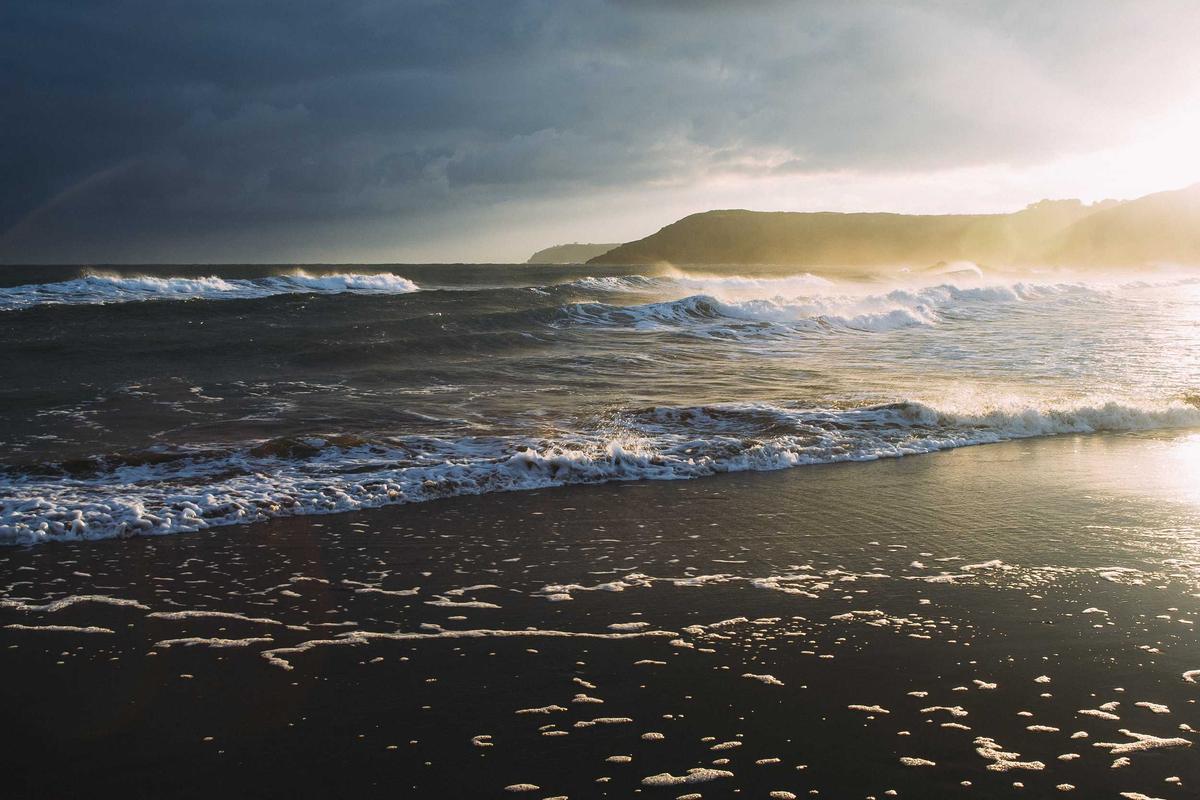
The resort, known as the Albanian Riviera Development, is a joint venture between Kushner’s Affinity Partners and Albanian real estate firm Gener 2. It proposes five-star hotels, a golf course, and private villas on the Karaburun Peninsula, a protected area of exceptional biodiversity. The peninsula hosts seagrass meadows, loggerhead sea turtles, and endemic plant species. Ecologists warn that construction would fragment habitats and introduce wastewater into a pristine marine environment. Yet the Albanian government has fast-tracked permits, citing economic benefits. Unemployment in the region hovers above 20 per cent.
Protests began last week after a leaked environmental impact assessment revealed that the developer had not completed required biodiversity surveys. On 8 April, over 2,000 demonstrators in the city of Saranda blocked the main coastal highway. Riot police used tear gas to disperse crowds. The protesters, a coalition of environmental groups, local fishermen, and university students, argue that the resort will privatise beaches, drive up living costs, and destroy the very natural capital that tourism relies upon.
The pushback has resonated globally. The European Bank for Reconstruction and Development, which had considered financing the project, has paused due diligence pending a review of social safeguards. For UK investors, the affair highlights a growing pattern in which high-profile developments in weak institutional environments become reputational liabilities. Pension funds and asset managers with exposure to Affinity Partners’ other holdings now face questions about due diligence processes.
From a scientific standpoint, the controversy underscores a deeper problem: the trade-off between short-term economic growth and long-term ecological stability is often poorly quantified. The Karaburun Peninsula is part of a climate refugium, an area expected to buffer species against rising temperatures. Its loss would accelerate regional biodiversity collapse. Meanwhile, the tourism sector is itself vulnerable to climate impacts: extreme heat events and water scarcity are already straining infrastructure along the Mediterranean coast.
The situation calls for a more rigorous integration of physical climate risk into investment decisions. Current models typically assign low probability to abrupt ecological thresholds, but the Albanian protests demonstrate that social tipping points can be triggered when governance fails to match environmental pressures. Investors should scrutinise not only a project’s carbon footprint but also its resilience to litigation, protest, and regulatory reversal.
For now, the Albanian government shows no sign of withdrawing support. Prime Minister Edi Rama stated that the resort will proceed, calling protesters “a minority of elites disconnected from the needs of ordinary Albanians”. But with international media attention and potential investor exit, the calculus may shift. The Karaburun Peninsula is a microcosm of a global challenge: how to develop without destroying the foundations of future prosperity. For UK investors, the lesson is clear: reputation risk is not soft. It is a geological force, slow to build but capable of sudden, devastating release.