A wave of demonstrations has erupted along the Albanian Riviera, where activists are decrying a luxury resort project backed by Jared Kushner, the former White House adviser. The proposed development, a 2,000-acre complex on the shores of the Ionian Sea, has become a lightning rod for debates over unchecked capitalism, environmental degradation, and the ethics of foreign investment. British investors, who hold significant stakes in Albanian real estate, are now under pressure to reassess their participation in ventures that prioritise profit over local communities and ecosystems.
Protesters have taken to the streets of Sarandë, a coastal town near the planned site, waving placards that read “Stop the sell-off” and “Albania is not for sale.” The demonstrations have been largely peaceful, but tensions simmer as the government of Prime Minister Edi Rama backs the project, citing economic growth and job creation. Critics, however, argue that the development will exacerbate inequality, displace local residents, and destroy fragile habitats. “This is a ‘Black Mirror’ scenario unfolding in real time,” says Julian Vane, a technology and innovation lead who has been monitoring the situation. “The algorithms of global finance have identified a hotspot for luxury tourism, but the human and ecological costs are being erased from the spreadsheet.”
The resort, which promises to be a haven for the ultra-wealthy with private beaches, a marina, and a golf course designed by a famous architect, is emblematic of a trend in which politically connected figures leverage their influence to fast-track mega-projects in developing nations. Kushner’s involvement, through his private equity firm Affinity Partners, has drawn particular scrutiny given his role in shaping Middle East policy during the Trump administration. Human rights groups have questioned whether the project meets international standards for transparency and community consultation.
For British investors, the protests raise uncomfortable questions about due diligence. The UK is one of the largest foreign direct investors in Albania, with interests spanning real estate, energy, and infrastructure. Many of these investments are tied to the country’s efforts to join the European Union, which has encouraged regulatory reforms. Yet the Kushner-linked resort appears to have bypassed some of these safeguards. Local environmentalists claim that the environmental impact assessment was rushed and lacked independent oversight. “The user experience of this development is a nightmare for Albanians,” says Vane. “They are bearing the costs of a digital sovereignty crisis, where data-driven investment decisions ignore local feedback loops.”
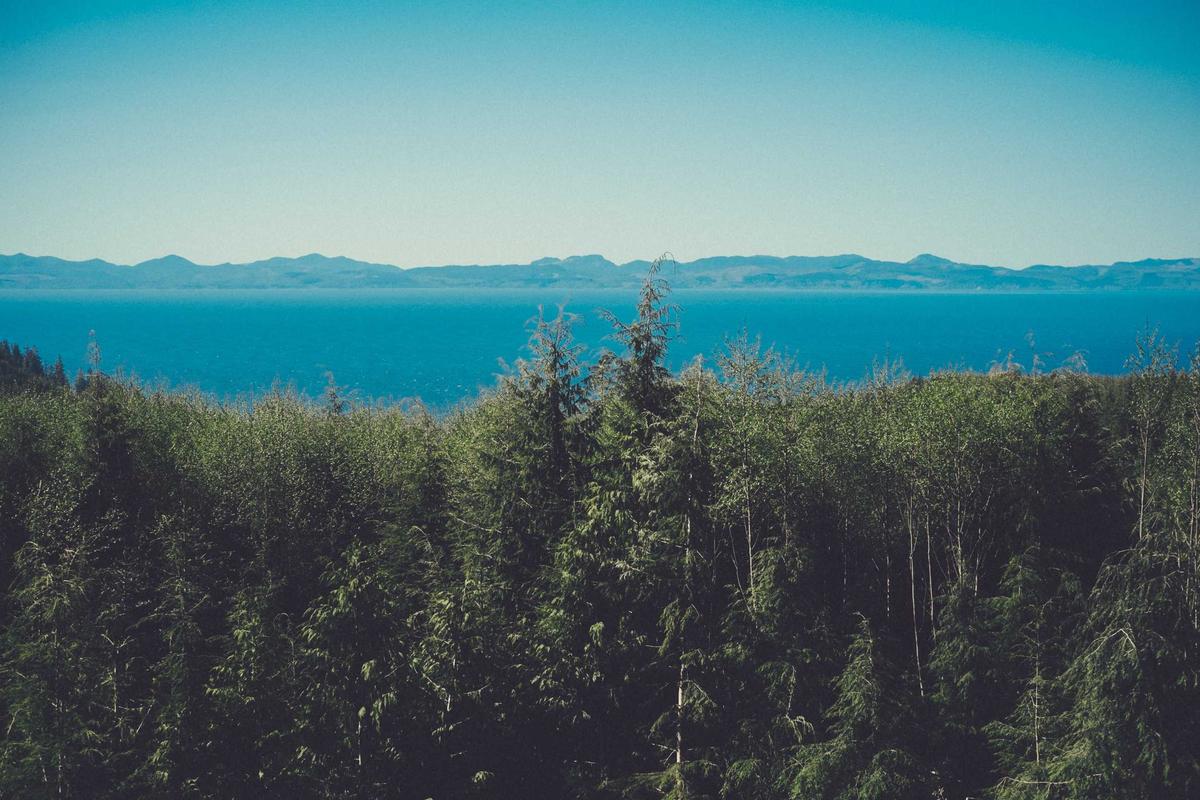
The protests have also reignited a broader debate about the ethics of luxury tourism in ecologically sensitive areas. The Albanian Riviera is one of the last undeveloped stretches of European coastline, home to rare biodiversity and traditional fishing communities. The resort’s construction could set a precedent for further industrialisation, transforming the coastline into a Mediterranean clone of Dubai. “We are at a quantum computing inflection point for governance,” Vane adds. “The algorithms that allocate capital need to be reprogrammed to value natural capital and social cohesion, otherwise we’ll see more protests and eventual asset devaluation.”
British ethical investment firms are already taking notice. Some have issued advisories urging clients to review their exposure to Albanian real estate, while others are calling for a moratorium on new luxury projects until a comprehensive social and environmental audit is conducted. The Albanan government, for its part, insists that the Kushner resort will create thousands of jobs and boost tourism revenues, which have rebounded after the pandemic. But local activists counter that the majority of jobs will be low-wage and temporary, and that the profits will flow abroad.
The standoff between protesters and developers captures the tension between short-term economic gains and long-term sustainability. As Vane puts it, “We need to decide whether we want a society designed for algorithmic optimisation or for human flourishing. The protests on the Albanian Riviera are a sign that people are choosing the latter.” The outcome of this battle will not only shape the future of Albania’s coast but also send ripples through the global investment community, forcing a reckoning with the ethical dimensions of capital allocation.