The sun-soaked Albanian riviera was meant to be Jared Kushner's next big bet. Instead, it's become a geopolitical headache that has spooked London's investment crowd. Violent protests have erupted over plans for a luxury resort complex backed by the former White House adviser. And the City is watching. Nervously.
Sources close to the prime minister's office tell me there is 'real concern' about the fallout for British firms with exposure to the Balkans. 'We've had calls from three major property developers asking for a risk assessment,' a Treasury insider confides. 'They're seeing the footage from Vlora and wondering if their money is safe.'
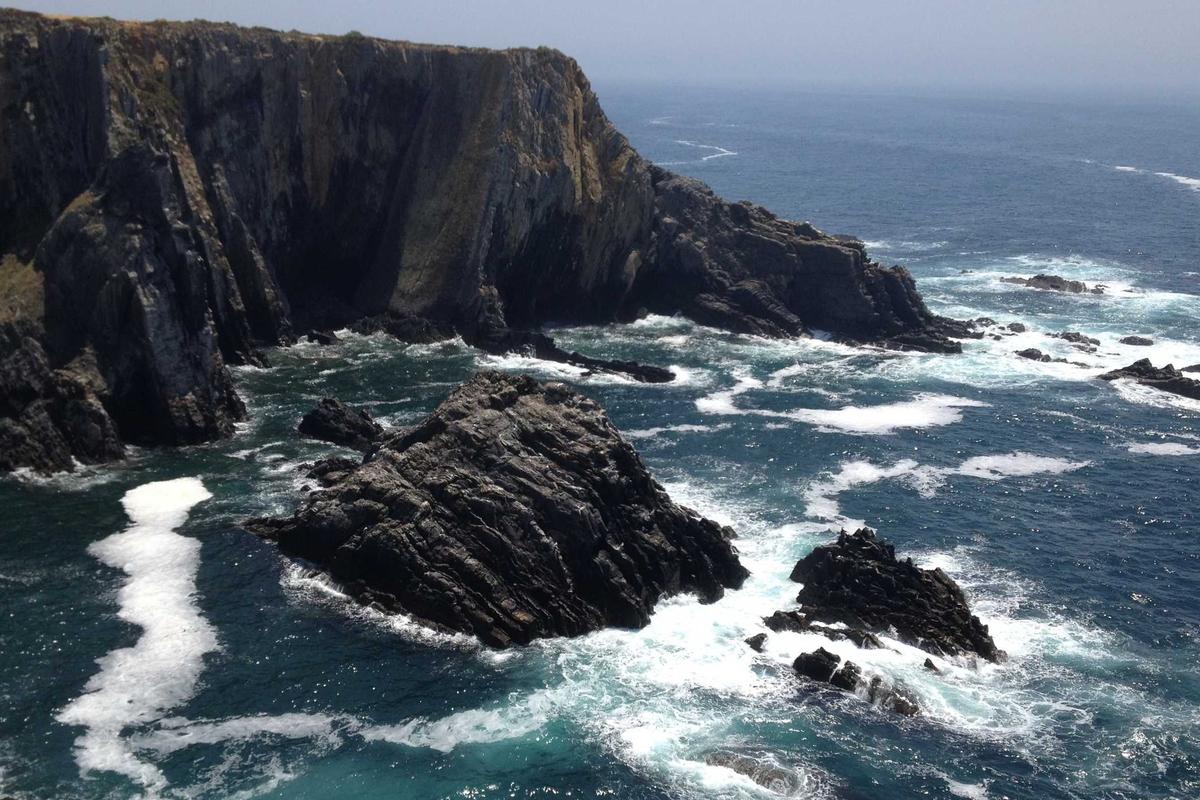
The project, a sprawling hotel and marina development on the country's southwestern coast, has become a lightning rod for Albanian anger. Critics say it will pave over protected wetlands, price locals out of the housing market, and turn a pristine coastline into a playground for oligarchs. The protests, which began peacefully last week, turned ugly on Tuesday when demonstrators clashed with riot police. Tear gas, batons, and at least a dozen arrests.
But here's the angle the foreign desks are missing: the political play. Kushner's involvement was always a bet on stability. The Albanian government, led by Prime Minister Edi Rama, has staked its reputation on attracting foreign capital, particularly from the US. Rama has personally endorsed the project, calling it a 'catalyst for growth.' Now, he's facing a spiralling crisis.
Whitehall is watching Rama's response closely. A heavy-handed crackdown? That would alarm human rights groups and complicate Britain's post-Brexit trade ambitions. A climbdown? That would signal weakness and spook other investors. 'Rama is between a rock and a hard place,' one former diplomat puts it. 'He needs the money, but he also needs the votes.'
For British investors, the timing could not be worse. The UK is already grappling with its own growth stagnation. Albania was seen as a bright spot: cheap labour, generous tax breaks, and a government desperate for deals. Hundreds of millions of pounds of British capital have flowed into Albanian real estate and tourism over the past five years. That pipeline is now at risk.
'I have clients pulling out of due diligence on two separate projects,' a London-based lawyer tells me. 'They are citing 'political risk.' That phrase wasn't in the lexicon for Albania six months ago.'
The bigger picture is more troubling. The protests are not just about a resort. They reflect a deeper backlash against the elite capture of Albania's economy. Corruption remains endemic. The judiciary is pliable. And the Rama government has grown increasingly autocratic, critics say. The protests are tapping into a well of resentment that has been building for years.
Kushner, for his part, has remained silent. His investment vehicle, Affinity Partners, has not issued a statement. But I'm told his team is monitoring the situation 'hour by hour.' A senior figure in the Trump orbit (Kushner's father-in-law, you recall) tells me: 'Jared is not a guy who walks away easily. He sees the long game.'
But long games are a luxury the City does not have. Pension funds and institutional investors demand quarterly returns. They cannot afford to wait out a political storm in a country the size of Wales. The mood in the boardrooms is shifting from curiosity to caution.
One final detail: a leaked poll from the British Embassy in Tirana shows that 68% of Albanians now have a negative view of foreign investment. That is a staggering reversal from just two years ago. The 'open for business' sign has been pulled down. And the UK government is scrambling to find a way to put it back up, without being seen to back an autocrat or a despoiler of beaches.
For now, the line from Downing Street is boilerplate: 'We encourage all parties to engage in peaceful dialogue.' But behind the scenes, the phone lines are burning. And a lot of investors are wondering if they bet on the wrong horse.