Tirana is burning. Thousands of protesters have clashed with police in the Albanian capital after leaked documents revealed a proposed luxury resort development on the country’s pristine Ionian coast, backed by Jared Kushner, former adviser to Donald Trump. The plan, which would see a 500-hectare stretch of protected coastline transformed into a high-end tourist enclave, has ignited fury among environmentalists, local residents, and opposition politicians. The UK Foreign Office has issued a rare statement cautioning British investors against engaging in overseas property deals that may facilitate corruption or environmental degradation, directly referencing the Albanian situation.
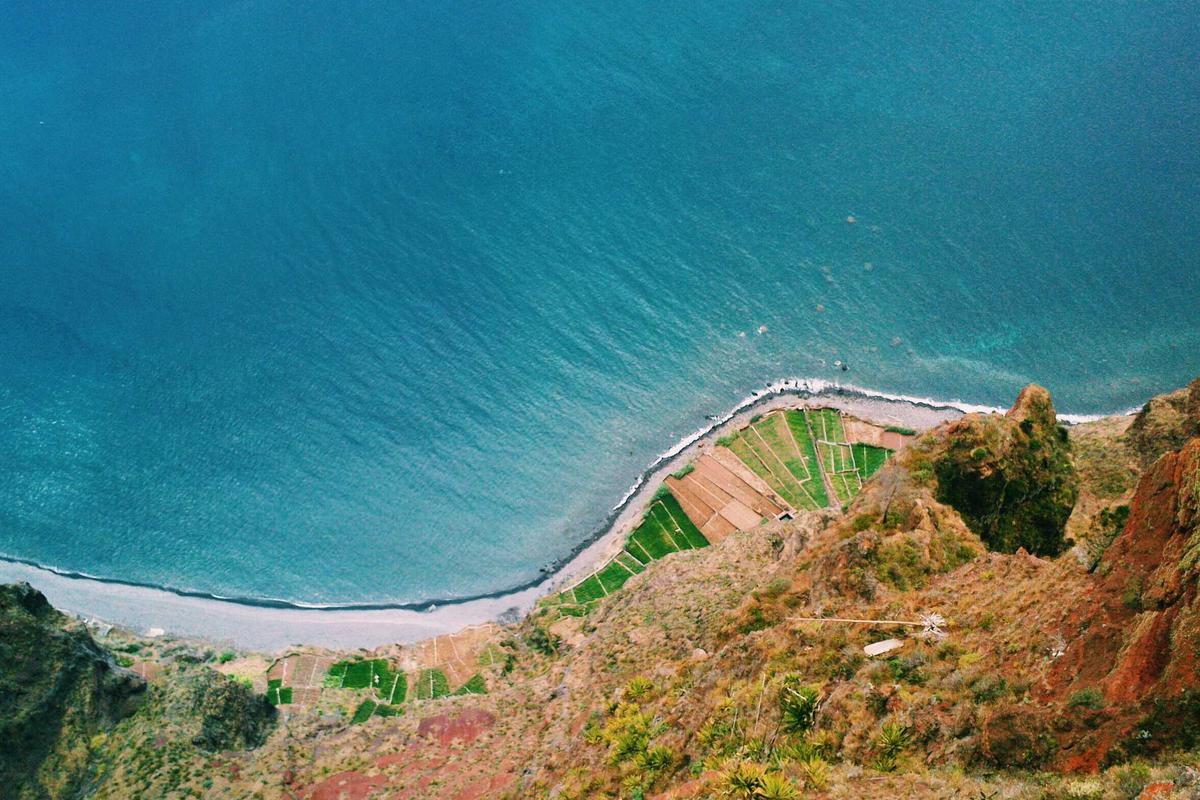
The riots, now in their third night, have left at least 40 injured and 12 arrested. Demonstrators set fire to construction equipment and blocked major highways, chanting: “Our coast is not for sale.” The controversy centres on a proposed resort near the village of Qeparo, an area of outstanding natural beauty that hosts rare Mediterranean monk seals and important seagrass meadows. Environmental impact assessments were reportedly bypassed, according to a leaked internal memo from the Albanian Ministry of Tourism, which described the project as “a strategic priority” requiring expedited approvals.
Kushner’s involvement comes through his private investment firm, Affinity Partners, which has been promoting the development since late 2023. The firm has declined to comment on the riots, but sources close to the project insist it meets all legal requirements and will bring jobs to one of Albania’s poorest regions. However, a recent investigation by the Organized Crime and Corruption Reporting Project (OCCRP) found that land titles for the project were obtained from local farmers under duress, with some properties sold for as little as €500 per hectare. The Albanian government has denied any irregularities.
UK Minister for Development and Africa, Andrew Mitchell, issued a pointed warning on Thursday: “The United Kingdom does not condone overseas property developments that ride roughshod over local laws, environmental protections, or the rights of communities. British companies and investors must exercise due diligence. Corruption anywhere is a threat to stability everywhere.” The statement is unusually strong for the Foreign Office, which typically avoids direct criticism of overseas business partners. It follows a pattern: similar UK warnings have been issued regarding luxury developments in Cambodia, the Maldives, and Portugal’s Algarve.
The Albanian protests have taken on a broader dimension, with many demonstrators linking the resort to systemic corruption in Prime Minister Edi Rama’s government. Rama, in power since 2013, has overseen a construction boom along the coast, much of it funded by foreign capital. Critics accuse him of selling off the country’s natural assets to politically connected elites. “Kushner is just the most famous face of a process that has been going on for years,” said environmental activist Eriola Hoxha. “Our coastline is being turned into a gated community for billionaires, while ordinary Albanians cannot afford to live here.”
The resort plan is projected to cost €1.2 billion, including a private marina, several hotels, and a golf course. Water scarcity is a major concern: the region already faces severe droughts, and the development would require diverting water from agricultural irrigation systems. A study by the University of Tirana estimates that the project would increase local water demand by 400% during peak tourist season, threatening downstream ecosystems and small farmers.
From a climate perspective, this is not merely a localised dispute. The Mediterranean basin is warming 20% faster than the global average, and southern Albania’s coastline is a critical biodiversity corridor. If this development proceeds, it sets a dangerous precedent for other high-carbon, water-intensive mega-resorts along the Balkan coast. The irony is thick: while Europe scrambles to adapt to rising temperatures and mass displacement, we are actively paving paradise.
Kushner’s Albanian project faces an uncertain future. The Albanian parliament is expected to debate a motion to revoke planning permissions this week. But the protesters are not waiting. The police, already stretched thin by two years of anti-government demonstrations, may soon be overwhelmed. What began as a local dispute over beach access has become a symbol of the global tension between capital and survival.
In the scientific community, we have a term for this: the tragedy of the horizon. We know the storm is coming, but we keep building beach houses. The UK’s warning is a rare flicker of conscience, but conscience alone will not stop the bulldozers. Only a sustained, organised refusal to accept this future will do that.