The scale of the catastrophe in La Guaira is only now becoming fully visible. As a BBC team gained access to the worst-hit district this morning, the physical reality of the disaster unfolded in stark terms: entire blocks of housing reduced to rubble, displaced debris fields stretching for hundreds of metres, and a palpable absence of sound where there should have been life.
British rescue teams have arrived in the region, their specialised equipment and trained personnel a medical necessity in a zone where local infrastructure has been overwhelmed. The UK contingent, coordinated through the Foreign Office, includes urban search and rescue specialists and medical triage units. Their deployment follows requests from Venezuelan authorities who face a logistical challenge of immense proportions.
The data from this event is still being collected, but preliminary satellite imagery suggests a landslide of at least 2 million cubic metres of material. The causative mechanism appears to be a combination of prolonged heavy rainfall and geological instability, factors that are becoming increasingly frequent as global mean temperatures rise. Warmer air holds more moisture, approximately 7% more for every degree Celsius of warming. This region has experienced a 15% increase in extreme precipitation events over the past two decades, a trend consistent with the physical models of a warming planet.
At the scene, the human cost is measured in the absence of those who should be present. The official death toll stands at 48, but this figure is provisional and expected to rise as search operations continue. Missing persons reports number over 200. For the survivors, the challenge is immediate survival: access to clean water, food, and shelter. The local hospital is functioning at reduced capacity, its critical supplies depleted.
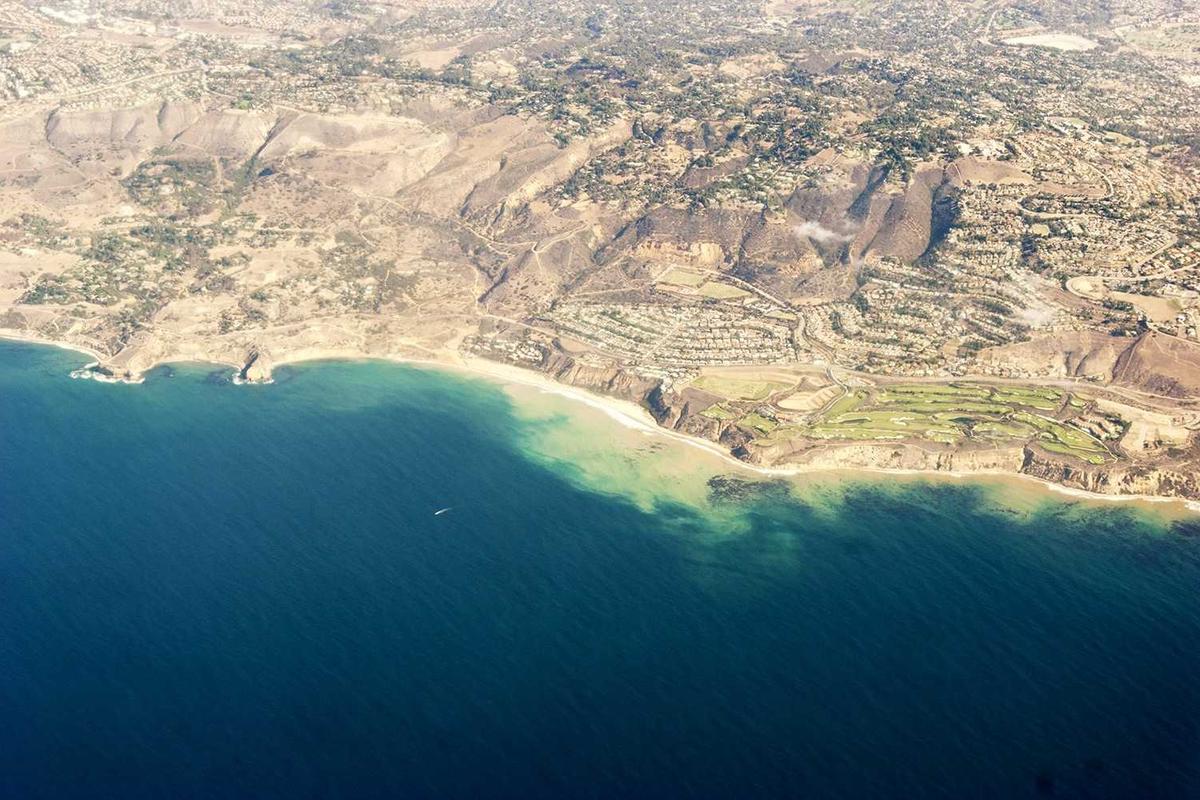
The biosphere, too, registers the shock. The coastal ecosystem, already stressed by ocean acidification and warming waters, now faces an influx of sediment and potential contaminants from the destroyed urban area. This disruption extends up the trophic chain, affecting fisheries that already operate on the edge of sustainability.
Technological solutions exist to mitigate such disasters, but their implementation lags. Early warning systems based on soil moisture sensors and rainfall thresholds can provide hours of notice. Resilient infrastructure, built to absorb extreme events rather than collapse, is a known engineering challenge. Yet the political will and financial commitment required to deploy these technologies at scale remain insufficient. In La Guaira, the cost of that gap is now measured in lives lost and futures destroyed.
The arrival of British teams is a temporary patch, not a cure. Their presence speaks to the global interconnection of our crises, but also to the systemic failure to address root causes. As a scientist, I note that the energy transition away from fossil fuels is not proceeding at a sufficient pace. The physical reality of a warming world will continue to deliver these shocks. The calm urgency required is not yet reflected in our collective response.