Three men rescued from a flooded cave system in northern Laos have been redeployed in the search for two of their companions still missing underground. The operation, now entering its seventh day, has taken on a grim urgency as oxygen levels in the chambers dwindle and monsoon rains threaten further flooding.
The survivors, all experienced spelunkers from Vientiane, were extracted from a narrow fissure 400 metres inside the Tham Luang-style cave on Monday. They were dehydrated and suffering from mild hypothermia but alert enough to provide detailed maps of the passages they traversed. Within 12 hours of hospital discharge, they volunteered to return to the search effort.
'They know the layout better than any drone or topographical survey,' said Provincial Governor Bouasone Vongphachan. 'Time is not on our side.'
The missing men, Xai Thongchai and Phout Vongkham, are believed to be trapped in a series of air pockets beyond an initial sump that flooded after a flash storm. The survivors reported hearing knocking sounds from that direction two days ago, but subsequent attempts to dive through have been hampered by zero visibility and strong currents.
Rescue teams have now drilled three boreholes from the surface, attempting to reach a chamber identified by the survivors as a potential refuge. One borehole struck an empty void at 60 metres depth, and an endoscopic camera was lowered. It showed carvings on the wall a Buddhist symbol for 'water' and a directional arrow pointing deeper into the mountain. The drill team is now angling a second borehole to intersect the same chamber 20 metres further east.
Geological survey data released this morning reveals the cave network extends at least 14 kilometres, far longer than previously estimated. Limestone fractures and underground rivers make the region prone to flash flooding. 'This is a geologically active system with multiple conduits to the surface,' said Dr. Helena Vance, speaking from her London office. 'Every hour of rain raises the water table by centimetres. The window for a dry rescue is closing rapidly.'
Local villagers have been pumping water out of the main entrance since day one, but inflow exceeds outflow by a factor of three. A portable pump from the Thai border region arrived this morning, capable of moving 1,000 litres per second. Engineers estimate it could lower the water level by 15 centimetres in the first chamber within 24 hours.
The survivors are being used as guides for the drilling teams, pointing out rock formations and acoustics. They report that the missing men are strong swimmers and had emergency rations for three days. But it is now day six. 'Their metabolic water needs are the biggest risk,' said Dr. Vance. 'Hypothermia and dehydration accelerate each other in a feedback loop.'
International support has arrived: a French cave diver with experience in the 2018 Thailand rescue is on site, along with a Japanese team specializing in underground sonar. But political tensions with neighbouring countries have delayed the dispatch of an Israeli drilling rig currently held at customs in Bangkok.
The governor has declared a 10 km exclusion zone around the cave mouth. Journalists and curious locals have been kept back, but the survivors briefed the press this morning, their voices hoarse but steady. 'We left them because we had no choice,' said survivor Khamla Xayaseng. 'Water was rising. We couldn't see. But they told us to go. Now we will bring them home.'
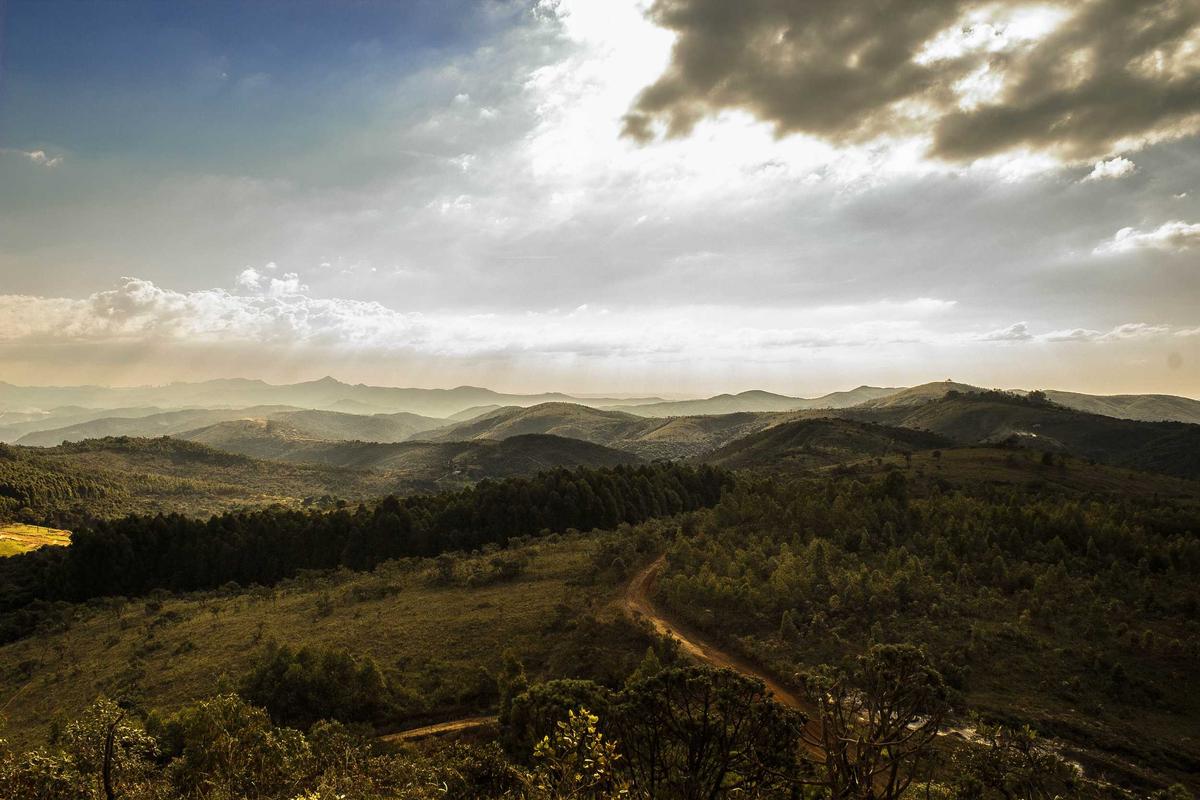
The operation is now a race against the elements. Meteorologists predict heavy rain within 48 hours. If the boreholes do not connect by then, the only option will be a full saturation dive through the sump a death-defying proposition even for the best rescue teams. The survivors have already said they will attempt it themselves.
As the sun sets over the limestone karst, the drilling rigs hum into the night. Each metre of rock drilled is a roll of the dice. Someone is knocking deep underground. The question is whether the mountain will let them out.