Three men emerged from the dark throat of a Laos cave system this morning, blinking in the tropical sun. They are the lucky ones. Two of their companions remain somewhere in the labyrinth below, and the survivors have refused medical evacuation to join the frantic search. This is not a story about triumph. Not yet. It is a story about time running out.
Sources close to the rescue operation confirm that the survivors made contact with surface teams at 4:12 a.m. local time. They were exhausted, dehydrated, and covered in mud from 36 hours underground. But they refused to be carried to a field hospital. Instead, they demanded coordinates and equipment to go back in. 'They are brothers in all but blood,' a rescuer told me. 'They will not rest until the last man is out.'
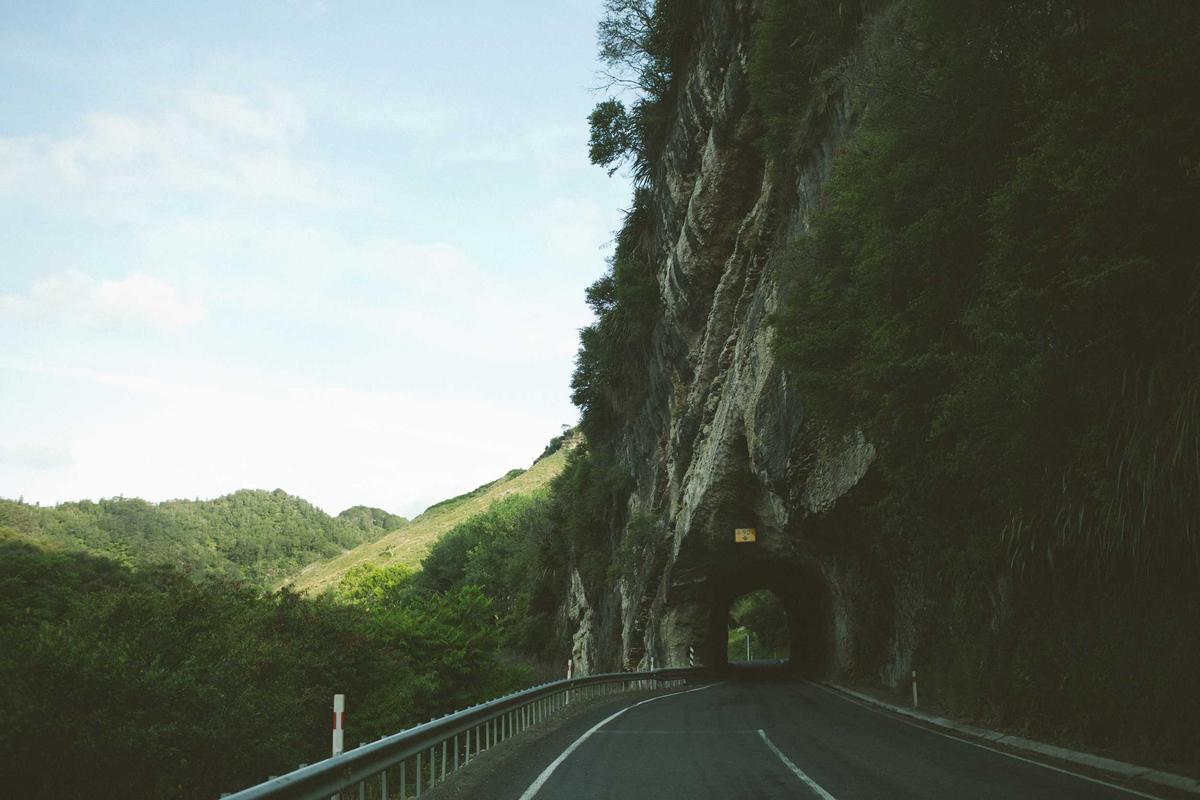
The cave system in northern Laos has a reputation among speleologists. It is a tangled web of passages that flood without warning. The water level rose two metres in 30 minutes yesterday. That is when the group of five was separated. The survivors found a high ledge. The two missing men were last seen taking a lower route, looking for a way out. They have not been heard from since.
International rescue teams have now arrived, including specialists from the UK and Australia who worked on the Thai cave rescue in 2018. But they face a new horror. The Laos caves are unmapped below a certain depth. 'We have no idea what is down there,' a geologist on site told me. 'It could be a dead end. It could be a kilometre of tunnels.'
The government has not officially commented. But sources inside the provincial disaster office say they have requested military support for a potential body recovery. That phrase is never used lightly. It means they are planning for the worst.
Meanwhile, the families of the missing men arrived two hours ago. A woman who would only give her name as Souk stood at the cave entrance, her hands shaking. She told me her husband is one of the trapped men. 'He is a strong swimmer,' she said. 'But the water is not the problem. It is the cold. It is the dark.'
The survivors are now resting for 45 minutes before they descend again. They have torches, ropes, and a series of radios that may or may not work at depth. They are being watched by a small crowd of villagers, journalists, and officials who are all holding their breath.
This is not a happy story. Not yet. But it is not a tragedy either. The two missing men are still alive. They have food and water for another 48 hours. That is the window. After that, the operation shifts from rescue to something else. I have seen that shift before. It is a quiet change, spoken in low voices behind closed doors. But everyone here knows what it means.
I will stay at the scene. I will watch the survivors go back into the earth. I will count the hours. And I will tell you what happens next. Because these men are not just names on a piece of paper. They are someone's husband, someone's father, someone's brother. And they deserve to come home.