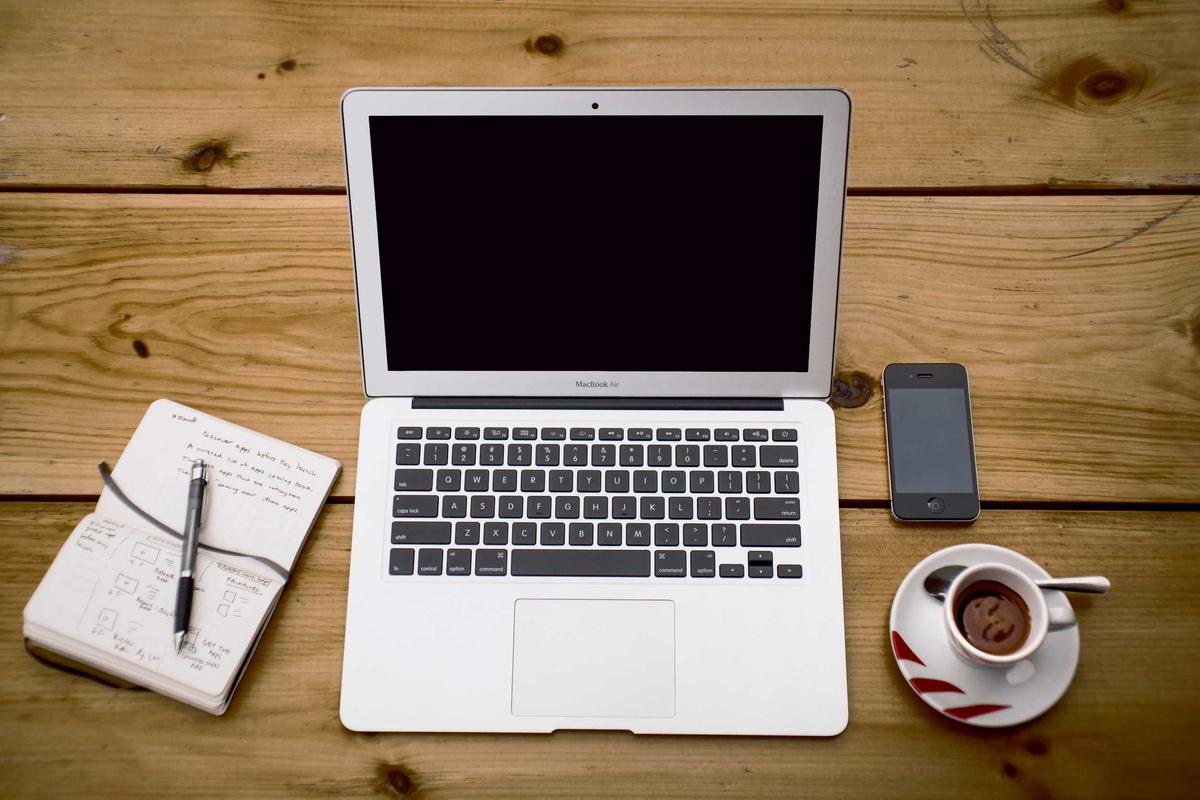
In an age where we fetishise the digital as though it were a golden calf, a curious event has unfolded. This week, 100 British hospitals were struck by a national cyber-attack, presumably the work of some digital vandals with a grudge against modernity. Yet, rather than succumb to the paralysis that such an assault would have inflicted upon a lesser, more tech-dependent society, the NHS responded with a defiantly anachronistic gesture: they reached for pen and paper. Oh, the horror. The sheer, unadulterated horror of scribbling notes on paper, of filing charts manually, of relying on the human brain itself rather than a flickering screen. And yet, the system worked. The NHS has been praised for its resilience. But let us pause to consider what this truly signifies.
This is not a mere anecdote of administrative triumph. It is a parable for our times, a stark reminder that our obsession with the digital is, at its core, a form of intellectual decadence. We have outsourced our memories to servers, our decisions to algorithms, our very identities to the cloud. And when the power fails or the hackers strike, we find ourselves reduced to helplessness, wringing our hands in the glow of a dead monitor. But not the NHS. No, the NHS, that bastion of British pragmatism, remembered that the pen is mightier than the laptop. They recalled a lesson from the Victorian era, when a clerk with a quill could run an empire and a surgeon with a bone saw could save a life. The digital is a convenience, not a necessity. The human mind, that glorious organic computer, is the true bulwark against chaos.
Observe the historical parallels. The fall of Rome was not precipitated by barbarians alone but by a creeping reliance on systems that had become too complex to maintain. The Roman bureaucracy, with its endless scrolls and codices, was the cloud of its day. And when the barbarians came, those scrolls burned, and with them, the memory of an empire. Are we any different? Our servers are our scrolls. Our hackers are the Visigoths with a keyboard. But the NHS has shown us a way out: a return to the fundamentals, a reconciliation with the tactile world of ink and paper. It is a small rebellion, but a vital one.
Critics will argue that this is backwardness, that clinging to analogue methods is a sign of technological inadequacy. But I say the opposite. It is a sign of strength. It is a recognition that the digital is a tool, not a master. We have become too reliant on the crutch of connectivity. Every system that fails, every attack that succeeds, is a testament to our fragility. The NHS has reminded us that resilience lies in redundancy, in having a plan B that does not require a reboot. It is a lesson from the Blitz, from the days when a nation survived on tea and stiff upper lips. It is a lesson from the Victorians, who built systems that could function without electricity, because they knew better than to trust the gods of innovation.
So let us applaud the NHS, not for its technical prowess, but for its refusal to be cowed by the tyranny of the new. Let us ask ourselves: what else have we outsourced that we could reclaim? Our privacy, our autonomy, our very sense of self, all of it surrendered to the digital Leviathan. And perhaps, just perhaps, the example of 100 hospitals running on pen and paper will inspire a broader movement. A movement away from the seductive but brittle promise of the digital and toward a more balanced, more human way of living. The Fall of Rome is not inevitable. Not if we have the sense to keep a pen and paper handy.
The cyber-attack was a failure. The NHS was a success. And in that success, there is a warning and a hope. A warning that our digital dependencies are a vulnerability. A hope that we might yet remember the old ways before it is too late. Let this be the beginning of a new Luddism, not a Luddism of fear, but a Luddism of wisdom. The pen is not a relic. It is a sword. And the NHS has shown us how to wield it.