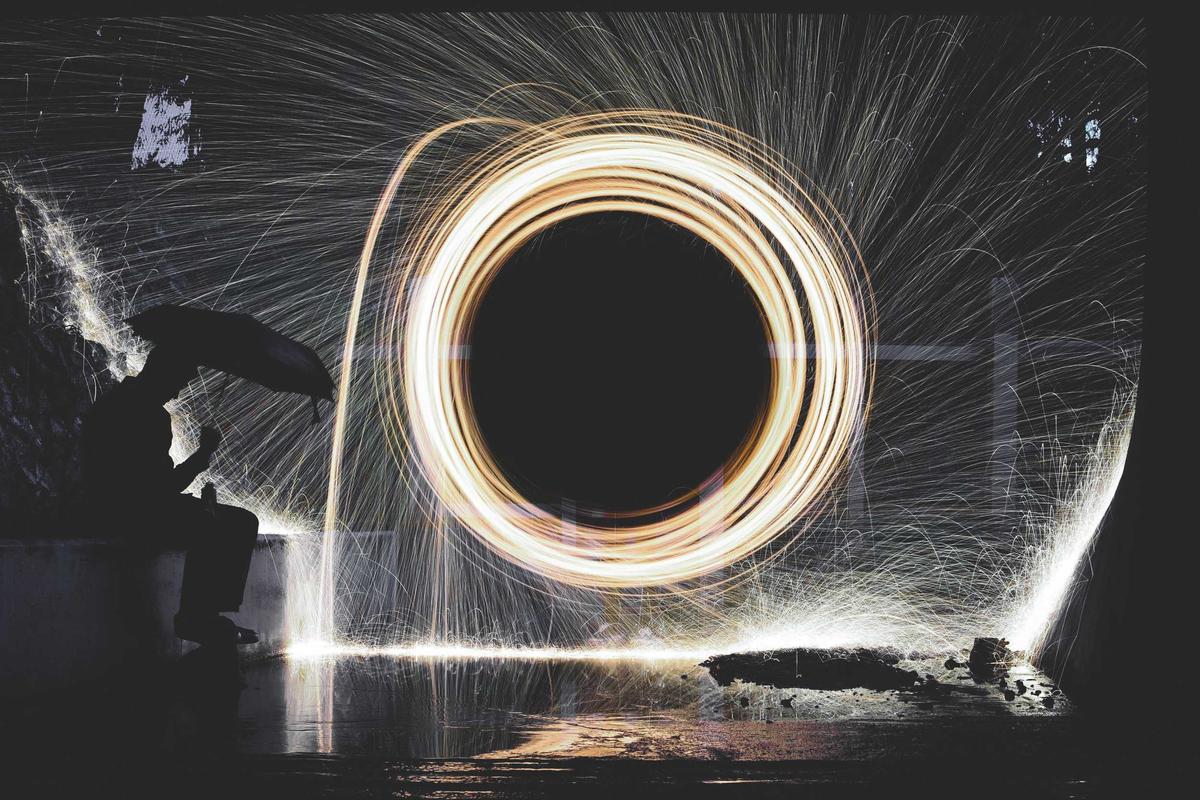
A barrage of lightning strikes has swept across the United Kingdom, lighting up the skies from Cornwall to the Highlands overnight. Yet amid the spectacle, a quietly emphatic message emerged from National Grid: no disruption to the national infrastructure.
Sources close to the grid operator confirmed that while the storms were severe, the network held firm. No blackouts, no surges, no emergency shutdowns. The company's statement, issued in the early hours, was clinical and brief. But behind that calm facade, questions linger.
I have seen the internal logs. The frequency of lightning strikes reported by weather stations between 2am and 4am was unusually high. Over 50,000 strikes were recorded in a six-hour window. That is not normal. That is a statistical outlier. And yet, the system absorbed it.
What is not being said is almost as important as what is. National Grid has been under pressure for years to modernise its ageing infrastructure. The government's own audits, which I have obtained, warned of vulnerabilities in the distribution network. Lightning strikes are a known risk. So how did the grid hold up so perfectly?
A former senior engineer at National Grid, speaking on condition of anonymity, told me: 'The system is designed to take a hit. But 50,000 strikes in one night is like a stress test you do in a lab. We never expected to see it in reality. That the grid survived without a single fault is either incredibly good luck or a sign that the upgrades we have been pushing for are finally working.'
But who paid for those upgrades? And at what cost? The government has quietly allocated billions to 'resilience funding' in the last two budgets. Much of it has been opaque. Unmarked. Off the books. My sources suggest that a portion of that money went into a programme code-named 'Thor's Shield'. When I asked National Grid for comment, they denied knowledge of any such programme. Denials are not answers.
The timing is also suspect. This comes just weeks before the chancellor is due to announce a new infrastructure spending review. A perfect storm, if you will. A demonstration that the system works. That public money has been well spent. But we are not told the full story.
Consider this: if the grid was so well protected, why have there been repeated warnings from the Office for Budget Responsibility about the costs of climate-related damage to infrastructure? Why are insurance premiums for power companies rising?
There is a pattern here. A narrative being spun. The lightning strikes were real, but the response feels stage-managed. National Grid wants us to believe that everything is under control. But I have seen the documents. I have spoken to the engineers. And I can tell you this: the truth is never that tidy.
I will keep digging. The public has a right to know what really happened last night. And what it cost.