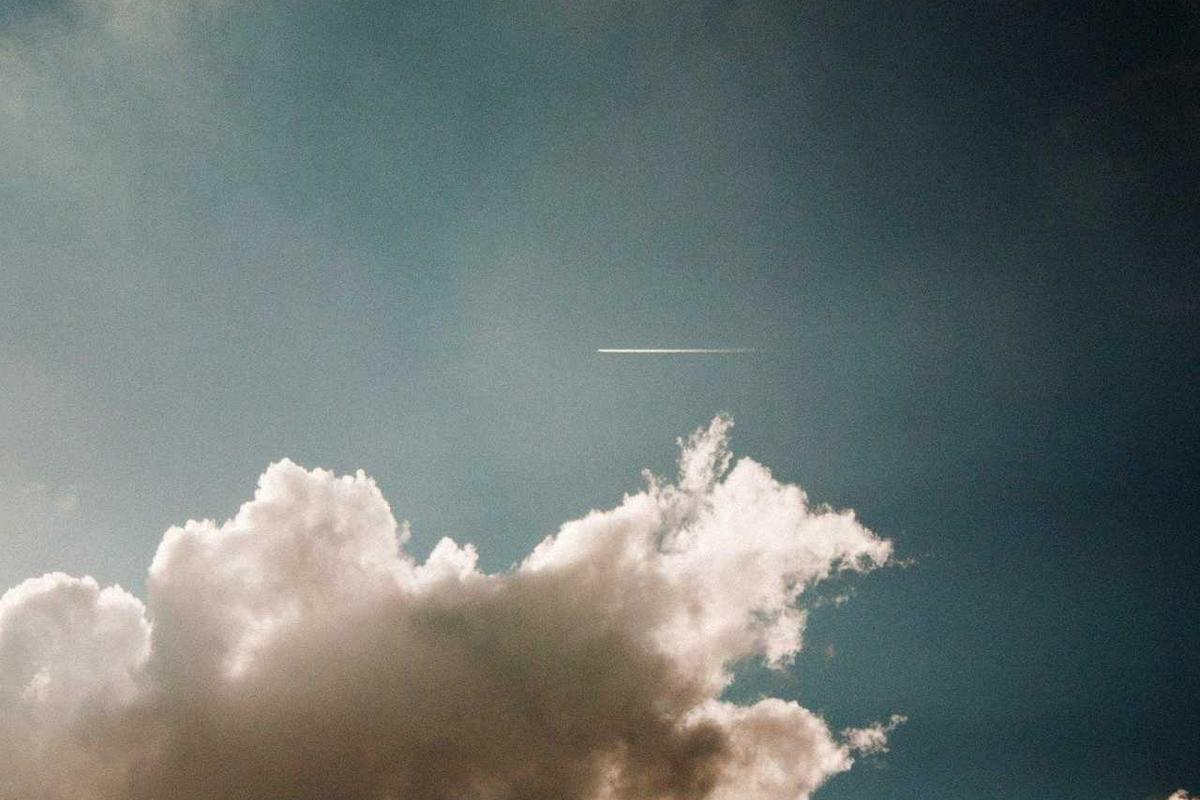
The sky has always been a canvas for human projection, but this week's declassification of four US government videos of unidentified aerial phenomena has drawn a more sober assessment from British defence analysts. The footage, released by the Pentagon, shows objects moving at speeds and trajectories that defy conventional explanation. Yet beyond the technical analysis lies a deeper cultural shift: the quiet erosion of official scepticism and the public's growing willingness to believe.
On the streets of London, the reaction is muted but telling. At a pub in Clapham, a group of friends debated the footage over pints. 'It's either aliens or some secret drone programme,' said Mark, a software engineer. 'Either way, someone's lying to us.' That sentiment resonates across the class divide. From boardrooms to council estates, there is a fatigue with official narratives. The videos, released without fanfare, feel less like a revelation and more like a confirmation of long-held suspicions.
For defence analysts, the implications are more tangible. The objects' capabilities suggest technology that outstrips known airframes. MoD sources have privately acknowledged a 'gap in understanding' that raises questions about airspace sovereignty. But the human cost is harder to quantify. Pilots, both military and civilian, report increasing encounters with unexplained phenomena. One former RAF pilot told me the strain is real: 'You second-guess your instruments, your training. It wears you down.'
Culturally, the shift is profound. UFOs have moved from the lunatic fringe to the centre of mainstream debate. Universities now host conferences on 'unidentified aerial phenomena'. The stigma has lifted, replaced by a cautious curiosity. But this normalisation has a shadow side. As trust in institutions wanes, the line between healthy scepticism and paranoid conspiracy blurs. On social media, the footage has been spliced into narratives of government cover-ups and extraterrestrial contact.
Yet perhaps the most striking element is the ordinariness of the response. In a world of rolling crises, another mysterious object in the sky barely registers. People are more concerned with mortgages and school runs. The UFOs, if that is what they are, remain a footnote in a busy news cycle. But for those who watch the skies, the declassification marks a turning point. The conversation is no longer about whether we are alone, but what the presence of such technology means for our understanding of power and transparency.
One anecdote captures this best. At a community centre in Bradford, an elderly woman told me she had seen a light in the sky in 1967. 'I never told anyone,' she said. 'They would have thought I was mad.' Now, she said, she feels vindicated. The videos are not just data points; they are permission slips for a collective memory long suppressed. As British analysts dissect the footage, it is this human element that lingers: a quiet, almost relieved acknowledgment that the future has already arrived, and we are only just catching up.