Washington D.C. woke up to a visual shock this morning. The National Mall’s iconic Reflecting Pool, a mirror for the Washington Monument and a symbol of democratic transparency, has been painted black. The move, part of a controversial art installation titled “The Void We Face,” has divided a nation already grappling with questions of identity and historical reckoning.
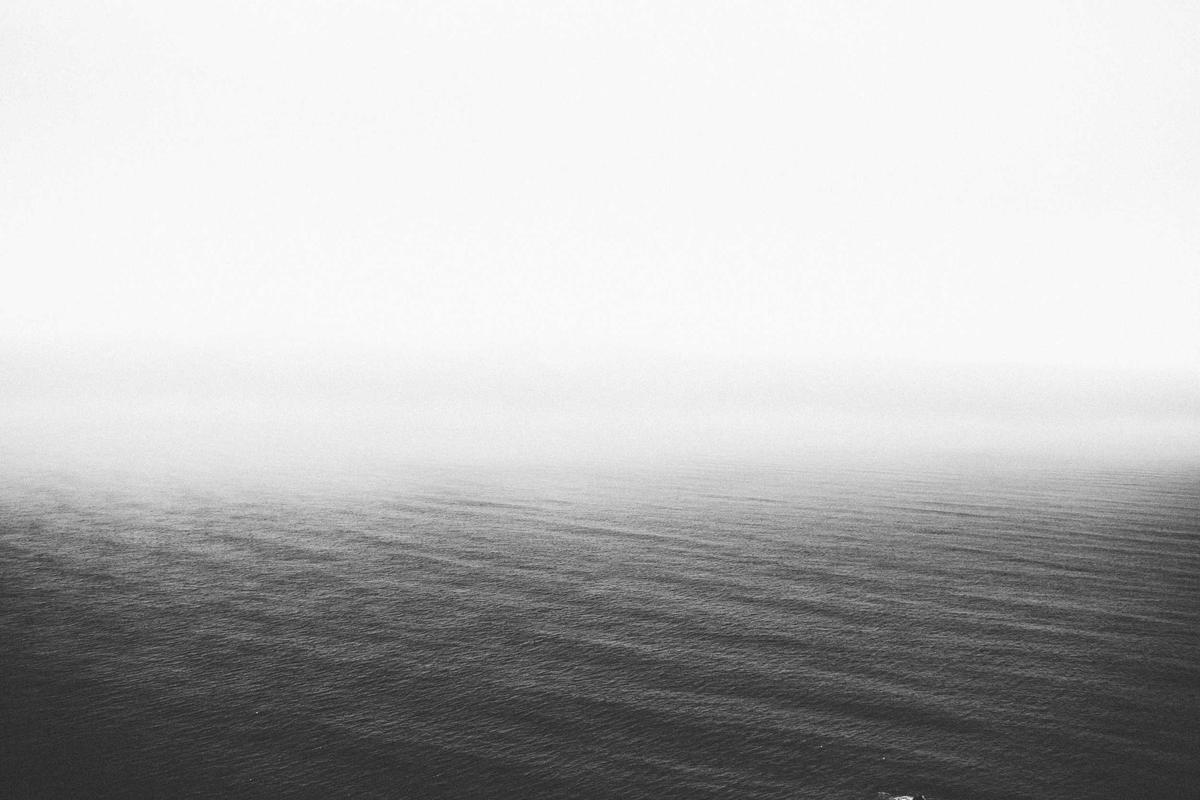
Crowds gathered at dawn, phones out, capturing the jet-black surface that now stretches 2,029 feet between the Lincoln Memorial and the Washington Monument. “It’s like someone put a lid on the sky,” said Maria Gonzalez, a teacher from Ohio. “I feel like I’m looking into an abyss.”
The black paint, a non-toxic, biodegradable algae-based coating, is the work of conceptual artist Anya Petrova, known for her provocative public interventions. Petrova’s statement, released quietly on her website, reads: “The Reflecting Pool has reflected only one version of America. Now it reflects the void we must confront to move forward.”
But the reaction has been far from unified. On social media, #BlackReflection and #SaveThePool are trending simultaneously. Some see it as a powerful statement on racial injustice, a literal blackout of a landmark that has historically excluded people of colour from its narrative. Others view it as a desecration, a political stunt that sullies a national treasure.
“This isn’t art, it’s vandalism,” said retired veteran John Miller, who had driven from Virginia to see the monument. “My grandfather fought for this country. This pool was his dream. Now it’s a black puddle.”
Across the Atlantic, British landscape architects have weighed in with a mix of bemusement and critique. Professor Alistair Finch of the Royal Institute of British Architects, speaking from his office in London, called the project “aesthetically and functionally inept.”
“The Reflecting Pool is a masterpiece of neoclassical landscape design,” Finch explained. “Its purpose is to create a visual dialogue between the monument and the sky. Painting it black destroys that dialogue. It turns a mirror into a hole. It is the architectural equivalent of a scream.”
Finch’s colleague, Dr. Eleanor Hart, a specialist in monumental spaces, offered a more nuanced view. “Americans have a tendency to treat their public spaces as canvases for therapy,” she said. “Our approach in Britain is more about quiet maintenance. But perhaps that is a luxury of a nation with a more settled identity.”
The project has also reignited debates about the National Mall’s role as a stage for political expression. In 2019, the pool was drained for repairs. In 2020, it was the backdrop for Black Lives Matter protests. Now, it is a static emblem of a nation in flux.
City officials are caught in the crossfire. The National Park Service, which manages the Mall, has issued a statement calling the installation “unauthorised” but has not yet removed the paint, pending a legal review. Mayor Muriel Bowser, known for her progressive stance, has declined to comment, though sources say she is “watching the public reaction with interest.”
Meanwhile, the artist remains elusive. Petrova’s team released a second statement: “The paint will remain until it naturally biodegrades in 72 hours. Or until the nation decides what it wants to see in its reflection.”
At the site, the mood is shifting. By midday, a group of children began drawing in the black paint with sticks, creating patterns that caught the light. A young couple placed a white rose on the edge. Later, a man in a suit knelt and touched the surface, then stood up and wept.
Perhaps that is the point. The Reflecting Pool’s black paint job is not a solution. It is a question mark. And for a country that often mistakes certainty for strength, that may be the most American thing of all.
As the sun sets, the black pool glows, an obsidian mirror for the monument. The future is not written on its surface. It is, for now, a blank slate.