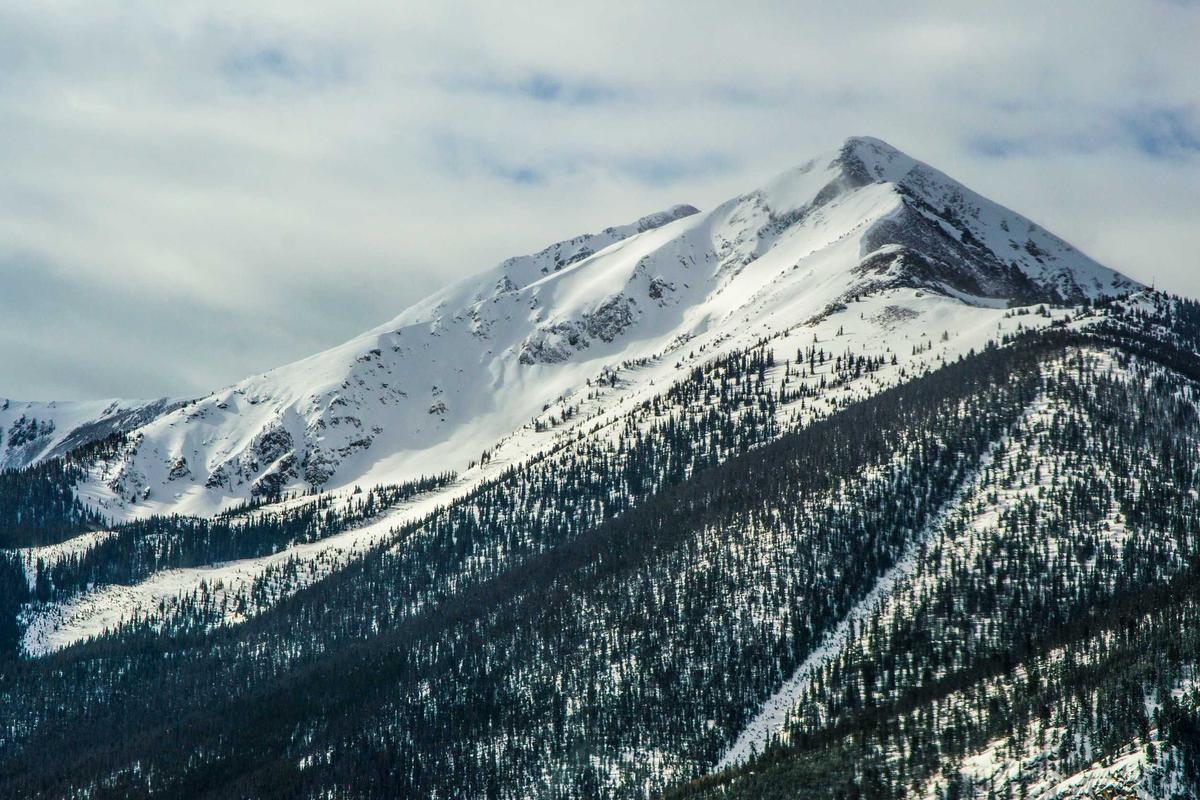
A catastrophic rope-jumping incident in Brazil has left two tourists dead and three critically injured, prompting an immediate government inquiry into operator negligence. The tragedy occurred at the remote Pico das Agulhas Negras, a popular adventure site, where a group of seven participated in a high-altitude rope-jumping activity. Witnesses report that the primary safety harness failed during a simultaneous descent, sending participants plunging 80 metres onto rocky terrain. Preliminary investigations suggest the equipment had not been inspected for over six months, and the instructor present lacked certified training credentials.
The incident has reignited debates over global adventure tourism safety standards. The UK, which has some of the most rigorous regulations for such activities, has been cited as a benchmark. British Adventure Activities Licensing Authority (AALA) guidelines require mandatory third-party annual inspections, maximum participant-to-instructor ratios of 4:1, and real-time backup systems. In contrast, Brazilian operators often operate under less stringent federal guidelines, leaving safety largely to self-regulation.
Dr. Marco Silva, a risk management expert at the University of São Paulo, stated: "This was not an unforeseeable accident. It was the predictable outcome of a systemic failure to adopt basic safety protocols." He noted that while Brazil has implemented safety codes for bungee jumping and rafting, rope-jumping remains a legal grey area, with no specific liability insurance required.
The British Foreign Office has confirmed that no UK nationals were involved in the incident. However, the aftermath has seen a surge in inquiries from British travellers about the safety certification of adventure providers abroad. The Brazil Tourism Board has pledged to overhaul its adventure sport licensing by mid-2024, incorporating elements of the British model.
The human cost is immeasurable. Among the deceased was a 34-year-old lawyer from Argentina and a 28-year-old nurse from Chile, whose families have launched legal action against the operator. The injured, including two Swedes and a French national, remain hospitalised with multiple fractures and spinal trauma.
This tragedy underscores the physical reality of our world: gravity is unforgiving, and negligence in its presence yields brutal outcomes. The planet’s surface, whether at sea level or atop a peak, demands respect. For every adrenaline-fueled activity, there exists a corresponding probability of failure. That probability is not fixed: it is shaped by training, maintenance, and oversight. In this case, the probability tipped from acceptable to catastrophic due to human error.
As we watch the inquiry unfold, the lesson is clear. Safety is not an expense. It is a physical constraint. And when we ignore it, nature does not negotiate.