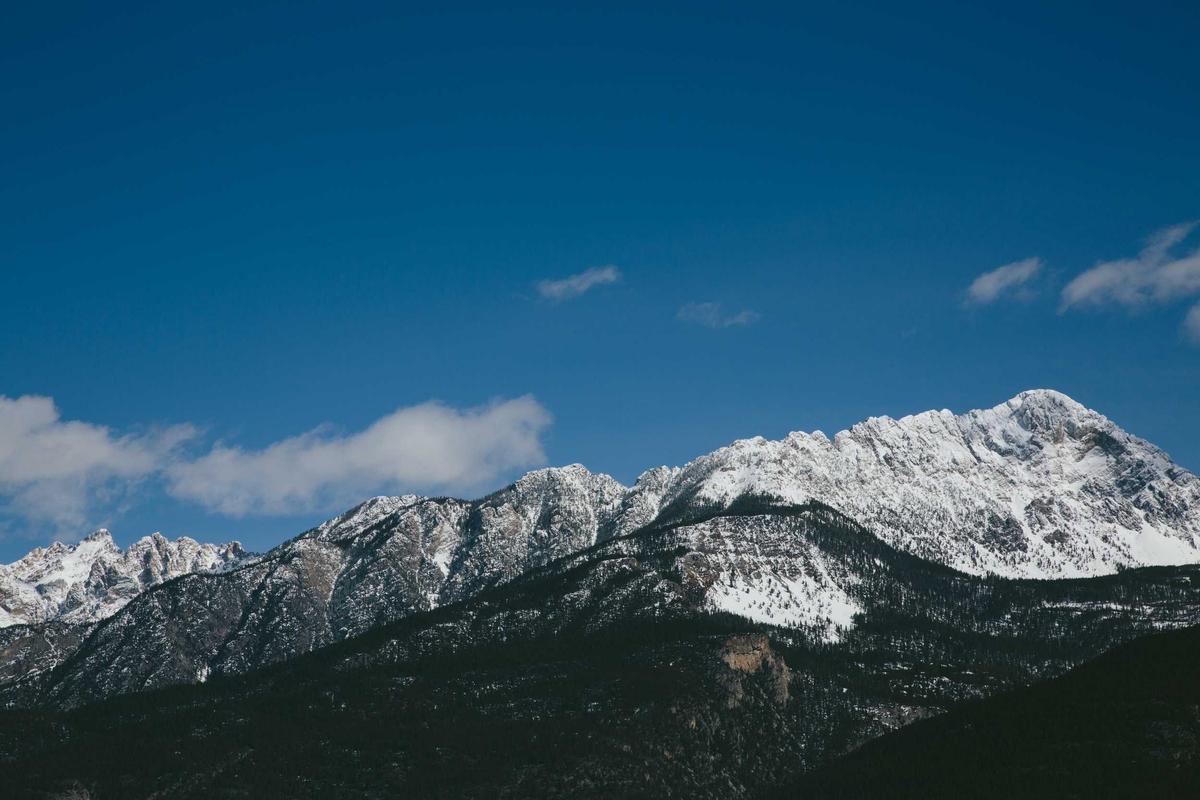
The astonishing survival of a Nepali guide on Mount Everest has thrown the spotlight on British tour operators profiting from the world’s deadliest peaks. Kami Rita, a 34-year-old Sherpa, was swept into a crevasse last Tuesday during a routine supply run. He spent 18 hours clinging to an ice ledge at 7,000 metres, with temperatures plunging to minus 30 degrees Celsius. His rescue, broadcast live via satellite phone, has been hailed as a modern miracle. But the incident has reignited a fierce debate about the ethics and safety standards of British companies selling Everest expeditions for upwards of £40,000 per client.
Kami Rita, who had summited Everest seven times, was fixing ropes for a British-managed team when the accident occurred. The tour operator, Himalayan Horizons Ltd, based in Guildford, insists all safety protocols were followed. But critics point to a spate of incidents this season: three other guides have died, and a British climber suffered severe frostbite after being left for hours in the ‘death zone’. The company’s response time has been questioned. It took six hours for a rescue helicopter to reach Kami Rita, despite clear skies and a functioning base camp comms system.
“The economics of high-altitude tourism are brutal,” says Dr Amrita Sharma, a Kathmandu-based mountaineering historian. “These companies sell a dream, but they cut corners to protect their margins. The Sherpas bear the risk.” UK tour operators are required to adhere to the Package Travel Regulations 2018, but enforcement is patchy. The Foreign Office offers only generic advice. Meanwhile, the Nepal Mountaineering Association has demanded a crackdown on foreign firms that fail to provide adequate oxygen, insurance, and radio equipment.
Yet the market booms. Since 2019, the number of British climbers on Everest has surged 40%, driven by social media influencers and corporate team-building trips. “Clients want a ‘life-changing experience’ but rarely read the small print,” notes a former guide who now works in digital safety. “The real risk is borne by the local workforce.” Kami Rita’s survival story has sparked a petition to ban commercial expeditions above 8,000 metres. It has garnered 50,000 signatures in a week. But tour operators argue that regulation would simply drive business to unregulated rivals in China or Tibet.
As I type, the British government is reviewing safety guidelines for adventure travel. The Minister for Tourism, Lord Hastings, has called for a “national conversation” on the morality of profiting from extreme risk. But as long as the mountain stands and clients are willing to pay, the question remains: at what cost?
For now, Kami Rita is recovering in a Kathmandu hospital, his fingers wrapped in bandages. He has not yet spoken publicly, but his brother told reporters: “He knows the mountain takes everything. This time, it gave him back.” Whether the industry learns the same lesson is uncertain. The summit can wait. For the men and women who make it accessible, survival should not be a miracle.