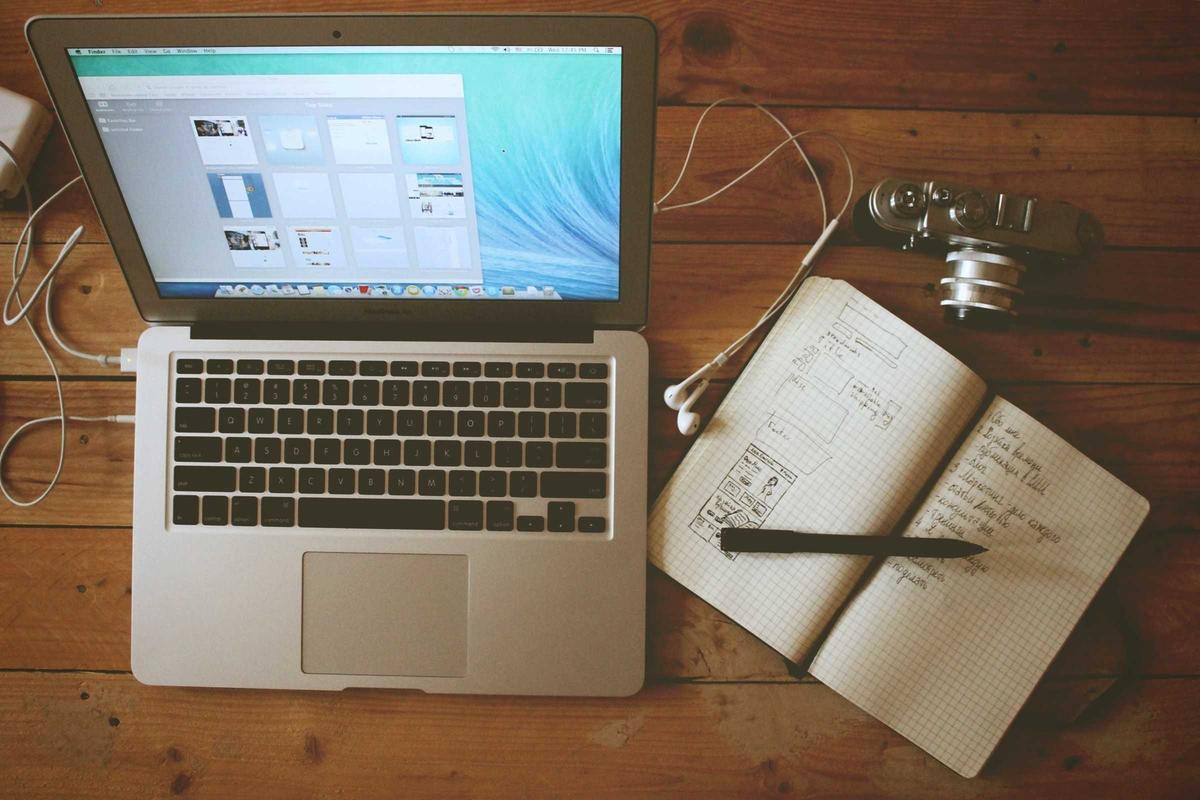
It was a Tuesday morning in a semi-detached house in Surbiton when Sarah realised she could no longer see the surface of her kitchen table. Magazines, unopened bills, a half-finished jigsaw puzzle, and three mismatched mugs had claimed it as their own. She is not alone. The British home-organisation industry, once a niche of Marie Kondo-esque zealots, has swelled into a mainstream obsession. But experts say we are making the same mistakes over and over. Here are four, distilled from the latest research and a conversation with a woman who has walked into more wardrobes than a Narnia tour guide.
First, the mistake of sentimental hoarding. Clutter therapist Alice Bowe notes that we keep items for the wrong reasons. 'People hold onto a broken vase because it belonged to their grandmother,' she says, 'but what they really want is the memory. The vase just becomes a guilt-inducing dust trap.' The solution is a simple one: photograph the item, then let it go. The memory stays, the clutter goes.
Second, the 'flat surface problem'. British homes are infamous for the 'clutter landing strip' - the hallway table, the kitchen counter, the living room floor. These are not storage, they are staging grounds for procrastination. The rule is: every flat surface must be clear at the end of the day. If it takes less than two minutes to put away, do it now.
Third, the 'container conundrum'. We buy baskets, boxes, and trays, but we use them as catch-alls for random items. The result is organised chaos. Instead, use containers that force you to edit. A small tray for keys and wallet. A single box for chargers. When the container is full, you must remove something to add something. It is a quiet discipline of curation.
Fourth, the 'one in, one out' myth. Experts warn that this rule is broken because we rarely enforce the 'out' part. We buy a new jumper, but the old one stays in the wardrobe 'just in case'. A stricter approach is the 'one in, two out' rule for a month. Or better: when you buy something new, immediately discard two similar items. It shifts the emotional cost and forces a re-evaluation.
The real cost of clutter is not just visual chaos. It is mental. A study from Princeton University found that visual clutter competes for our attention, reducing focus and increasing stress. For families, clutter has a class dimension: a cluttered home can be a source of shame, a sign of being 'not in control'. The rise of home-organisation influencers on Instagram has only heightened this anxiety, creating a new benchmark for domestic perfection.
But there is a cultural shift occurring. The pandemic taught us that our homes matter. We now see our spaces as extensions of ourselves. The decluttering experts are not just selling order; they are selling calm, control, and a kind of moral cleanliness. The irony is that the pursuit of a clutter-free life can itself become a source of clutter. The shelves of self-help books, the apps, the specialised bins. It is a paradox.
Perhaps the most telling mistake is the belief that decluttering is a one-time event. It is not. It is a practice, a daily negotiation with our possessions. Sarah eventually cleared her table. It took three hours and a skip hire. But a week later, a new pile had formed. This is the human condition: we gather, we discard, we gather again. The experts know this. The rest of us are just trying to see the table.