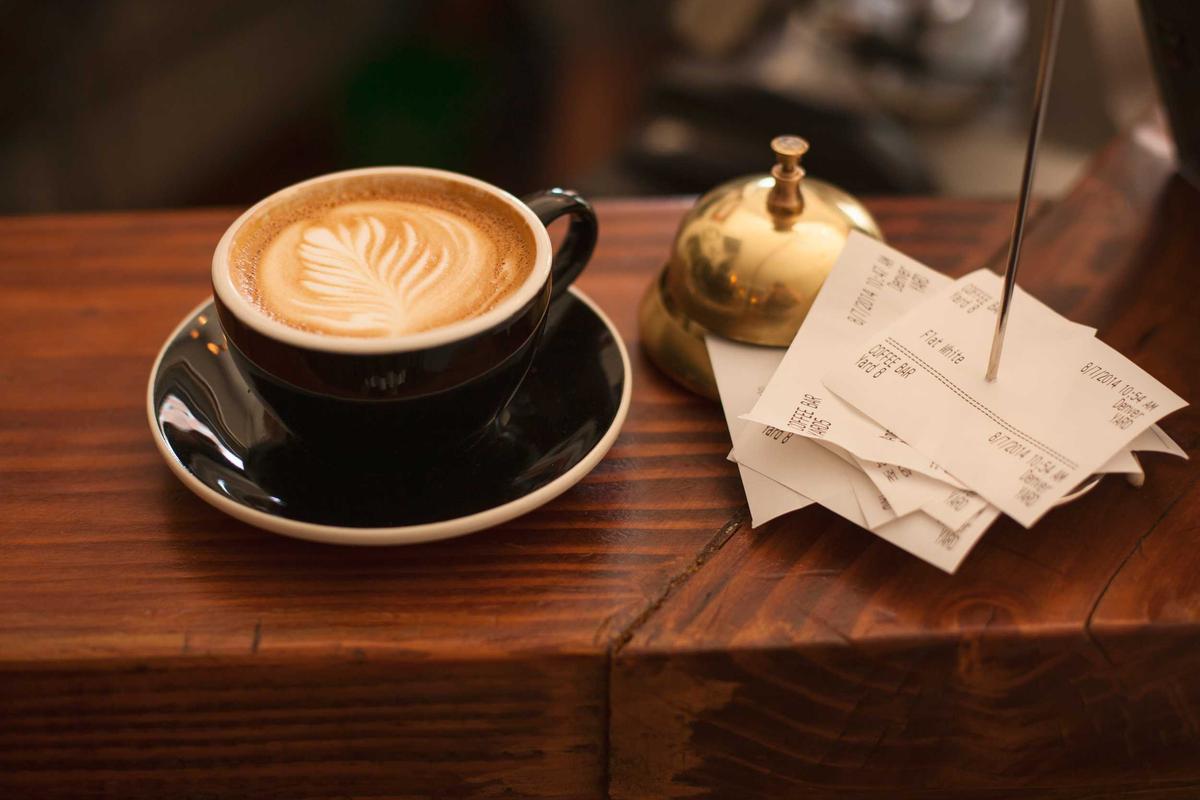
In a development that has sent shockwaves through the bowels of the British music industry (and caused several A&R men to choke on their artisan flat whites), Taylor Swift is reportedly considering tying the knot at Madison Square Garden. The venue, which has hosted everything from Knicks losses to the occasional decent concert, now faces its most monumental challenge yet: surviving a guest list that would make the UN General Assembly look like a village fete.
Sources close to the situation (a busker outside the Garden who claims to have seen a suspiciously large order of confetti) whisper that the ceremony could be a high-octane mashup of a royal wedding and a Super Bowl halftime show. Think corgis in sequins, a choir of backup dancers, and a ring bearer who moonwalks. The groom, rumoured to be a man with a jawline sharp enough to cut glass, has reportedly been practicing his vows to the tune of "Love Story" on repeat. Adorable. Or deeply concerning. Possibly both.
Meanwhile, across the pond, Her Majesty's music industry is in a state of controlled hysteria. The British Phonographic Industry has already set up a dedicated "Swift Emergency Taskforce" to handle the expected deluge of royalties. A flustered executive was overheard muttering, "If she sneezes at the altar, we'll see a 12% spike in streaming numbers for 'Shake It Off'." The economic ramifications are staggering: estate agents in Knightsbridge are reportedly offering champagne and gold-plated headphones to lure Swifties seeking a taste of the UK property market. One can only assume they accept friendship bracelets as deposit.
But let us not forget the cultural implications. A Swift wedding at Madison Square Garden is the sort of event that defies traditional classification. It is a corporate takeover disguised as romance, a masterclass in brand synergy that would make even the most cynical ad executive weep into their expense account. Every moment will be curated, every tear shed for a specific demographic. The bride's dress will likely be a collaboration between Vera Wang and a team of NASA engineers, designed to withstand the sheer wattage of the flashbulbs.
I telephoned a former colleague at The Guardian, now a stringer for a music trade rag, who described the mood in London as "a mixture of terror and greed." "We're already seeing B-sides from 2006 climbing the charts," he slurred, his voice thick with gin and existential dread. "If she so much as mentions a new version of 'Teardrops on My Guitar' during the vows, the entire British singles chart will need to be recalibrated."
And what of the guests? A who's who of planetary pop royalty will descend upon the Garden, each armed with a plus-one and a shopping list for the after-party. Security will be tighter than a miser's purse strings, with a rumoured no-fly zone over Manhattan for any drone attempting to capture an unsuspecting shot of the couple sharing a kiss over a seven-tiered cake shaped like a vinyl record.
In the end, this wedding is a mirror held up to our own gilded, celebrity-obsessed era. It is a love story, yes, but one written by a committee of marketing executives and performed for a global audience of billions. And as the UK music industry braces for the fiscal tsunami, one can only wonder: will the happy couple's first dance be synced to a TikTok filter? Will the bouquet toss be sponsored by a major streaming platform? And most importantly, will there be enough gin to get this journalist through the coverage?
Stay tuned, dear readers. The marriage of music and commerce has never looked so... inevitable.