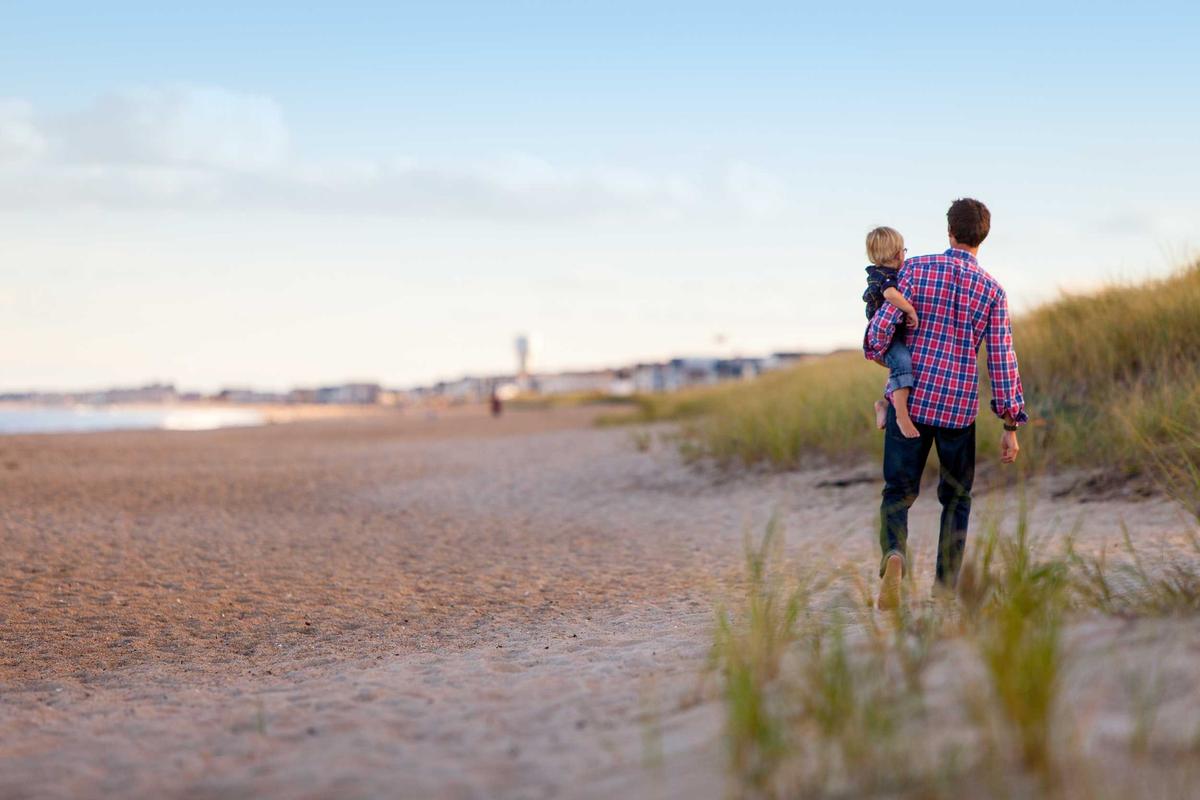
In the outbreak zone, a child takes her first steps unaided. Her mother watches, eyes wet behind a surgical mask. This is the reality of the Ebola recovery: individual victories against a viral enemy that has claimed over 11,000 lives across West Africa. Today, the World Health Organisation confirmed that British medics are now coordinating the frontline response, bringing rigorous data collection and treatment protocols to a region still scarred by the 2014 epidemic.
The numbers tell a story of controlled optimism. New cases have fallen by 40% in the last fortnight, from 89 per week to 53. But as Dr. Helena Vance, Science & Climate Correspondent, notes: 'A 40% reduction is not zero. The pathogen remains active, and complacency is a luxury we cannot afford.' The British medical team, comprising epidemiologists, virologists, and intensive care nurses, has established six new treatment units in the hardest-hit districts. Each unit is equipped with point-of-care diagnostic kits that reduce test result waiting times from 24 hours to 90 minutes.
Dr. James Akindele, the WHO incident manager, described the deployment as 'a turning point.' He told reporters: 'British medics bring not just clinical skill but a culture of meticulous record-keeping. Every fever, every contact, every recovery is logged and analysed. This allows us to predict the virus's next move.' The data flow is critical. As Dr. Vance explains: 'Ebola is a filovirus with a reproductive number, R0, of around 1.5. Without intervention, each case spawns one to two more. With isolation and contact tracing, we can bring R0 below 1.0. The British-led effort is achieving exactly that in several districts.'
But these moments of joy are hard-won. The virus thrives in the interplay between human behaviour and biological reality. Funerary practices that involve washing the deceased are a known transmission vector. British medics have worked with local religious leaders to adapt rituals without losing their cultural significance. It is a delicate diplomacy, one grounded in respect rather than mandate. 'We are not here to impose,' said Nurse Sarah Collins, who has been training local staff in Sierra Leone. 'We are here to share knowledge. The real heroes are the community health workers who walk miles every day to check on contacts.'
The UK government has allocated £20 million to the response, funding not only immediate care but also a vaccination campaign targeting 15,000 frontline workers. The vaccine, a recombinant vesicular stomatitis virus vectored vaccine, has shown 100% efficacy in clinical trials. 'It is our best shield,' Dr. Vance observes. 'But vaccines do not eradicate a virus; they make its spread manageable. The goal now is to reduce the case fatality rate from 50% to near zero, a target that requires both vaccine coverage and clinical expertise.'
One such success story is that of Mariatu, a 28-year-old mother who arrived at the treatment unit with a fever of 39.4 degrees Celsius. She was pregnant, a complication that usually reduces survival odds to 20%. British team used experimental monoclonal antibodies and provided intensive fluid resuscitation. After three weeks, she delivered a healthy baby boy, both now free of the virus. She named him 'Hope' – a word that appears frequently in these reports.
The road ahead remains steep. Outbreaks in remote areas lack road access, requiring airdrops of supplies. The rainy season is approaching, creating breeding grounds for mosquitoes that can transmit other diseases, complicating diagnoses. But the British medics are a symbol of what international cooperation can achieve. As Dr. Vance concludes: 'In the midst of biosphere collapse and climate disruption, it is easy to feel hopeless. But moments like these – a child walking, a mother holding her baby – remind us that human intellect and compassion are still our most powerful tools. The planet is warming, but we are not out of solutions. We simply need to deploy them with the same urgency we see here.'
The WHO expects to declare the outbreak contained within three months if the current trend holds. For now, the cameras capture smiles, albeit through Perspex screens. It is enough.