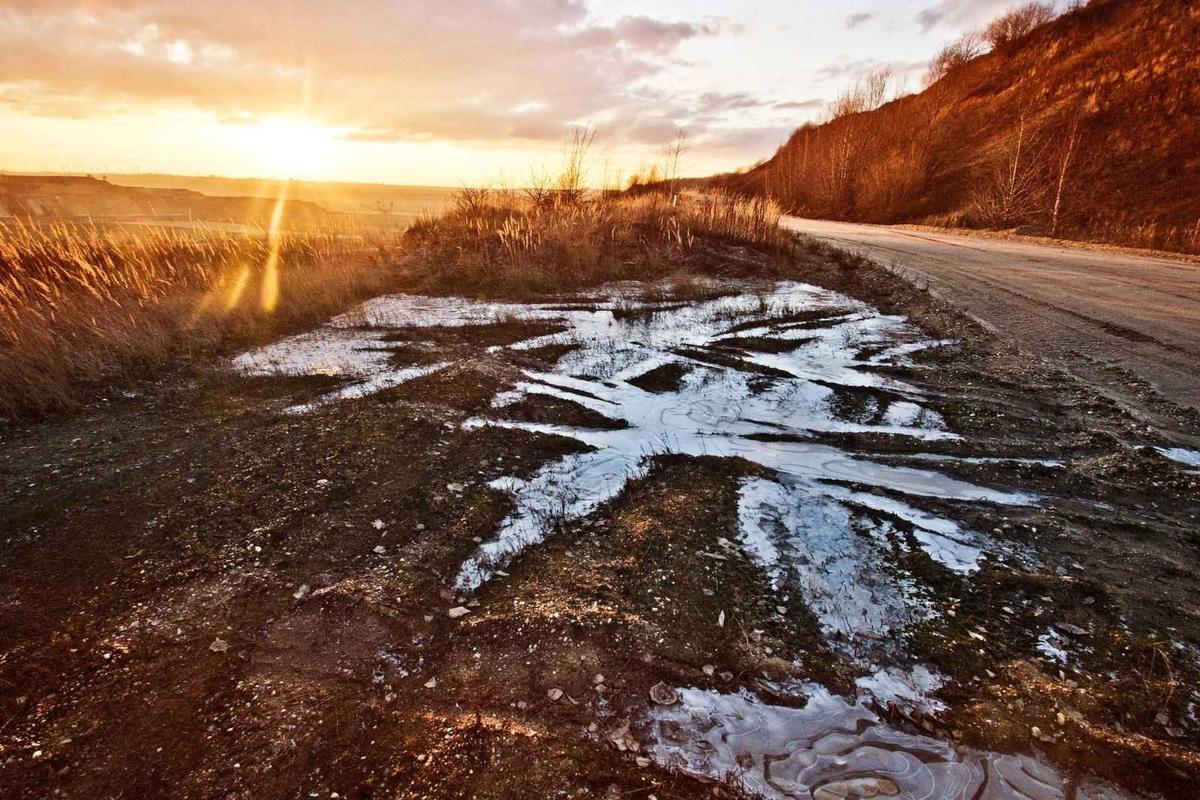
A heatwave of unprecedented intensity is gripping Europe, with temperatures in Germany and France surpassing 45°C, forcing the cancellation of outdoor events and straining the continent’s energy infrastructure. The UK, already reeling from its own record-breaking heat, now faces a potential energy supply crisis as European power markets buckle under the strain.
The meteorological driver is a stationary high-pressure system, colloquially termed a heat dome, which has locked in place over central Europe. This is not a natural fluctuation. The underlying physics is clear: anthropogenic climate change has shifted the baseline, making such extremes more probable by a factor of at least five, according to rapid attribution studies by the World Weather Attribution network. The atmosphere holds roughly 7% more moisture per degree Celsius of warming, amplifying the humidity component and making the physiological stress even more severe.
In Germany, the government has ordered a halt to all major outdoor gatherings, including several music festivals and sporting events, citing the risk of heatstroke and cardiovascular failure. The German Weather Service has issued red alerts for 10 of its 16 states. The impact on energy is immediate. Solar generation is temporarily high, but thermal power plants, particularly nuclear and coal, are being forced to curtail output because cooling water temperatures in rivers exceed legal limits for thermal discharge. This is not a design flaw; it is a hard physical limit. When river water is too warm, it cannot absorb waste heat without violating ecological standards. France has already face similar shutoffs at multiple nuclear plants, reducing its export capacity.
For the UK, the threat is indirect but real. Britain imports roughly 5-10% of its electricity via interconnectors from France, Belgium, and the Netherlands. With continental generation constrained, these flows are at risk of reduction. National Grid ESO has stated that it is monitoring the situation, but contingency plans include firing up coal-fired units at Drax and Ratcliffe-on-Soar. This is an irony not lost on climate scientists: using fossil reserves to compensate for a crisis caused by fossil fuel emissions.
The broader picture concerns energy system resilience. A modern grid is a tightly coupled network; a failure in one node propagates. The heatwave shows that our critical infrastructure was designed for a climate that no longer exists. Without rapid retrofitting, hardened transmission lines and enhanced cooling systems, these events will become annual disruptions.
What can be done in the immediate term? Demand-side management is the most effective tool. The UK government should issue a public advisory to reduce non-essential electricity use between 4pm and 9pm, when solar generation fades and air conditioning loads peak. But this is a palliative. The systemic fix requires storage, grid interconnection, and a diversified mix of generation that can operate under high temperatures, such as offshore wind, which typically performs well during heatwaves due to increased thermal gradients.
This is not a temporary anomaly. This is the new normal. The climate system is responding to forcing with a lag; the 1.2°C of warming we have already committed will still manifest. Every increment matters. Every record broken is a signal that we are failing to decarbonise fast enough. The heatwave is not an act of God. It is a predictable outcome of our collective choices. The only question left is how many wake-up calls we need before we act with the urgency that physics demands.