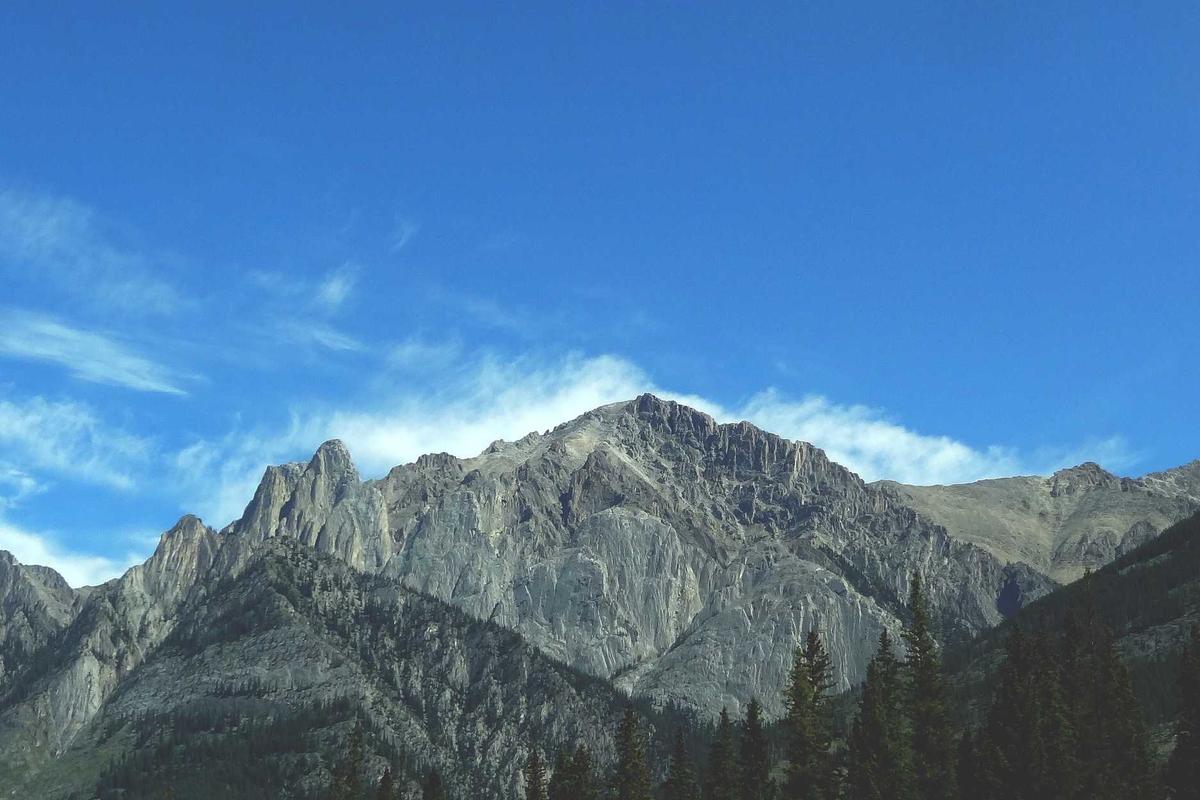
Mount Everest, the world’s highest peak, has once again become a theatre of human endurance and regulatory debate. Yesterday, a British guide survived a harrowing fall into a crevasse near the South Col, a story of improbable rescue that has refocused attention on the safety standards governing commercial expeditions. The guide, identified as 34-year-old James Alford from Cumbria, slipped while fixing ropes at an altitude of approximately 7,900 metres.
He fell an estimated 20 metres, landing on an ice ledge that prevented a terminal descent into the darkness below. His climbing partner, a Sherpa named Tashi Dorjee, spent over an hour extracting him using a pulley system improvised from spare carabiners and webbing. Alford sustained a fractured wrist and severe frostbite to two fingers but is expected to recover.
His survival, described by rescuers as “miraculous,” is now the subject of intense scrutiny within the mountaineering community. The accident has reignited questions about the adequacy of safety protocols on Everest, where commercial operators this year alone have issued permits to over 600 climbers, a near-record number. For context, the mountain’s “death zone” above 8,000 metres sees atmospheric oxygen levels at one-third of sea level.
Human cognition degrades rapidly. In such conditions, a minor error in rope placement or judgment can cascade into a disaster. The British Mountaineering Council (BMC) has faced growing pressure to update its guidelines for high-altitude expeditions.
Current recommendations focus on physical preparation and acclimatisation, but critics argue they lack enforceable standards for emergency response equipment and communication systems. For example, many expeditions still rely on satellite phones with limited battery life, rather than modern satellite messenger devices that provide real-time location data. The problem is compounded by the sheer number of inexperienced climbers attempting the peak.
A 2023 study in the Journal of Travel Medicine found that 40% of Everest summitteers had less than two years of high-altitude experience. The Nepalese government, which issues climbing permits, has been reluctant to impose stricter quotas, citing economic benefits. Tourism accounts for over 8% of Nepal’s GDP, and Everest alone generates hundreds of millions of dollars annually from permit fees, guides, and logistics.
However, the human cost is mounting. Since 2000, over 300 climbers have died on the mountain, with 12 fatalities this season as of last week. The ecological toll is also significant.
The concept of “calm urgency” is central to understanding how we must respond to these compounding risks. We cannot afford paralysis or denial. The question is not whether to climb, but how to climb with greater responsibility.
Several concrete measures could be implemented. First, mandatory use of satellite communication devices with SOS capabilities. Second, a requirement for expedition leaders to have advanced wilderness first responder training.
Third, a centralised database of guide certifications and incident reports, allowing climbers to make informed choices. These steps would not eliminate risk, but they would reduce the probability of fatalities. The case of James Alford is a stark reminder that the margin between life and death on Everest is acutely thin.
The mountain does not care about preparation or bravery. The only variable we can control is the quality of our safety systems. The British mountaineering community now faces a critical choice: accept a system that relies on individual heroism and luck, or build one that anticipates failure and responds systematically.
The path forward is data-driven and transparent. Anything less is a disservice to those who seek the summit and to those who save them when the mountain takes.