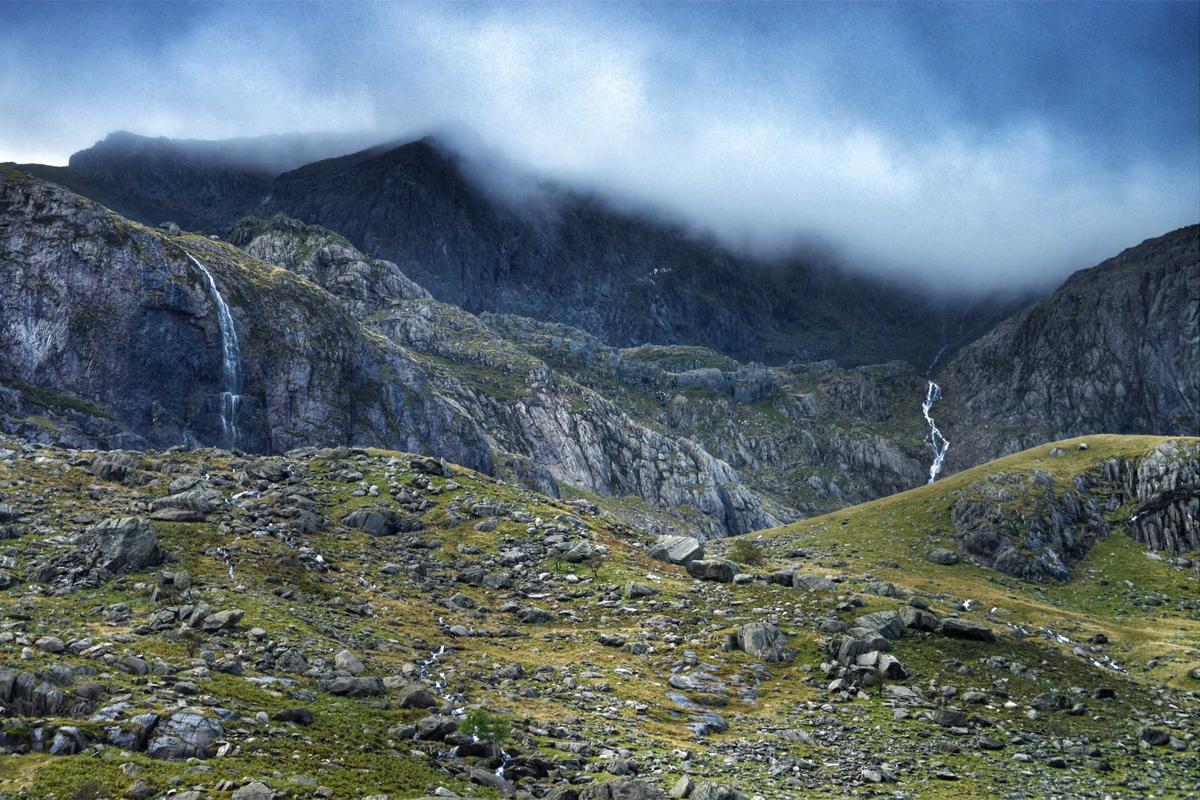
The climbing world is reeling. A Sherpa guide, swept into a crevasse on Everest’s treacherous Khumbu Icefall, has emerged alive after 18 hours. But the real story is the chaos behind the rescue. It raises a troubling question: are we running a mountaineering industry or a game of chance?
The guide, 32-year-old Pasang Dorjee, was fixing ropes when the ice bridge collapsed. His team heard nothing for hours. No emergency beacon. No satellite phone signal. Just the sound of wind and falling seracs. He survived by wedging himself between ice blocks. Hypothermic, frostbitten, but breathing.
His rescue came too slowly. Delays in mobilising helicopters, confusion over who pays for what, and a frantic scramble for oxygen tanks. This is not an isolated incident. It is a symptom of a system buckling under commercial pressure.
Nepal issued over 400 climbing permits this season. Each one costing $11,000. That is a lot of money. But where does it go? Infrastructure? Safety protocols? Medical support? The Khumbu Icefall is a death trap. Yet every year, guides are sent up with minimal gear and insurance. "It's a lottery," a former expedition leader told me. "You pray the ice holds."
The government talks about regulation. But talk is cheap. The tourism board is more interested in selling permits than enforcing standards. The climbing agencies, they are not much better. They cut corners to keep prices low. Guides are treated as disposable. They are the backbone of the industry, but they get the least protection.
Today's miracle is tomorrow's tragedy waiting to happen. The questions are blunt. Why are there no mandatory GPS trackers? Why is helicopter rescue not pre-funded? Why are guides paid a fraction of the permit cost?
The answers are uncomfortable. They point to greed and negligence. The Everest industry is a gold rush. And Pasang Dorjee is a lucky man. But luck is not a strategy. The next guide might not be so fortunate.
Whitehall takes note of this. The Foreign Office has flagged the lack of oversight in adventure tourism. They are worried about British climbers too. The parallels with other unregulated sectors are clear. From scaffolding to deep-sea fishing, the pattern repeats. Profit before safety.
The Prime Minister's office is quiet for now. But the chatter in the lobby is growing. Backbenchers are drafting letters. Select committees are sharpening their knives. This story has legs. It is not just about Everest. It is about how we treat the workers who risk their lives for our holidays.
I am Eleanor Rigby, Political Bureau Chief, on the ground in Nepal. The air is thin. The stakes are high.