In a discovery that sounds like the plot of a lost Arthur Conan Doyle story, a dinosaur bone from Antarctica has been identified in a drawer at the Natural History Museum in London. The specimen, a fragment of a femur from a sauropodomorph dinosaur, was collected over a century ago during the Heroic Age of Antarctic Exploration. It lay unnoticed until a team of palaeontologists from the University of Cambridge and the museum itself re-examined the collections.
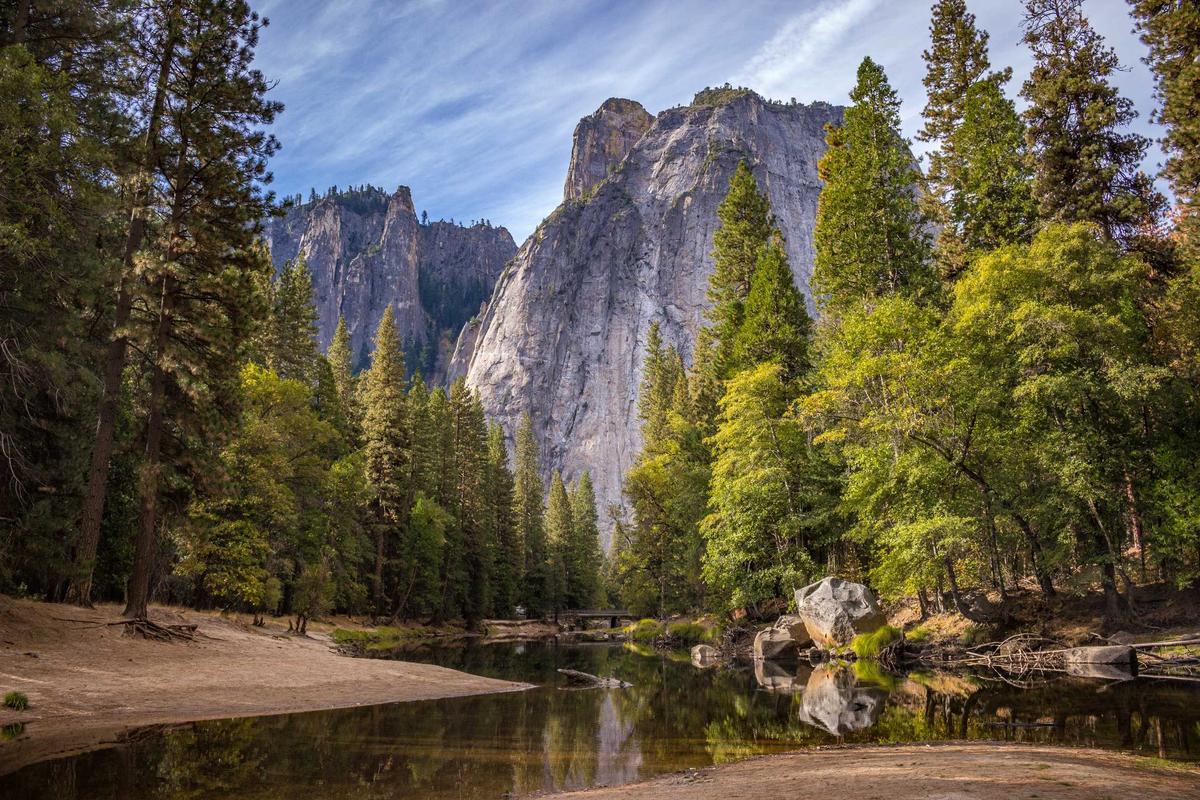
The bone is the first dinosaur fossil ever confirmed from Antarctica to be held in a British institution. It offers a rare glimpse into a continent that was once a lush forested land, before the great deep freeze that began around 34 million years ago. The specimen dates from the Early Jurassic, roughly 190 million years ago, when Antarctica lay closer to the equator and was part of the supercontinent Gondwana.
Dr Susannah Maidment, a palaeontologist at the museum, explained the significance. 'This is not just a museum curiosity. It is a scientific treasure. It confirms that early sauropodomorphs, the ancestors of the giant long-necked dinosaurs, roamed across what is now Antarctica. It fills a gap in our understanding of dinosaur distribution and migration patterns.'
The bone was originally collected by the British Antarctic Expedition led by Robert Falcon Scott, though it was not identified as dinosaur then. It was catalogued as 'fossil wood' and stored away. Only through persistent detective work was it correctly identified.
This discovery is a reminder of the importance of museum collections. Often considered dusty archives, they are in reality repositories of potential. Each drawer holds clues to Earth's deep past, waiting for new techniques and fresh eyes. The Antarctic continent remains largely unexplored palaeontologically due to its ice cover, but such finds suggest a rich fossil history beneath the ice.
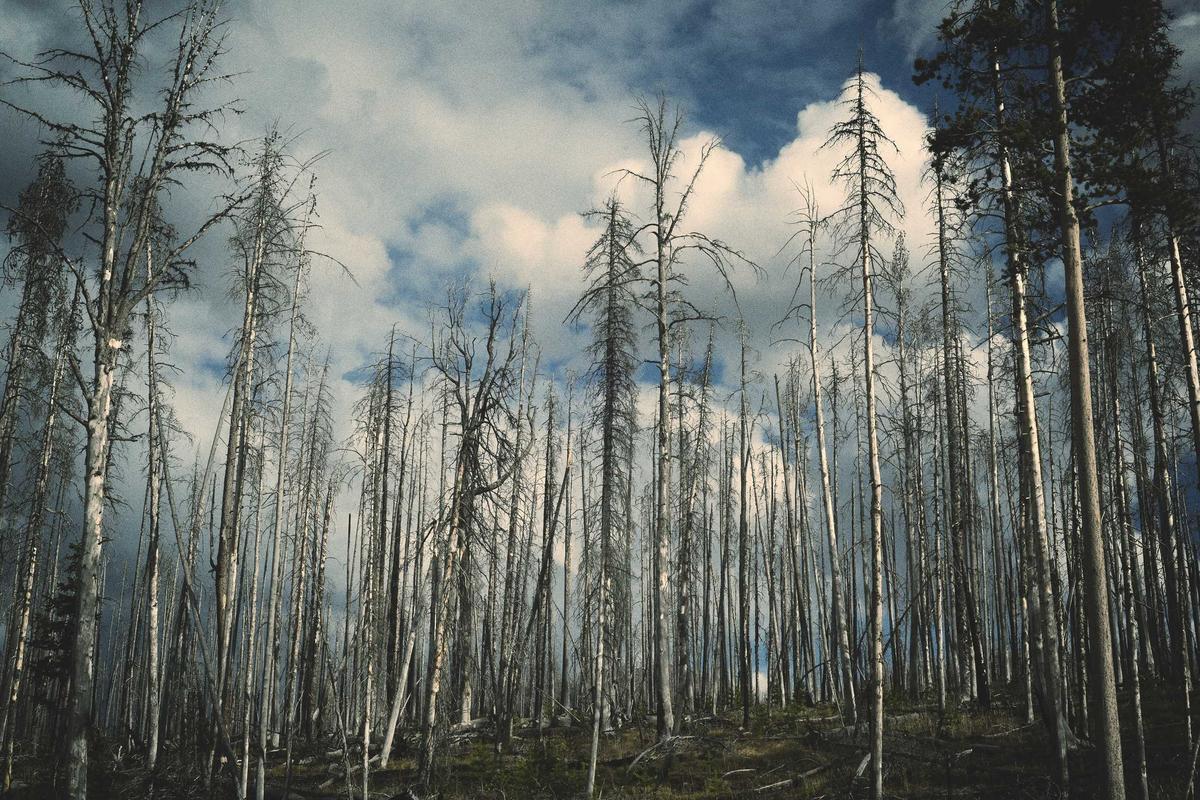
The implications for climate science are also profound. This was a time of high atmospheric carbon dioxide levels and warm global temperatures. The existence of dinosaurs in Antarctica tells us that the continent was once ice-free and teeming with life. Understanding these ancient climates helps calibrate models for our current warming world.
Dr Helena Vance, Science & Climate Correspondent, adds: 'The past is a foreign country, but its weather patterns are becoming increasingly relevant. Each fossil from Antarctica is a data point in a pressing planetary puzzle. We are living in a period of rapid change, not unlike the transitions that shaped the Mesozoic. The difference is that we now hold the lever.'
The discovery is a triumph for British science and a testament to the value of long-term curation. It also underscores the urgency of preserving our natural history collections. In a world of shrinking budgets, these repositories of knowledge are our best record of biodiversity and climate change.
The bone will go on public display later this year, allowing visitors to see a piece of a world that no longer exists. For now, it remains in its drawer, a silent storyteller of a vanished continent.