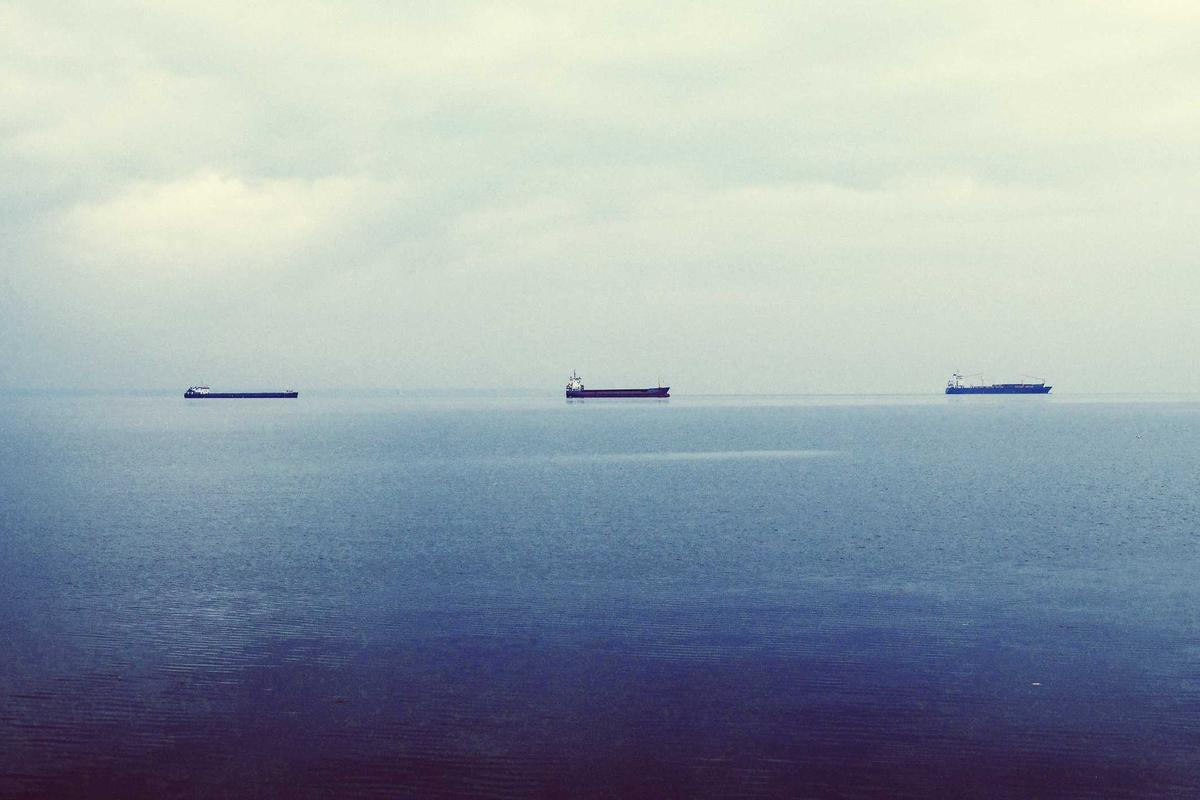
The world’s most critical energy artery is under threat once again. Iran, emboldened by its nuclear brinkmanship and regional proxies, has escalated its rhetoric over the Strait of Hormuz. This narrow chokepoint, through which 20% of the world’s oil flows, is now a geopolitical tightrope. The Royal Navy has responded, deploying warships to secure passage. But this is not just about oil. It is about the fragile algorithm of global stability.
For those unfamiliar with the geography: the Strait of Hormuz is a 21-mile-wide corridor between Iran and Oman. Any disruption here reverberates through every petrol station, supply chain, and inflation index on the planet. Iran’s Revolutionary Guard has hinted at blockades, using fast-attack craft and mines. The Royal Navy, alongside allied navies, is now running a real-time game of deterrent chess. Destroyers like HMS Duncan have been repositioned, their radars scanning for speedboats that swarm like malicious code.
Let’s dissect the technology of this standoff. Iran’s asymmetric tactics are akin to a DDoS attack on a physical network. Small drones, guided by GPS spoofing, can harass massive tankers. Underwater gliders, low-cost and autonomous, could seed mines without human operators. The Royal Navy’s countermeasure: a layered digital defence. Electronic warfare suites that jam frequencies. Machine learning algorithms that predict swarm patterns. This is cyber-physical conflict at its most primal.
The user experience of society here is haunting. If Hormuz closes, the price of Brent crude doesn’t just spike; it fractalizes. A London commuter paying £1.50 per litre of petrol feels the tremor. But the deeper impact is on digital trust. When a state weaponises a trade route, every global system that relies on just-in-time delivery breaks. Think about the cloud: data centres need diesel generators running on oil. It’s a recursive loop.
I worry about the Black Mirror implications. What if Iran uses AI to optimise mining patterns? What if NATO’s autonomous patrol drones misidentify a civilian vessel? The human cost of algorithm failure in a strait like this could be catastrophic. We’re not in a Hollywood war film; we’re in a slow-motion system crash.
Behind the scenes, diplomatic channels are buzzing. The UK is pushing for a digital sovereignty agreement in the Gulf, a code of conduct for naval AI. But Iran’s calculus is different. They see the strait as leverage, a kill switch in their economic asymmetry. The Royal Navy’s presence is a firmware update for deterrence, but firmware can be bypassed.
For the common person, this is about resilience. Emergency fuel reserves, backup supply chains, and more localised energy production. The metaverse won’t run on electrons alone; it needs hydrocarbons to power the servers. This Strait crisis is a reminder that our digital future is still tethered to physical geography.
As the ships patrol and the threats fly, the world watches a live stress test of global governance. Will the algorithm of diplomacy hold? Or will we see the first blue-on-red kinetic exchange in a decade? The user experience of this generation is defined by these cascading uncertainties. The Royal Navy stands ready, but the code of war is being rewritten in real time.