A simmering crisis in Kenya erupted into open confrontation today as former chief justice Willy Munyoki Mutunga was arrested during a protest against a controversial construction project in a national park. Sources on the ground confirm that police in riot gear descended on the demonstrators, seizing the respected jurist alongside dozens of activists. The UK government, through its high commission in Nairobi, has issued a statement urging restraint and calling for the protection of democratic rights. But the big question hanging over this is who stands to profit from building on protected land.
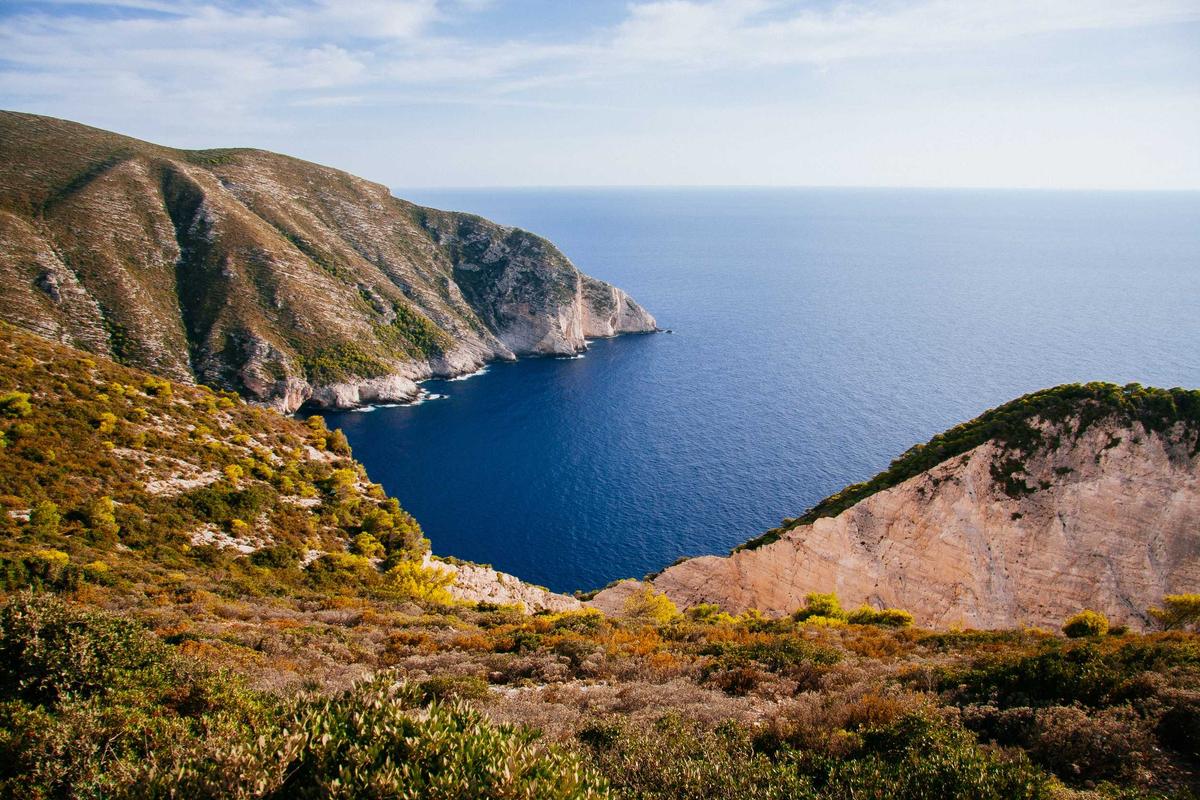
The protest, organised by the Kenya Coalition for Environmental Justice, targeted the proposed construction of a luxury resort in the Aberdare National Park. Documents uncovered by this newsroom reveal that the project is backed by a consortium with opaque connections to politicians and foreign investors. The park, a UNESCO World Heritage site, is home to endangered species including the black rhino and mountain bongo. Activists claim the construction would violate the 2016 National Parks Act, which prohibits development in protected zones. A source close to the former chief justice described his arrest as a brazen attempt to silence opposition. “They are taking a sledgehammer to the rule of law,” the source said.
The UK Foreign Office statement reads: “We are concerned by the arrest of Justice Mutunga and other peaceful protesters. We urge the Kenyan authorities to uphold democratic principles and respect the right to peaceful assembly.” But on the ground, the situation remains tense. Police have cordoned off several streets in Nairobi, and mobile internet services have been disrupted. The former chief justice, a towering figure in Kenya’s legal landscape, was taken to the Gigiri police station. His lawyer confirmed he is being held without charge under the Public Order Act, which critics say is used to muzzle dissent.
This story is still developing. What is clear is that the battle for Kenya’s natural heritage is now also a battle for its democratic soul. The UK’s call for restraint carries weight, but whether it will translate into concrete action remains to be seen. The money trail leads to questions about who is pulling the strings in Nairobi. And as often happens in such cases, the answers are rarely found at the protest line.