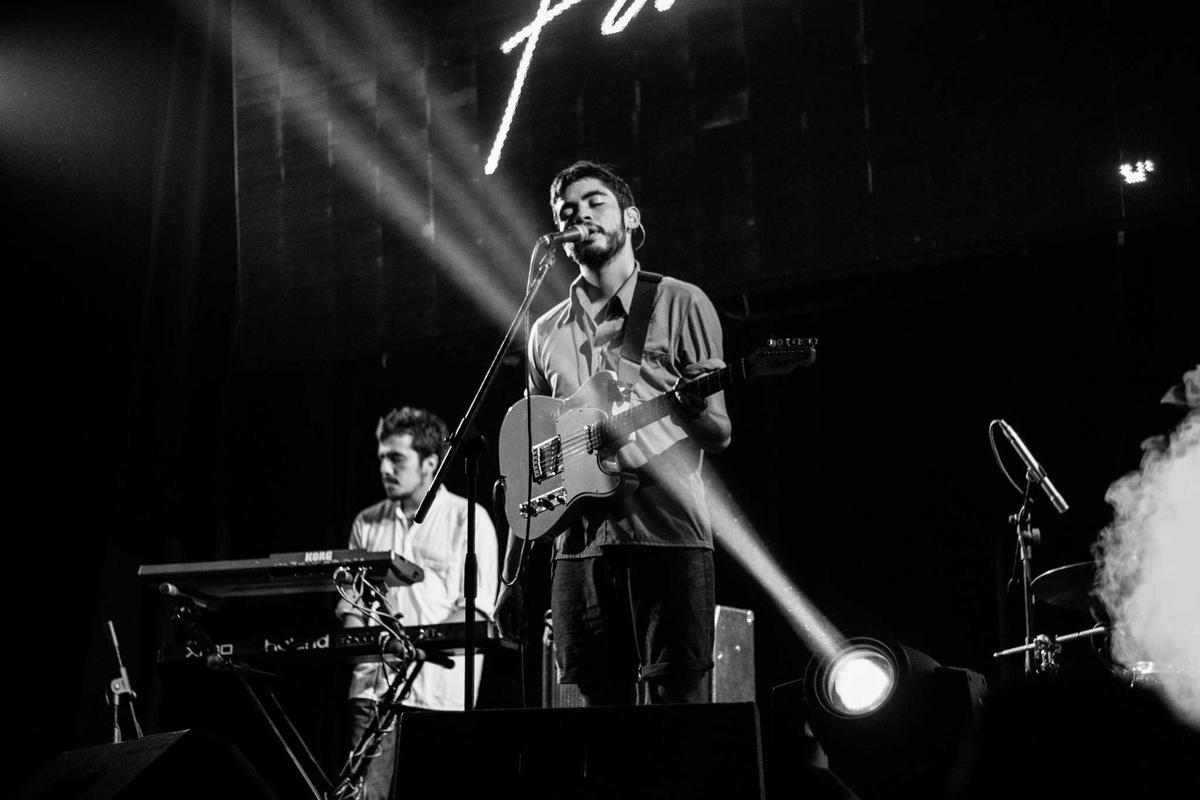
San Juan, Puerto Rico. A reggaeton track titled "Patria"
has become an unlikely flashpoint in the island’s ongoing struggle for identity. The song, a collaboration between local artists Bad Bunny and iLe, went viral on social media platforms this week, amassing over 50 million streams globally. Its lyrics evoke a nostalgia for Puerto Rico’s pre-colonial landscape, referencing the Taíno people and lamenting the loss of natural resources to American and European interests.
The reaction on the ground has been intense. In the coastal town of Loíza, groups gathered to dance and sing, while others in San Juan’s financial district expressed unease about the song’s nativist undertones. The track’s success offers a case study in soft power dynamics, particularly British soft power, which has historically leveraged cultural exports to shape perceptions.
The United Kingdom’s own colonial legacy in the Caribbean, though less direct than that of the United States or Spain, remains a factor in how such art is received. The BBC World Service, for instance, has featured the song in its music programmes, framing it as a testament to Puerto Rican resilience. This editorial choice reflects a broader strategy: using cultural artefacts to maintain influence in regions where political leverage is contested.
The track’s reception also highlights the limits of soft power. While the song may foster solidarity among Puerto Ricans, it does little to address the structural inequities that drive migration and economic hardship. The island’s debt crisis, exacerbated by Hurricane Maria and the COVID-19 pandemic, remains unresolved.
For British policymakers, the lesson is clear: cultural engagement must be paired with tangible support. As one local commentator put it, “We appreciate the spotlight, but we need more than a song.