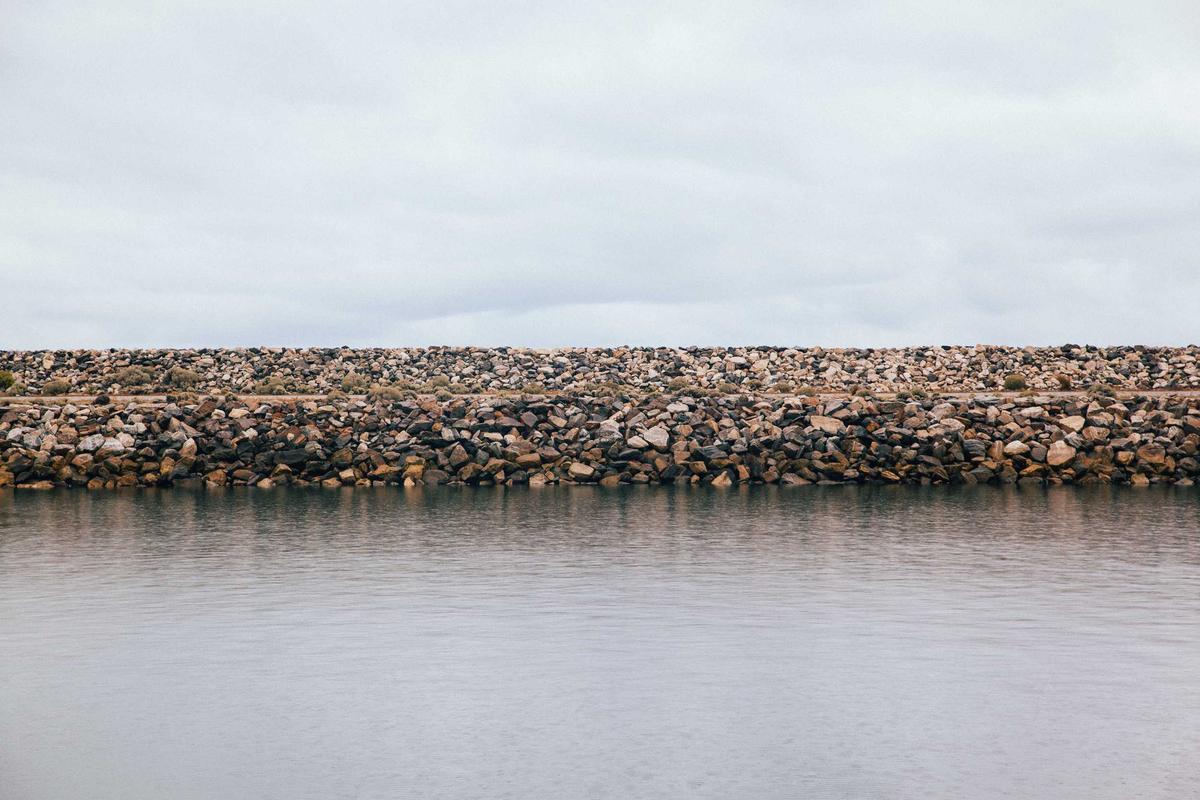
The frozen shores of the Kakhovka Reservoir have become a tableau of horror. As spring thaw sets in, bodies are emerging from the reeds. In the lakeside city of Nova Kakhovka, currently under Russian occupation, a resident identified only as Oksana told reporters: 'They shot my neighbour in the head. For hoarding potatoes.' The Foreign Office in London today issued a formal condemnation of 'war crimes' in the region, citing satellite imagery and intercepted communications. Dr. Helena Vance, Science & Climate Correspondent, reports.
From a physical reality standpoint, the Kakhovka Reservoir is not merely a backdrop. It is a critical piece of infrastructure. The dam, which holds back 18 cubic kilometers of water, powers the Zaporizhzhia nuclear plant and irrigates 500,000 hectares of farmland. When Russian forces seized the dam in February, they gained control over a weapon more potent than artillery. Deliberately flooding the Dnipro floodplain could drown thousands, while a release could cause a nuclear meltdown.
This is the context for the atrocity. The UK’s condemnation, while symbolically important, has no enforcement mechanism. The International Criminal Court is already investigating, but its warrant for Vladimir Putin’s arrest has not deterred the shelling of civilians. There is a cold calculus here: each 152 mm shell that lands in a residential block reduces Ukraine’s ability to export grain. Each death from starvation or hypothermia is a data point in the energy transition’s failure to decouple from geopolitics.
Let me be precise. The shooting of Oksana’s neighbour is not an isolated incident. It is a symptom of a breakdown in the rule of law that allows for the systematic targeting of civilians. The British government’s condemnation is correct, but it is like a weather forecast: accurate, yet powerless to change the storm. What we need is a technological solution, a means to enforce accountability. But the satellites that see the crimes lack the jurisdiction to stop them.
The Zaporizhzhia nuclear plant remains in a state of 'calm urgency'. Its operators survive on generator power and the knowledge that a meltdown would render the Black Sea uninhabitable. This is the biosphere collapse I have written about: a slow, incremental strangulation of ecosystems. The war accelerates it.
Oksana does not care about the energy transition. She cares about the body in the reeds. But we must care about both. The world’s response to Nova Kakhovka will set a precedent for how we handle the climate conflicts to come. We cannot afford to fail. The data is clear: violence begets environmental degradation begets more violence. The UK’s condemnation is a first step. But without action, it is just noise.